
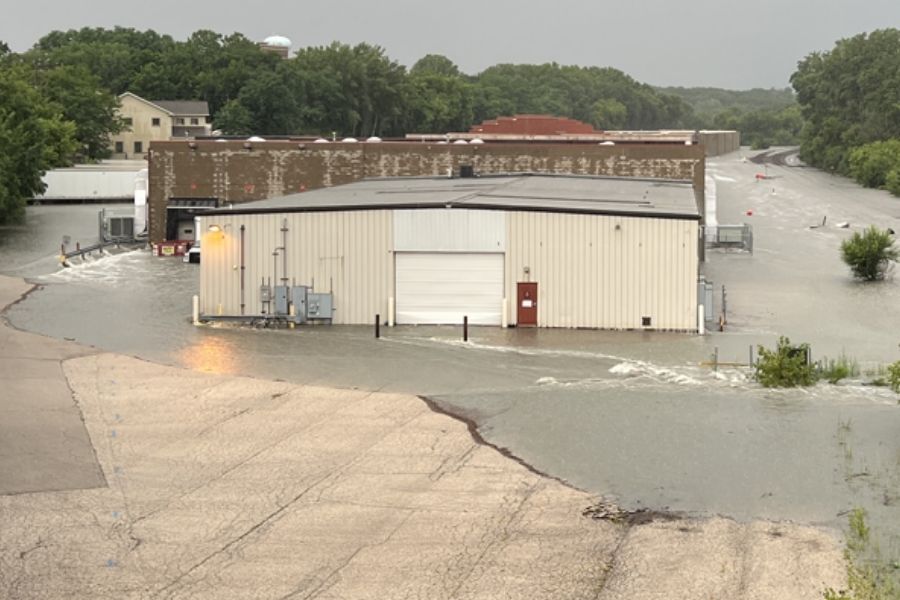
Milwaukee Repertory Theater Reels From Devastating Flood Damage
Table of Contents
- Milwaukee Repertory Theater Reels From Devastating Flood Damage
- Milwaukee Repertory Theater Navigates Flood damage, Secures Production of Come From Away
- Milwaukee Repertory Theater Navigates Flood Damage, Secures production of Come From Away
- Milwaukee Repertory Theater Navigates Flood Damage, Secures Future Productions
- Milwaukee Repertory Theater Navigates Flood Damage, Secures Production of Come From Away
- Milwaukee Repertory Theater Navigates Flood Damage, Secures Production of Come From Away
- Milwaukee Repertory Theater Navigates Flood Damage, Secures Production of Come From Away
- Milwaukee Repertory Theater Navigates Flood Damage, Secures Production of Come From Away
- Milwaukee Repertory Theater Navigates Flood Damage, Secures Future Productions
- Milwaukee repertory Theater Navigates Flood Damage,Secures future Productions
Milwaukee, WI – Wisconsin’s largest theater, Milwaukee Repertory Theater, is grappling with losses estimated between $6 million and $8 million after unprecedented flooding ravaged its newly constructed production facility in Wauwatosa on August 10, 2025. The disaster strikes as the Rep prepares for the grand unveiling of its renovated downtown Associated Bank Theater Center in October.
A State-of-the-Art Facility Submerged
The 30,000-square-foot production center, completed recently to address growing production demands, was inundated when the Menominee River swelled from under two feet to over 14 feet in just six hours. More than 14 inches of rainfall-shattering previous records-fueled the “1,000-year flood event.”
The deluge resulted in a total loss of the majority of the facility’s contents, including over 75,000 props, costumes, and set pieces. Thousands of pieces of essential equipment-sound, lighting, rigging, welding, automation, projection, and paint-were also destroyed, along with vehicles, musical instruments, and archival materials. Even the set for the theater’s upcoming production of A Christmas Carol was lost.
Unprecedented Flooding Impacts Theater Operations
The recent flooding, described by Milwaukee Repertory Theater Producing Artistic Director Mark Clements as unprecedented, has prompted a request for federal assistance from Wisconsin Governor Tony Evers. Governor Evers requested assistance from the Federal Emergency management Agency (FEMA), while Senator Tammy Baldwin, Congressman Bryan Steil, and other members of the Wisconsin Congressional delegation have written to Homeland Security Secretary Kristi Noem requesting expedited Joint Preliminary Damage Assessment (PDA) to support statewide recovery.
“The impact is well beyond city, county, or state resources to handle,” stated Milwaukee Mayor cavalier Johnson. Clements reported that after a week assessing the damage,the scene “looks very much like a hurricane.” He recalled contacting Dean Gladden, the managing director at the Alley Theatre during its 2017 flood, who oversaw the recovery from a loss of approximately 83,000 items during Hurricane Harvey.
The unexpected nature of the flooding-not linked to a named storm-contributed to the surprise. “At least with a hurricane, it’s named, and you can prepare,” Clements explained. “We’re not used to having 1,000-year floods in Milwaukee.” The site’s previous owner, with 35 years of experience, had never witnessed water approaching the facility.Clements emphasized the growing need for preparedness in light of climate change, stating, “We have to be more attuned to natural disasters in places where they don’t usually happen.”
Did You Know? The term “100-year flood” doesn’t mean a flood only happens once every 100 years. It refers to a flood event that has a 1% chance of occurring in any given year, according to the Federal Emergency Management Agency (FEMA) ([FEMA Flood Risk Guide](https://www.fema.gov/flood-maps/tools-resources/understanding-flood-risk)).
Resilience and Recovery Efforts
Unlike the Alley Theatre, Milwaukee Repertory Theater’s downtown venue remained unaffected by the floodwaters. The venue is on track to open on October 31 with It’s a Splendid Life: A Radio Play, followed shortly by Come From Away.
“Our theatre is right on the Milwaukee River, which crested at all-time highs as well but didn’t flood,” Clements marveled. He anticipates that the themes of community and resilience in Come From Away will resonate deeply with audiences given the recent events.
| Event | Date | Details |
|---|---|---|
| severe Flooding | August 2023 | Impacted Milwaukee Repertory Theater production facilities. |
| Governor Evers’ Request | August 2023 | Requested FEMA assistance for flood-affected areas. |
| Congressional Delegation Request | August 2023 | Urged expedited Joint Preliminary Damage Assessment (PDA). |
| It’s a Wonderful Life: A Radio Play Premiere | October 31, 2023 | Scheduled opening of Milwaukee Repertory Theater’s downtown venue. |
| Come From Away Premiere | November 2023 | Scheduled production following the venue’s reopening. |
Pro Tip: Supporting local arts organizations during times of crisis is a strategic investment in community resilience and cultural vitality.
Daniella Ignacio contributed reporting to this story.
Long-term Implications of Increased Flooding
The Milwaukee flooding underscores a growing national trend of extreme weather events linked to climate change. According to the Fourth National Climate Assessment, the frequency and intensity of heavy precipitation events have been increasing across the United States ([National Climate Assessment](https://www.globalchange.gov/nca4)). This poses significant risks to infrastructure, cultural institutions, and communities nationwide.The Milwaukee Repertory Theater’s experience serves as a case study for other organizations to proactively assess their vulnerability and develop comprehensive disaster preparedness plans.
The incident also highlights the importance of public-private partnerships in disaster recovery. The collaboration between the theater, local government, and federal agencies demonstrates a coordinated approach to addressing the challenges posed by extreme weather events. Moreover, the theater’s decision to engage a commercial construction firm underscores the need for specialized expertise in mitigating damage and restoring operations quickly.
Frequently Asked Questions
- What caused the flooding in Milwaukee? the flooding was caused by unusually heavy rainfall,exceeding historical levels and overwhelming drainage systems.
- Is the Milwaukee Repertory Theater accepting donations? Yes, the theater is accepting donations to support its recovery efforts.
- Will the November production of Come From Away be affected? The theater is working diligently to ensure the production proceeds as scheduled.
- What is a Joint Preliminary damage Assessment (PDA)? A PDA is a process conducted by FEMA and state officials to assess the extent of damage caused by a disaster and determine eligibility for federal assistance.
- How is climate change impacting flood risk? Climate change is increasing the frequency and intensity of heavy precipitation events, leading to a higher risk of flooding.
We hope this article provided valuable insight into the challenges and resilience of the Milwaukee Repertory Theater. Do you think more arts organizations should prioritize disaster preparedness planning? What role do you believe the federal government should play in supporting cultural institutions impacted by natural disasters?
Please share this article with your network and join the conversation in the comments below. Consider subscribing to our newsletter for more breaking news and insightful analysis.
donations to aid in recovery efforts.
Extent of the Damage and Production Continuity
The recent flooding, described by Milwaukee Rep Producing Artistic Director Mark Clements as unprecedented, caused considerable damage to the theater’s facilities. Despite the setback, the Rep is steadfast to move forward with its season. The company is collaborating with a commercial outfit to expedite repairs and ensure the November production remains on track.
“The impact is well beyond city, county, or state resources to handle,” said Milwaukee Mayor Cavalier Johnson, echoing the sentiment of theater officials. After a week assessing the damage, Johnson reported the scene “looks very much like a hurricane.” He recalled consulting with Dean Gladden, former managing director of the Alley Theatre in Houston, who oversaw recovery from a similar flood event in 2017, where the theater lost approximately 83,000 items (American Theatre,2017).
The unusual nature of the flooding-occurring without a named storm or hurricane-contributed to the surprise. Bauman noted that the site’s previous owner of 35 years had never witnessed water approaching the facility. He emphasized the increasing frequency of extreme weather events due to climate change, stating, “We have to be more attuned to natural disasters in places where they don’t usually happen.”
Did You Know? the Alley Theatre in Houston lost an estimated 83,000 items during Hurricane Harvey in 2017, highlighting the potential devastation floods can inflict on performing arts institutions.
Federal and State Assistance Requests
As of today, the federal government has not declared the affected area a disaster zone. Wisconsin Governor Tony Evers has requested assistance from the Federal Emergency Management Agency (FEMA). furthermore, Senator Tammy Baldwin, Congressman Bryan Steil, and other members of the Wisconsin Congressional delegation have written to Homeland security Secretary Kristi noem requesting expedited action on a Joint Preliminary Damage Assessment (PDA) to support statewide recovery.
The PDA is a critical step in securing federal disaster relief. According to FEMA guidelines,a PDA assesses the scope and impact of damage to determine eligibility for various assistance programs (FEMA, 2023).
Downtown Venue Remains untouched, Upcoming Productions
Fortunately, Milwaukee Rep’s downtown venue was unaffected by the flooding. The theater is on schedule to unveil the renovated space on October 31 with a production of It’s a Wonderful Life: A Radio Play, followed shortly by Come From Away. The themes of community resilience in Come From Away are expected to resonate deeply with audiences in light of the recent events.
Pro Tip: Supporting local arts organizations during times of crisis is a powerful way to contribute to community recovery and ensure continued access to cultural experiences.
| Event | Date | Details |
|---|---|---|
| Historic flooding | August 2023 | Significant damage to Milwaukee Rep production facilities. |
| FEMA Assistance Request | August 2023 | Governor Evers requests federal aid for flood-affected areas. |
| Downtown Venue Unveiling | October 31, 2023 | Premiere of It’s a Wonderful Life: A Radio play. |
| Come From Away Production | November 2023 | scheduled performance following the venue unveiling. |
What steps can community members take to support the Milwaukee Repertory Theater’s recovery?
How will the experience of this flood influence future disaster preparedness strategies for arts organizations in the region?
Daniella ignacio contributed reporting to this story.
The Milwaukee Repertory Theater’s experience underscores a growing trend of climate-related disasters impacting cultural institutions nationwide. Increasingly frequent and severe weather events pose a significant threat to the preservation of artistic heritage and the continuity of performing arts organizations. Strategic planning, investment in resilient infrastructure, and community support are crucial for mitigating these risks. the theater industry is actively exploring best practices for disaster preparedness, including risk assessments, emergency response plans, and insurance coverage tailored to the unique needs of cultural assets.
Frequently Asked Questions About the Milwaukee Rep Flood
- What caused the flooding at the Milwaukee Repertory Theater? The flooding was caused by unusually heavy rainfall, resulting in a “1,000-year flood” event.
- Is the Milwaukee Rep accepting donations? Yes, the theater is accepting donations to support its recovery efforts.
- Will the November production of Come From Away be affected? The Rep is working diligently to ensure the production proceeds as scheduled.
- What is a Joint Preliminary Damage Assessment (PDA)? A PDA is a critical step in securing federal disaster relief, assessing the extent of damage and eligibility for assistance.
- How can I help the Milwaukee Rep? You can donate to the theater, share data about its recovery efforts, and attend future performances.
We hope this article provided valuable insight into the challenges and resilience of the Milwaukee Repertory Theater. We encourage you to share this story with your network and consider supporting the Rep as they navigate this difficult time. your engagement and support are greatly appreciated!
Milwaukee, WI – The Milwaukee Repertory Theater is actively addressing significant flood damage sustained at its production facility, threatening the November premiere of come From Away. The theater is collaborating with a commercial construction firm to ensure the production remains on schedule despite the setback. The company is currently accepting donations to aid in recovery efforts.
unprecedented Flooding Impacts Theater Operations
the recent flooding, described by Milwaukee’s Department of Public Works Commissioner Karen Bass as exceeding a “1,000-year flood” event, caught the city by surprise. Unlike predictable hurricanes, this event lacked a formal warning system, leaving the theater unprepared for the scale of the damage. according to the National Oceanic and Atmospheric Administration (NOAA), a 100-year flood has a 1% chance of occurring in any given year, making a 1,000-year flood exceptionally rare (NOAA Flood Information).
Milwaukee Repertory Theater’s Managing Director Chad Bauman likened the damage to that experienced by Houston’s Alley Theatre during Hurricane Harvey in 2017, where approximately 83,000 items were lost. Bauman reported the damage at the flooded site “looks very much like a hurricane.”
Did You Know? the term “100-year flood” doesn’t mean a flood will only happen once every 100 years; it refers to the probability of a flood of that magnitude occurring in any given year.
Federal and State Assistance Requests
Wisconsin Governor Tony Evers has requested assistance from the Federal Emergency Management Agency (FEMA). Senator Tammy Baldwin, Congressman bryan Steil, and other members of the Wisconsin Congressional delegation have also written to Homeland Security Secretary Kristi Noem requesting expedited joint Preliminary Damage Assessment (PDA) to support statewide recovery.
“The impact is well beyond city, county, or state resources to handle,” stated Commissioner Bauman.
| Date | Event |
|---|---|
| August 2017 | Hurricane harvey floods Houston’s alley Theatre. |
| Recent | Historic flooding impacts Milwaukee Repertory Theater production facility. |
| October 31 | Milwaukee Rep’s downtown venue reopens with It’s a Wonderful Life: A Radio Play. |
| November | Come From Away scheduled to premiere. |
Downtown Venue Remains Unaffected
Fortunately, Milwaukee Rep’s downtown venue, situated along the milwaukee River, was spared from the flooding despite record-high water levels. The theater is on track to reopen on October 31 with a production of It’s a Wonderful Life: A Radio Play, followed shortly by Come From Away.
Pro Tip: Supporting local arts organizations during times of crisis is a strategic way to ensure the continuation of cultural experiences within the community.
Bauman noted the poignant timing, stating that the stories of community resilience in Come From Away will resonate with audiences in a new and powerful way. The play, based on the true story of Gander, Newfoundland, hosting stranded passengers after the 9/11 attacks, highlights the strength of human connection in the face of adversity.
What role do the arts play in community healing after a disaster? How can theaters adapt to increasingly frequent extreme weather events?
Daniella Ignacio contributed reporting to this story.
Long-Term Implications and Climate Change
The flooding in Milwaukee underscores a growing trend of extreme weather events impacting cultural institutions nationwide. According to a 2021 report by the American Alliance of Museums,climate change poses a significant threat to museum collections and infrastructure,requiring proactive adaptation strategies (American Alliance of Museums Climate Change Resources). The Milwaukee Repertory Theater’s experience highlights the need for theaters and other arts organizations to assess their vulnerability to climate-related risks and invest in mitigation measures, such as floodproofing and improved drainage systems. This incident also raises questions about insurance coverage for such events and the potential for public-private partnerships to support disaster preparedness and recovery.
Frequently Asked Questions
- What is the current status of the Milwaukee Repertory Theater’s productions? The downtown venue is unaffected and will reopen on October 31. Come From Away is still scheduled for November, with production secured through a commercial outfit.
- Has the area been declared a federal disaster zone? Not yet. Governor Evers has requested FEMA assistance, and a Joint Preliminary Damage Assessment is underway.
- How can I support the milwaukee Repertory Theater? Donations are being accepted through their website: https://tickets.milwaukeerep.com/donate/contribute1.
- What kind of damage did the flooding cause? The production facility sustained significant damage, comparable to that experienced by the Alley Theatre in Houston during Hurricane Harvey.
- Is climate change a factor in these types of floods? Yes, climate change is contributing to more frequent and intense extreme weather events, including floods, even in areas not historically prone to them.
We hope this article provided valuable insight into the challenges and resilience of the Milwaukee Repertory Theater. If you found this information helpful, please share it with your network and consider subscribing for more updates on arts and culture news. We welcome your thoughts and comments below!
Unprecedented Flooding Impacts Theater Operations
The recent flooding,described by Milwaukee Repertory Theater Producing Artistic Director Mark Clements as unprecedented,has forced the company to seek external support to rebuild and prepare for its upcoming season. The extent of the damage is substantial, with estimates reaching tens of thousands of pieces of lost equipment and materials.
Meanwhile, the federal government has not yet declared the flood zone a disaster area. Wisconsin Governor Tony Evers has requested assistance from the Federal Emergency Management Agency (FEMA) for the affected region. Senator Tammy Baldwin, Congressman Bryan Steil, and other members of the Wisconsin congressional delegation have also written to Homeland Security Secretary Kristi noem requesting expedited Joint Preliminary damage Assessments (PDA) to support statewide recovery.
“The impact is well beyond city,county,or state resources to handle,” stated Milwaukee Common Council President Cavalier Johnson,who reported that the damage “looks very much like a hurricane” after a week at the flooded site. He further noted, ”One of the first people I called when this happened was dean Gladden, who was managing director at the Alley Theatre when they had a massive flood situation-they lost something like 83,000 pieces.”
The unexpected nature of the flooding-not linked to a major storm or hurricane-contributed to the surprise and severity of the impact.
Did You Know?
Unlike hurricanes, which provide advance warning, this “1,000-year flood” in Milwaukee caught the community off guard. According to the united States Geological Survey, a 100-year flood has a 1% chance of occurring in any given year, meaning a 1,000-year flood has a 0.1% chance (USGS Flood Information).Clements explained that even the site’s previous owner, after 35 years, had never witnessed water approaching the facility. He emphasized the growing need for preparedness in the face of climate change, stating, “We have to be more attuned to natural disasters in places where they don’t usually happen.”
resilience and Recovery Efforts
Despite the challenges, Milwaukee Repertory Theater’s downtown venue remains unaffected and is on track for its October 31st unveiling with It’s a Wonderful Life: A Radio Play. The subsequent production of Come From Away is also expected to proceed as planned.
“Our theatre is right on the Milwaukee River, which crested at all-time highs as well but didn’t flood,” Clements marveled. He believes the themes of community and resilience in Come From Away will resonate deeply with audiences considering recent events.
The theater is actively working with a commercial construction company to expedite repairs and rebuild damaged areas.
Pro Tip:
When facing disaster recovery, prioritizing essential infrastructure and securing professional assistance can substantially accelerate the rebuilding process.| Event | Date | Details |
|---|---|---|
| Historic Flooding | August 2023 | Severe flooding impacts Milwaukee Repertory Theater production facilities. |
| FEMA Assistance Request | august 2023 | Governor Evers requests FEMA assistance for the affected region. |
| Congressional Delegation request | August 2023 | wisconsin Congressional delegation requests expedited damage assessment. |
| It’s a Wonderful Life Opening | October 31, 2023 | Milwaukee Repertory Theater’s downtown venue reopens with a radio play. |
| come From Away Opening | November 2023 | Production scheduled to open following the unveiling of the downtown venue. |
What steps can communities take to better prepare for unexpected natural disasters? How can the arts sector play a role in fostering resilience during times of crisis?
Daniella Ignacio contributed reporting to this story.
Long-Term Implications and Climate Resilience
The flooding in Milwaukee underscores a growing trend of extreme weather events linked to climate change. According to the Fourth National Climate Assessment, the frequency and intensity of heavy precipitation events are increasing across the United States (National Climate Assessment). This poses significant risks to infrastructure, communities, and cultural institutions like the Milwaukee repertory Theater.
The theater’s experience highlights the importance of proactive risk assessment, infrastructure improvements, and community preparedness. Investing in flood mitigation measures, such as elevating critical equipment and improving drainage systems, can definitely help minimize future damage. Furthermore, fostering collaboration between government agencies, non-profit organizations, and the private sector is crucial for effective disaster response and recovery.
Frequently Asked Questions
- What is the current status of the Milwaukee Repertory Theater? The downtown venue is unaffected and scheduled to reopen, while recovery efforts are underway at the impacted production facilities.
- How can I support the Milwaukee Repertory Theater? Donations are being accepted through their website to aid in recovery efforts.
- What caused the flooding in Milwaukee? The flooding was caused by unusually heavy rainfall, described as a “1,000-year flood” event.
- Is the production of Come From Away still happening? Yes, the theater is working to ensure the November production remains on schedule.
- What is FEMA’s role in the recovery process? Governor Evers has requested FEMA assistance, which could provide financial aid and resources for rebuilding.
We hope this article provided valuable insight into the challenges and resilience of the Milwaukee Repertory Theater. If you found this information helpful, please share it with your network and consider supporting the theater’s recovery efforts. We also welcome your comments and feedback!
donations as it continues its recovery efforts.
Unprecedented Flooding Impacts Theater Operations
The recent flooding, described by Milwaukee Rep Producing Artistic Director Mark Clements as unprecedented, caused significant damage to the theater’s production facilities. While the downtown venue remains untouched and is slated to open October 31 with It’s a Wonderful Life: A Radio Play, the extent of the damage at the other site prompted a swift response to safeguard the upcoming Come From Away production.
Wisconsin Governor Tony Evers has requested assistance from the Federal Emergency Management Agency (FEMA) for the affected region.Senator Tammy Baldwin, Congressman Bryan Steil, and other members of the Wisconsin Congressional delegation have also written to Homeland Security Secretary Kristi Noem requesting expedited joint Preliminary damage Assessment (PDA) to support statewide recovery.
As of today, the federal government has not declared the flood zone a disaster area.
Damage assessment and Recovery Efforts
According to Milwaukee Alderman robert Bauman, the impact of the flooding “is well beyond city, county, or state resources to handle.” He described the damage after a week at the flooded site as “looking very much like a hurricane.” Bauman recounted contacting Dean Gladden, the former managing director at the Alley Theatre in Houston, who oversaw recovery from a similar flood event in 2017. The Alley Theatre lost approximately 83,000 pieces during Hurricane Harvey.
Bauman emphasized the unexpected nature of the flooding, stating, “At least with a hurricane, it’s named, and you can prepare. we’re not used to having 1,000-year floods in Milwaukee.” He noted that the site’s previous owner of 35 years had never witnessed water approaching the facility. He added, “With climate impacts these days, more and more bizarre events like this are happening. We have to be more attuned to natural disasters in places where they don’t usually happen.”
Did you Know? The term “100-year flood” doesn’t mean a flood only happens once every 100 years. It refers to a flood that has a 1% chance of occurring in any given year,according to the Federal Emergency Management Agency (FEMA).
Milwaukee Rep’s Resilience
A key difference between the Wisconsin flooding and the damage from Hurricane Harvey is that Milwaukee Rep’s downtown venue was spared. The Milwaukee River crested at record highs but did not inundate the theater. The October 31 reopening with It’s a Wonderful Life: A Radio Play, followed by Come From Away, will offer audiences stories of community resilience with renewed meaning.
Pro Tip: supporting local arts organizations during times of crisis is a strategic investment in community recovery and cultural vitality.
Financial Impact and Support
The Milwaukee Repertory Theater is actively seeking financial support to cover the costs of repairs and ensure the continuation of its programming. Donations are being accepted through the theater’s website. The extent of the financial impact is still being assessed, but officials anticipate significant expenses related to facility restoration and replacement of damaged equipment.
| Event | Date | Details |
|---|---|---|
| Severe Flooding | August 2023 | Impacted Milwaukee Rep production facilities. |
| FEMA Assistance Request | August 2023 | Governor Evers requests federal aid. |
| Congressional Delegation Request | August 2023 | Sen. Baldwin, Rep. Steil, and others request expedited damage assessment. |
| It’s a Wonderful Life: A Radio Play Opening | October 31, 2023 | Downtown venue reopening. |
| Come From Away Opening | November 2023 | Production scheduled to proceed despite flooding. |
what steps can communities take to better prepare for unexpected extreme weather events? How can arts organizations build greater resilience in the face of climate change?
Daniella Ignacio contributed reporting to this story.
The Milwaukee Repertory Theater’s experience underscores a growing trend of climate-related disruptions impacting cultural institutions. According to a 2021 report by the American Alliance of Museums, nearly 40% of museums have experienced a disaster in the past five years,with climate change identified as a significant contributing factor. This necessitates proactive disaster preparedness planning, including risk assessments, mitigation strategies, and emergency response protocols. The theater’s decision to engage a commercial construction firm highlights the importance of specialized expertise in navigating complex recovery processes.
Frequently Asked Questions
- What is the current status of the Milwaukee Repertory Theater’s facilities? The downtown venue is unaffected and operational, while the production facilities sustained significant flood damage.
- Will the production of Come From Away be delayed? The theater is working diligently to maintain the november schedule and is currently on track.
- How can I support the Milwaukee Repertory Theater’s recovery efforts? donations are being accepted through the theater’s website: https://tickets.milwaukeerep.com/donate/contribute1.
- What caused the flooding in Milwaukee? The flooding was caused by unusually heavy rainfall, exceeding historical levels and overwhelming drainage systems.
- Is FEMA providing assistance to Milwaukee? Governor Evers has requested FEMA assistance, but a disaster declaration has not yet been issued.
- What lessons can other theaters learn from this situation? Proactive disaster preparedness planning, including risk assessments and mitigation strategies, is crucial.
We hope you found this article insightful. Please share it with your network and join the conversation in the comments below.Consider subscribing to our newsletter for more breaking news and in-depth analysis.
Extent of the Damage and Immediate Response
The recent flooding, described by milwaukee Repertory Theater Producing Artistic Director Mark Clements as resembling a hurricane, caused extensive damage to the theater’s facility.Clements reported the loss of approximately 83,000 pieces, drawing a parallel to the devastation experienced by the Alley Theatre in Houston during Hurricane Harvey in 2017 (American Theatre).The flooding was notably surprising due to its unprecedented nature, with the site’s previous owner of 35 years never having witnessed such high water levels.
Did you Know? The term ”100-year flood” doesn’t mean a flood is impossible within a century; it refers to a 1% chance of occurring in any given year, according to the Federal Emergency Management Agency (FEMA).
The Milwaukee Repertory Theater is currently accepting donations to aid in its recovery efforts. Fortunately, the theater’s downtown venue remains unaffected and is on track for its October 31st unveiling with It’s a Wonderful Life: A Radio Play, followed shortly by Come From Away.
Government Assistance and Recovery Efforts
As of today, the federal government has not declared the affected area a disaster zone. Wisconsin Governor Tony Evers has requested assistance from the Federal Emergency Management Agency (FEMA). Moreover, Senator Tammy Baldwin, Congressman Bryan Steil, and other members of the Wisconsin Congressional delegation have jointly written to homeland Security Secretary Kristi Noem requesting expedited action on a Joint Preliminary Damage Assessment (PDA) to support statewide recovery.
“The impact is well beyond city, county, or state resources to handle,” stated Alderman josé G. Pérez, emphasizing the scale of the devastation. The situation highlights the increasing need for preparedness in the face of climate change and unpredictable weather patterns.
Key Recovery Timeline
| Date | Event |
|---|---|
| Recent | Historic flooding impacts Milwaukee Repertory Theater production facility. |
| October 31 | Downtown venue reopens with It’s a Wonderful Life: A Radio play. |
| November | Come From Away scheduled to begin performances. |
| Ongoing | Donations accepted to support recovery efforts. |
Pro tip: Supporting local arts organizations through donations or attendance is a powerful way to contribute to community resilience and cultural vibrancy.
The resilience of the Milwaukee community is already evident,with the upcoming performances of Come From Away - a story about communities uniting in the face of adversity - taking on a new layer of meaning. what role do the arts play in community healing after a disaster?
The contrast between the Milwaukee Rep’s experience and that of the Alley Theatre following Hurricane Harvey is notable. While the Alley’s mainstage was flooded, Milwaukee Rep’s downtown venue remained dry, a testament to its location and construction. How can infrastructure planning mitigate the impact of future extreme weather events?
The increasing frequency of extreme weather events underscores the urgent need for climate adaptation strategies. The Milwaukee Repertory Theater’s experience serves as a case study for other arts organizations facing similar challenges. Investing in resilient infrastructure, developing emergency preparedness plans, and fostering community partnerships are crucial steps in safeguarding cultural institutions and ensuring their continued contribution to society. The National Endowment for the Arts offers resources and guidance on disaster preparedness for cultural organizations (National Endowment for the Arts).
Frequently Asked Questions
- What is the status of the Milwaukee repertory Theater’s November productions? The November production of Come From Away is still scheduled to proceed as planned.
- How can I support the Milwaukee Repertory Theater’s recovery? Donations are being accepted through the theater’s website: https://tickets.milwaukeerep.com/donate/contribute1.
- What caused the flooding in Milwaukee? The flooding was caused by unusually heavy rainfall, exceeding historical levels.
- Has a disaster declaration been issued? As of today, the federal government has not declared a disaster area.
- What is a Joint Preliminary damage Assessment (PDA)? A PDA is a process used to assess the extent of damage following a disaster, which is a crucial step in securing federal assistance.
We hope you found this article insightful.Please share it with your network, leave a comment below, or subscribe to our newsletter for more updates on arts and culture news.
donations to aid in recovery efforts.
Unprecedented Flooding Impacts Theater Operations
The recent flooding, described by Milwaukee Repertory Theater Producing Artistic Director Mark Clements as resembling a hurricane, caused extensive damage to the theater’s production facilities. The scale of the damage caught local officials by surprise, as the area is not typically prone to such extreme weather events. According to Clements, the flooding wasn’t tied to a major storm, making preparation difficult. “At least with a hurricane, it’s named, and you can prepare. We’re not used to having 1,000-year floods in Milwaukee,” he stated.
Did You Know? A “1,000-year flood” doesn’t mean the event only happens once every 1,000 years. It refers to a flood that has a 0.1% chance of occurring in any given year, according to the United States Geological Survey (USGS).
Clements reported that the damage “looks very much like a hurricane,” and estimates losses of around 83,000 pieces, drawing a parallel to the experience of the Alley Theatre in Houston during Hurricane harvey in 2017. He consulted with Dean Gladden, the Alley Theatre’s former managing director, for guidance.
Government Response and Federal Assistance
Wisconsin Governor Tony Evers has requested assistance from the Federal Emergency Management Agency (FEMA) to address the widespread damage. Senator Tammy Baldwin, congressman Bryan Steil, and other members of the Wisconsin Congressional delegation have also written to Homeland Security Secretary Kristi Noem requesting expedited Joint Preliminary Damage Assessment (PDA) to support recovery efforts across the state.
As of today, the federal government has not declared the flood zone a disaster area. Milwaukee Mayor Cavalier Johnson emphasized the severity of the situation, stating, “The impact is well beyond city, county, or state resources to handle.”
Resilience and Upcoming Productions
Despite the challenges, the Milwaukee repertory Theater’s downtown venue remains unaffected by the flooding and is on track for its October 31st unveiling with It’s a Wonderful Life: A Radio Play. the theater will soon follow with its production of Come From Away.
“Our theatre is right on the Milwaukee River, which crested at all-time highs as well but didn’t flood,” Bauman marveled. The themes of community and resilience in Come From Away are expected to resonate deeply with audiences in light of the recent events.
Pro Tip: Supporting local arts organizations during times of crisis is a strategic way to bolster community recovery and ensure continued access to cultural experiences.
| Event | Date | Details |
|---|---|---|
| Severe Flooding | August 2023 | Damaged Milwaukee Repertory Theater production facilities. |
| Governor Evers Requests FEMA Aid | August 2023 | Formal request for federal disaster assistance. |
| Congressional Delegation Request | August 2023 | Request for expedited damage assessment. |
| it’s a Wonderful Life: A radio Play Opens | October 31, 2023 | Milwaukee Repertory Theater’s downtown venue reopens. |
| Come from Away Opens | November 2023 | Production proceeds as scheduled despite flood damage. |
What steps can community members take to support the Milwaukee Repertory Theater’s recovery?
How will the theater adapt its production processes to mitigate future flood risks?
The Milwaukee Repertory Theater’s experience highlights the increasing vulnerability of cultural institutions to extreme weather events.Climate change is projected to increase the frequency and intensity of flooding in many regions, necessitating proactive adaptation measures.According to the Fourth National Climate Assessment, the Midwest is experiencing increases in heavy precipitation events, leading to more frequent and severe flooding (NCA4).This situation underscores the need for arts organizations to incorporate climate resilience into their long-term planning and risk management strategies. Investing in flood mitigation infrastructure, diversifying production facilities, and developing contingency plans are crucial steps to protect these vital community assets.
Frequently Asked Questions About the Milwaukee Repertory theater Flooding
- What caused the flooding at the Milwaukee Repertory Theater? The flooding was caused by unusually heavy rainfall and record-high water levels in the Milwaukee river.
- Is the Milwaukee Repertory Theater accepting donations? Yes, the theater is accepting donations to help cover the costs of recovery and repairs.
- Will the production of Come From away be affected? The theater is working to ensure the production proceeds as scheduled, utilizing a commercial partner for support.
- What is a Joint Preliminary Damage Assessment (PDA)? A PDA is a process conducted by FEMA and state/local officials to assess the extent of damage caused by a disaster and determine eligibility for federal assistance.
- How can I help the Milwaukee Repertory Theater? You can donate to the theater, volunteer your time, or spread the word about their recovery efforts.
We hope you found this article insightful. Please share it with your network, leave a comment below, or subscribe to our newsletter for more updates on this story and other crucial news.
Milwaukee, WI – The Milwaukee Repertory Theater is actively addressing significant flood damage sustained at its scenic production facility, threatening the timeline for its November production of Come from Away. The theater is accepting donations as it works to mitigate the impact and continue its recovery efforts.
Extent of the Damage and Production Impact
recent unprecedented flooding in Milwaukee caused substantial damage to the Rep’s facility, which houses sets, costumes, and props. The damage is so extensive that Managing Director Chad Bauman likened the scene to that of a hurricane. He recalled consulting with Dean Gladden, the former managing director of Houston’s Alley Theatre, who oversaw recovery from the devastating 2017 Hurricane Harvey floods, where the theater lost approximately 83,000 pieces.
Despite the damage to the production facility, the Milwaukee Rep’s downtown venue remains unaffected and is still scheduled to open on October 31 with a radio play adaptation of It’s a Wonderful Life, followed by Come From away shortly after. The theater is working with a commercial outfit to ensure the November production remains on schedule.
Did You Know? The Alley Theatre in Houston lost an estimated 83,000 pieces during Hurricane Harvey, highlighting the potential scale of damage from such events.
Seeking Disaster Relief and Government Assistance
Wisconsin Governor Tony Evers has requested assistance from the Federal Emergency Management Agency (FEMA) to address the widespread damage caused by the flooding requesting FEMA assistance. Senator Tammy Baldwin, Congressman Bryan Steil, and other members of the Wisconsin Congressional delegation have also written to Homeland Security Secretary Kristi Noem, urging expedited action on a joint Preliminary Damage Assessment (PDA) to support recovery efforts across the state requesting assistance.
As of today, the federal government has not declared the flood zone a disaster area. Bauman emphasized the scale of the impact, stating, “The impact is well beyond city, county, or state resources to handle.”
Unprecedented Flooding and Climate Change Considerations
The recent flooding was particularly surprising due to its lack of connection to a major storm or hurricane. Bauman noted that, unlike hurricanes which allow for preparation due to naming and tracking, this “1,000-year flood” in Milwaukee caught the community off guard. He shared that the site’s previous owner of 35 years had never witnessed water levels approaching the facility.
“With climate impacts these days, more and more bizarre events like this are happening. We have to be more attuned to natural disasters in places where they don’t usually happen,” bauman stated. This event underscores the growing need for preparedness in the face of increasingly unpredictable weather patterns, a concern echoed by climate scientists who have documented a rise in extreme weather events globally IPCC Special Report on Global Warming of 1.5°C.
Pro Tip: Regularly review and update your organization’s disaster preparedness plan, including insurance coverage and emergency contact information.
A Tale of Resilience: Comparing Milwaukee and Houston
While the Alley Theatre’s mainstage was flooded during Hurricane Harvey, Milwaukee Rep’s downtown venue was spared. This difference provides a glimmer of hope amidst the challenges. The upcoming productions, particularly Come From Away, which tells the story of a community rallying together in the face of adversity, are expected to resonate deeply with audiences.
What steps can other regional theaters take to prepare for unexpected natural disasters?
How will the community respond to the Rep’s fundraising efforts and support its recovery?
| Event | Date | Details |
|---|---|---|
| Historic Flooding in milwaukee | Recent | significant damage to Milwaukee Repertory Theater’s production facility. |
| Governor Evers Requests FEMA Assistance | ongoing | formal request submitted for federal disaster relief. |
| Milwaukee Rep Downtown Venue Opening | October 31 | Scheduled to open with it’s a Wonderful Life: A Radio Play. |
| Come From Away Production | November (Date TBD) | Currently scheduled, with efforts underway to maintain timeline. |
Long-Term Implications and Future Preparedness
The Milwaukee Repertory Theater’s experience highlights a growing trend of unexpected and severe weather events impacting cultural institutions. This event will likely spur increased conversations about infrastructure resilience, disaster preparedness planning, and the role of climate change in exacerbating these risks. The theater industry, and the broader cultural sector, will need to proactively address these challenges to ensure the long-term viability of their operations. Insurance coverage, emergency funding mechanisms, and collaborative resource sharing will become increasingly critical components of risk management strategies.
Frequently Asked Questions
- What is the current status of the Milwaukee Repertory Theater? the downtown venue is unaffected and scheduled to open, but the production facility sustained significant flood damage.
- How can I support the Milwaukee Repertory Theater’s recovery? Donations are being accepted through the theater’s website.
- What caused the flooding in Milwaukee? The flooding was caused by unusually heavy rainfall and was described as a “1,000-year flood.”
- Is federal disaster assistance available? Governor Evers has requested FEMA assistance, but a disaster declaration has not yet been issued.
- What is the impact on upcoming performances? The October 31st performance of it’s a Wonderful Life is still scheduled,and the theater is working to ensure Come From Away proceeds as planned.
We hope this article has provided valuable insight into the challenges and resilience of the Milwaukee Repertory Theater. We encourage you to share this story with your network, leave a comment with your thoughts, or subscribe to our newsletter for more updates on this developing situation and other critically important news.
Milwaukee,WI – The Milwaukee Repertory Theater is actively addressing substantial flood damage sustained at its scenic production facility,threatening the timeline for its November production of Come from Away. The theater is now collaborating with an external commercial operation to ensure the show remains on schedule, and is currently accepting donations to aid in recovery efforts.
Unprecedented Flooding and Recovery Efforts
The recent flooding, described by Milwaukee Repertory Theater Producing Artistic Director Mark Clements as unprecedented, has prompted requests for federal assistance. Wisconsin Governor Tony Evers has requested aid from the federal Emergency Management Agency (FEMA), while Senator Tammy Baldwin and Congressman Bryan Steil, alongside other members of the Wisconsin Congressional delegation, have written to Homeland Security Secretary Kristi Noem requesting expedited Joint Preliminary Damage Assessment (PDA) to support statewide recovery.
“The impact is well beyond city, county, or state resources to handle,” stated Milwaukee Mayor Cavalier Johnson. Clements reported that the damage, after a week of assessment, “looks very much like a hurricane.” He further noted contacting Dean Gladden,managing director at the Alley Theatre during its 2017 flood,for guidance. The Alley Theatre lost approximately 83,000 pieces during that event, according to American Theatre Magazine.
The unexpected nature of the flooding-not linked to a named storm or hurricane-contributed to the surprise. “At least with a hurricane, it’s named, and you can prepare,” Clements explained. “We’re not used to having 1,000-year floods in Milwaukee.” The site’s previous owner, with 35 years of experience, had never witnessed water approaching the facility. Clements emphasized the increasing frequency of such events due to climate change, stating, “We have to be more attuned to natural disasters in places where they don’t usually happen.”
Did You Know? The term “100-year flood” doesn’t mean a flood only happens every 100 years.It refers to a flood event that has a 1% chance of occurring in any given year, according to the federal Emergency Management Agency (FEMA).
impact on Productions and Future Outlook
| Production | Original Schedule | Current Status |
|---|---|---|
| Come From Away | November 2023 | Production ongoing with support from commercial outfit. |
| It’s a Wonderful life: A Radio Play | October 31, 2023 | On track for unveiling. |
Unlike the Alley Theatre, Milwaukee Rep’s downtown venue remained unaffected by the floodwaters. The theater is scheduled to reopen on October 31st with It’s a Wonderful Life: A Radio Play, followed shortly by Come From away.Clements believes the themes of community resilience in these productions will resonate deeply with audiences given the recent events.
Pro Tip: Supporting local arts organizations during times of crisis is a powerful way to contribute to community recovery and ensure continued access to cultural experiences.
What steps can communities take to better prepare for unexpected extreme weather events?
How will climate change continue to impact the performing arts industry?
Daniella Ignacio contributed reporting to this story.
Long-Term Implications and Climate Resilience
The flooding at the Milwaukee Repertory Theater underscores a growing trend: the increasing vulnerability of cultural institutions to extreme weather events. According to a 2021 report by the American Alliance of Museums, “Climate change poses an existential threat to museums and cultural heritage sites worldwide
” (American Alliance of Museums, 2021). This necessitates proactive measures,including infrastructure improvements,disaster preparedness planning,and community engagement. The incident also highlights the importance of diversifying production facilities and exploring remote or hybrid performance models to mitigate future disruptions. The theater industry, like many others, must adapt to a changing climate and prioritize resilience to ensure its long-term sustainability.
Frequently Asked Questions
- What caused the flooding at the Milwaukee Repertory Theater? The flooding was caused by unusually heavy rainfall and river overflow, considered a “1,000-year flood” event.
- Is the Milwaukee Repertory Theater accepting donations? Yes, the theater is currently accepting donations to support its recovery efforts.
- Will the November production of Come From Away be affected? The theater is working with a commercial partner to ensure the production stays on schedule.
- What federal assistance is being sought? Wisconsin officials have requested FEMA assistance and an expedited Joint Preliminary Damage Assessment.
- How is this flooding different from past events? This flooding was unexpected, not tied to a named storm, and considered more severe than any previously experienced at the facility.
We hope this article provided valuable insight into the challenges and resilience of the Milwaukee Repertory Theater. If you found this information helpful, please share it with your network and consider supporting the theater’s recovery. We also welcome your comments and thoughts on this important issue.
