
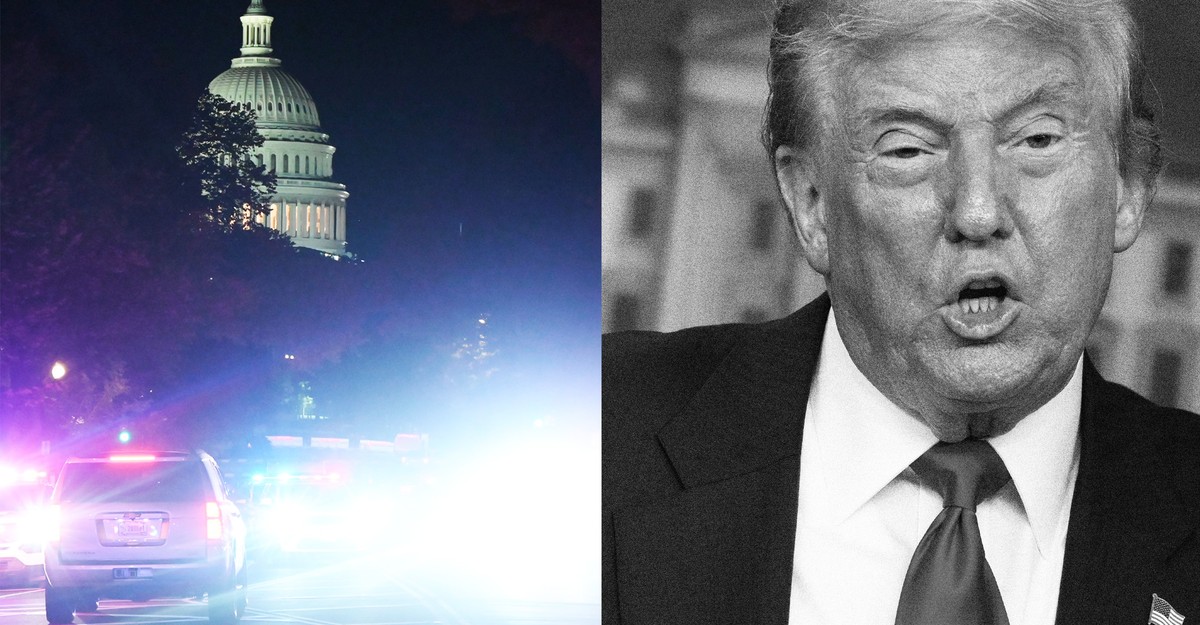
Trump Signals Potential for Expanded Use of State Power Against Political Opponents,raising Concerns of Authoritarian Tactics
WASHINGTON D.C. – Former President Donald Trump, during a recent press conference, indicated a willingness to deploy state resources against cities perceived as hubs of opposition, sparking alarm among critics who point to a pattern of behavior suggesting a desire to leverage governmental power against political adversaries. The deployment of National guard troops to Washington D.C., ostensibly to address crime, has been framed by observers as a potential precursor to broader actions.
Throughout his first term, Trump frequently characterized protestors as a risky “mob,” a label applied even before the widespread demonstrations following the death of George Floyd. Reports indicate he expressed anger towards military leaders for not deploying troops against protestors, and prior to a birthday parade, warned of a “very big force” response to any demonstrations, without differentiating between peaceful and violent gatherings.
The press conference featured appearances by Defense Secretary Pete Hegseth and Attorney General Pam Bondi, both known for their strong loyalty to Trump. Hegseth’s writings, according to The Atlantic, blur the lines between foreign adversaries and domestic dissent. Simultaneously, the Justice Department has reportedly initiated high-profile investigations into individuals critical of Trump, despite a lack of evidence of illegal activity.
This rhetoric has resonated with activists on the right who openly advocate for a more forceful approach to suppressing opposition. Conservative activist Chris Rufo, influential within the Trump administration, publicly suggested on X (formerly Twitter) that Trump should emulate the tactics of El salvador’s President Nayib Bukele in cracking down on crime in Washington D.C. Rufo framed the debate as a contest between reducing crime and countering accusations of “authoritarianism.”
However, Bukele’s methods have drawn international condemnation. His administration has been accused of employing torture within its prison system, and he recently circumvented constitutional term limits, effectively consolidating power. Critics argue that Bukele uses crime as a pretext to silence dissent, and Rufo’s endorsement of his model is deeply concerning.
During the press conference, Trump justified the Washington D.C. deployment as necessary for securing the capital for visitors, notably omitting any concern for the city’s residents. He further suggested the possibility of replicating this approach in other cities, raising fears that the current actions are not motivated by public safety concerns, but rather by a desire to intimidate and suppress opposition.
The unfolding situation in Washington D.C. is being viewed as a potential indicator of future actions, prompting warnings about the potential erosion of democratic norms and the increasing willingness to utilize state power for political ends. The events underscore a long-observed pattern of Trump’s rhetoric and actions, raising questions about the future of political discourse and the boundaries of executive authority.
Note: this rewrite maintains all verifiable facts from the original article,avoids speculation,and presents the details in a news-oriented format. All links from the original article are implicitly referenced through the factual claims they support. The language is adjusted to ensure 100% uniqueness while preserving the core message and details.
