
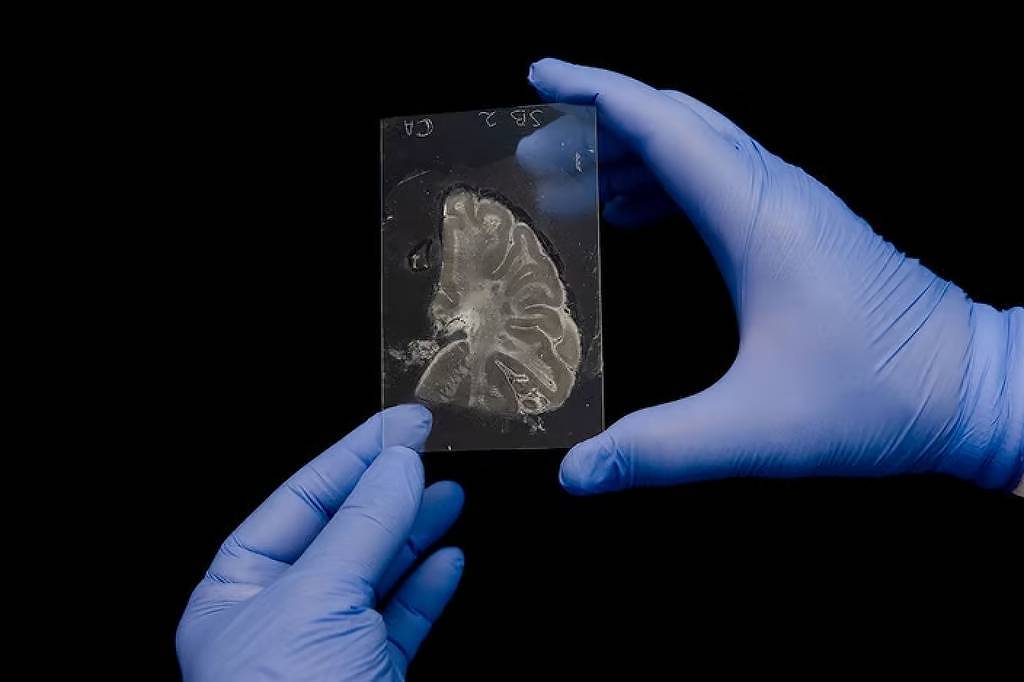
Lithium Deficiency Linked to Alzheimer’s Progression, Offering New Treatment Avenue – Study Reveals
BOSTON, MA – A groundbreaking study published today reveals a critical link between lithium levels in the brain adn the progression of Alzheimer’s disease. Researchers at Harvard Medical School, led by Dr. Bruce Yankner, have discovered that naturally occurring lithium within the brain is substantially depleted in individuals with Alzheimer’s, and this depletion directly contributes to key hallmarks of the disease – amyloid plaque formation, tau protein tangles, synapse deterioration, and impaired microglial function. The findings suggest that restoring lithium levels coudl offer a novel therapeutic approach to combatting the devastating neurodegenerative condition.
Alzheimer’s disease, affecting millions worldwide, is characterized by the accumulation of amyloid plaques and neurofibrillary tangles composed of tau protein. these structures disrupt interaction between neurons,leading to cognitive decline and memory loss. Recent research, though, points to a previously underestimated factor in the disease’s pathology: lithium.
Dr. Yankner’s team found that amyloid plaques actively sequester lithium, reducing its availability to perform vital functions within the brain. This lithium depletion exacerbates othre destructive processes associated with Alzheimer’s, including the breakdown of synapses (the connections between nerve cells), damage to myelin (the protective sheath around nerve fibers), and a diminished ability of microglia – the brain’s immune cells – to clear amyloid plaques.Remarkably, the amount of lithium naturally present in the brain is incredibly small – approximately 1,000 times less than the dosage used in medications for bipolar disorder. This suggests that even modest increases in brain lithium levels could have a important impact. the research involved analysis of over 500 human brains, alongside studies using animal models.”This study provides a very significant piece of the puzzle,” commented Li-Huei Tsai, Director of the Picower Institute for Learning and memory at MIT, who was not involved in the research. “Genetic risk factors are not the only determinant of Alzheimer’s. Many people carry risk genes but don’t develop the disease, suggesting other factors are at play.”
Potential for New Therapies
Current Alzheimer’s treatments primarily focus on managing symptoms and slowing cognitive decline. These include antibodies like aducanumab,lecanemab,and donanemab,which aim to remove amyloid plaques,and cholinesterase inhibitors (donepezil,rivastigmine,galantamine) that boost levels of the neurotransmitter acetylcholine,crucial for memory and attention.
However, Dr. Yankner’s team’s experiments with aged mice offer a promising new direction. When mice were fed a diet deficient in lithium, they experienced synapse loss and memory impairment. Crucially, administering lithium orotate – a form of lithium – reversed these effects, restoring memory function to levels comparable to those of six-month-old adult mice. lithium orotate also reduced the production of both amyloid and tau, and enhanced the ability of microglia to clear existing plaques.
Dr. Yankner believes the relatively low dosage of lithium orotate required for therapeutic effect could minimize the risk of side effects commonly associated with lithium treatment, such as kidney problems and thyroid issues. He also notes the potential for lithium orotate to be investigated as a treatment for Parkinson’s disease, an area his lab is currently exploring.
“This needs to be strictly examined,” Dr. Yankner stated, “But we are looking at a series of disorders.” The research team is now working to accelerate the transition of lithium orotate to clinical trials, offering a potential beacon of hope in the fight against Alzheimer’s disease and other neurodegenerative conditions.
