
Colon Cancer Surges in Young Adults; Diet May Offer Protection
Experts highlight four fruits to combat rising rates.
An alarming increase in colon cancer diagnoses among individuals under 50 is prompting medical professionals to focus on preventative lifestyle choices. While once considered a disease of older age, this aggressive cancer is now disproportionately affecting younger demographics, with experts pointing to factors like obesity and alcohol consumption.
Understanding the Growing Threat
Colorectal cancer, which affects the colon or rectum, is a significant global health concern and the second leading cause of cancer fatalities in the United States. It typically originates from polyps and can become life-threatening if it recurs after treatment. The American Cancer Society reports that over 100,000 Americans are diagnosed annually, with Black, Hispanic, Indigenous, and Asian populations experiencing higher rates.
Dietary Defense: Fruits to the Rescue
In the battle against this escalating health crisis, particularly among younger adults, a shift towards nutrient-rich, whole foods is strongly advised over processed alternatives. Gastroenterologist Joseph Salhab, D.O., a US-based expert, has identified specific fruits that research suggests can lower the risk of colon cancer.
Watermelon’s Hydrating Power
More than just a refreshing treat, watermelon consumption may reduce colon cancer risk by 26%. Gastroenterologists praise its high lycopene content, an antioxidant that helps shield cells from damage. Enjoying watermelon as a mid-morning or afternoon snack supports hydration and digestive regularity.

Dr. Salhab suggests incorporating watermelon into savory dishes like a cucumber salad or creating a delightful no-churn ice cream.
Apples: A Daily Dose of Protection
The age-old adage about apples proves insightful. High in gut-friendly fiber, apples can decrease colon cancer risk by 25%. They also contain polyphenols, which Dr. Salhab notes possess antioxidant and anti-inflammatory properties. Apples are best consumed raw as breakfast or a post-lunch snack.
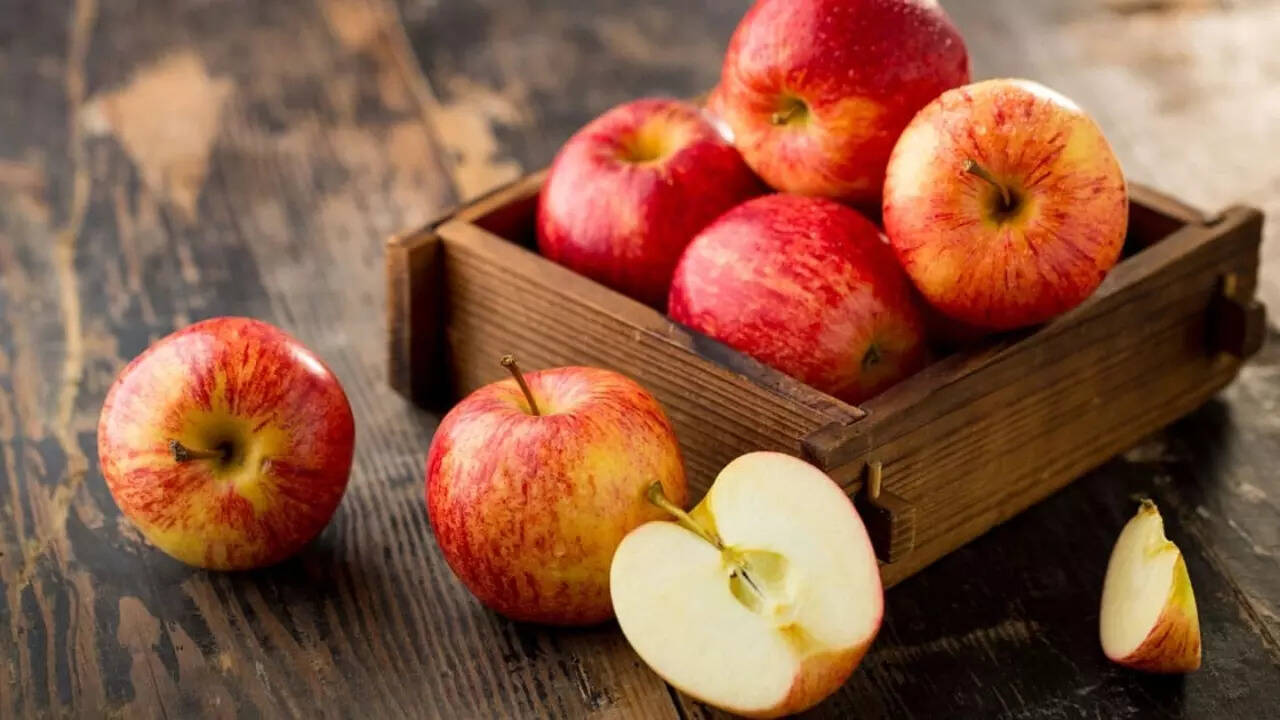
Their versatility allows them to be added to salads, oats, or paired with peanut butter for a complete snack.
Kiwi’s Digestive Support
With the potential to lower colorectal cancer risk by 13%, kiwi fruit stands out for its nutritional value and taste. Dr. Salhab highlights kiwi as an excellent source of fiber, crucial for healthy digestion. It also offers vitamin C, supporting immune function and skin health.

Enjoy kiwi with breakfast or in fruit bowls to stimulate digestion, or try it in a fresh salsa for fish tacos.
Citrus Fruits: Vitamin C Powerhouses
Incorporating citrus fruits like oranges, grapefruits, lemons, and limes into the diet may contribute to a 9% reduction in colon cancer risk. These fruits are abundant in vitamin C, an antioxidant that combats free radicals and potential DNA damage.
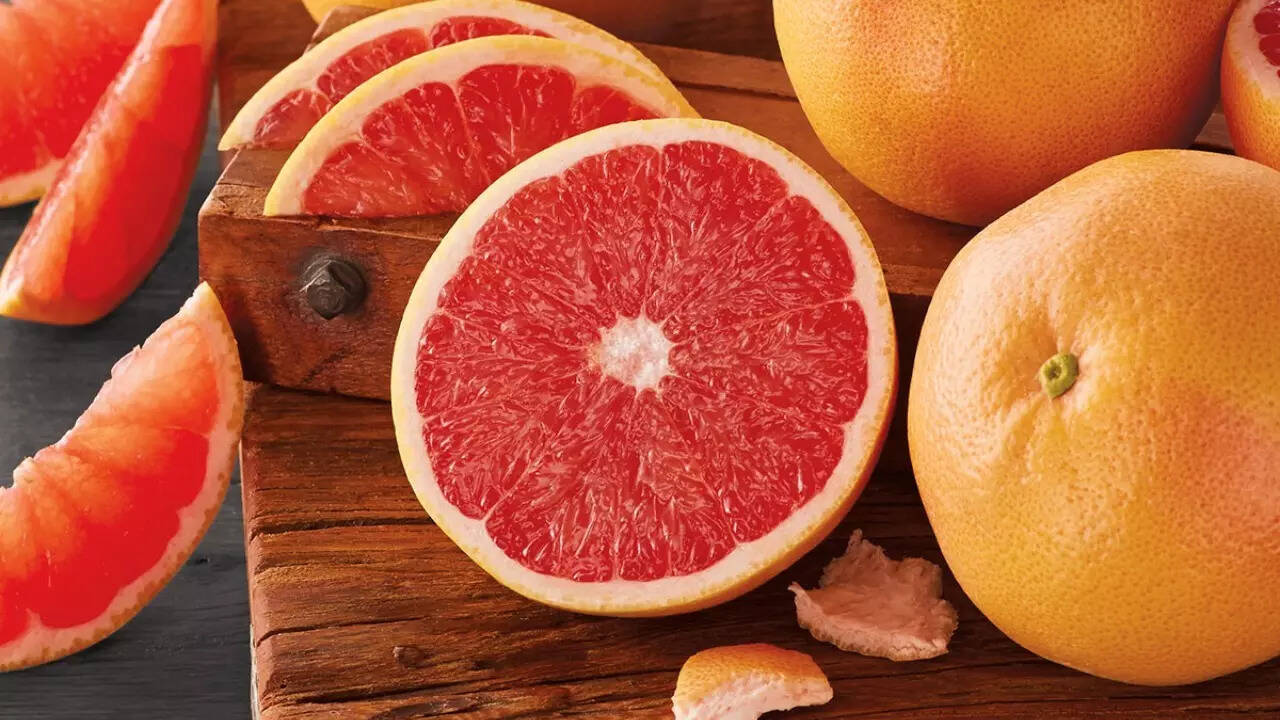
Citrus also contains flavonoids, polyphenols linked to slower aging, reduced inflammation, and cancer prevention. A daily intake of about 120 grams is optimal for these benefits.
A Holistic Approach to Prevention
While these fruits offer significant protective advantages, the key to cancer prevention lies in a comprehensive approach. A high-fiber, plant-rich diet, combined with regular exercise, weight management, and limited alcohol consumption, is crucial. Studies indicate that for every additional 10 grams of fiber consumed daily, colorectal cancer risk can decrease by approximately 7%. Reducing intake of processed and red meats, sugary drinks, and ultraprocessed foods, along with maintaining a healthy weight and staying active, further mitigates inflammation and lowers cancer risk.
