
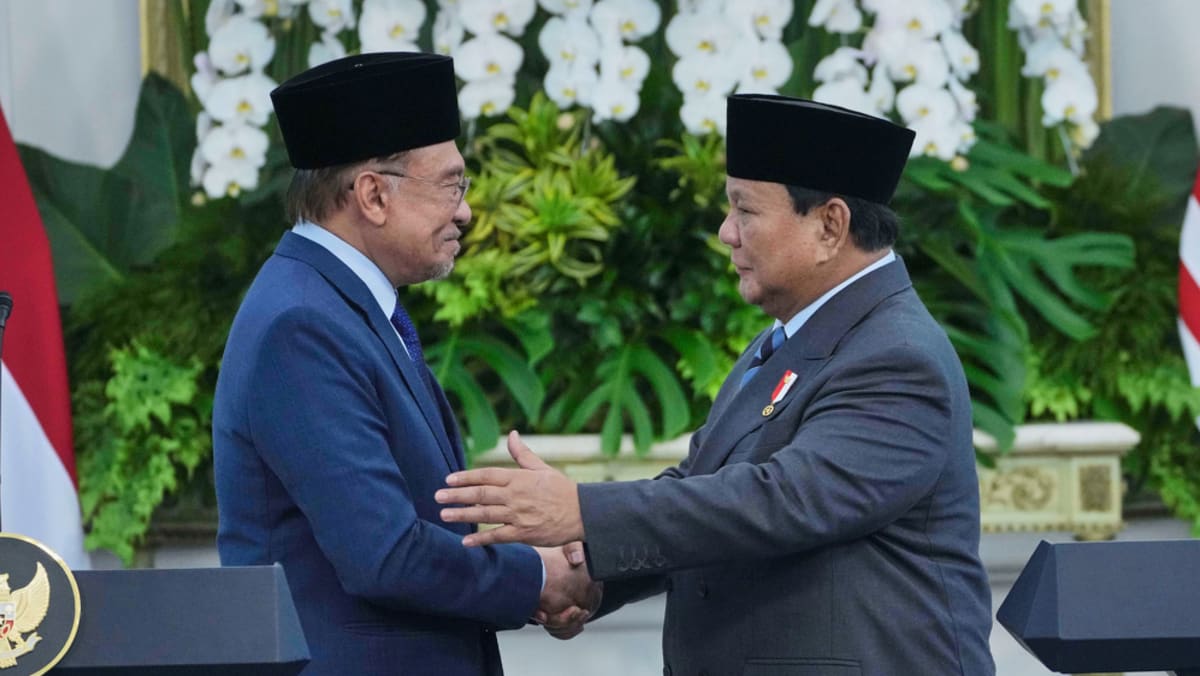
Indonesia, Malaysia Forge Ahead on Disputed Sea Resources
Joint Development Talks Aim to Unlock Sulawesi Sea’s Potential Amidst Lingering Claims
Leaders from Indonesia and Malaysia are set to discuss a groundbreaking proposal for the joint exploitation of an oil-rich maritime zone in the Sulawesi Sea, a move that could reshape regional resource management.
Ambalat Area: A New Dawn for Cooperation?
Analysts highlight the territorial dispute over the Ambalat region as a central issue for the two nations. Anwar and Prabowo previously signaled a willingness to collaborate, agreeing in Jakarta on June 27 to jointly develop the area.
“Whatever we find in the sea, we will exploit it together,”
—Prabowo
“We should start joint development now to benefit both nations and support the local population.”
—Anwar
However, clarification emerged in Malaysia’s parliament on July 22, where Anwar stressed that no definitive agreement is in place, with discussions still underway. He emphasized a continued commitment to negotiating territorial disagreements amicably, while underscoring Malaysia’s unwavering stance on national sovereignty.
A History of Overlapping Claims
The maritime boundary dispute traces back to 1979 when Malaysia released a map delineating its territorial waters, a map not recognized by Indonesia and other regional states like Brunei, the Philippines, Thailand, and Vietnam. The complexities are compounded by overlapping claims concerning maritime borders and sovereignty over two island features, Pulau Sipadan and Pulau Ligitan.
The International Court of Justice awarded the islands to Malaysia in 2002, but the overlapping maritime boundaries remain a point of contention, leading to periodic tensions as both countries sought resolutions.
Charting a Path Forward
Expectations are high for significant progress on the Sulawesi Sea issue, with potential for joint resource extraction agreements that bypass the need for immediate border resolution. Malaysia has precedent for such arrangements, having previously engaged in similar ventures with Thailand.
While a complete resolution at the upcoming consultation is deemed unlikely, experts anticipate a framework agreement or a joint declaration establishing terms for a joint development authority. The inclusion of Sabah Chief Minister Hajiji Noor in Malaysia’s delegation is considered a crucial step for ensuring local consensus and bolstering the legal standing of any agreement.
“Including Sabah at the negotiating table ensures local buy-in, lends legal credibility, and helps the federal government manage domestic sensitivities around sovereignty,” noted an analyst.
The participation of Hajiji Noor is particularly vital for securing local support and clarifying the allocation of potential oil revenues for Sabah, a sentiment echoed by researchers who believe broader stakeholder involvement is essential for sensitive border issues.
Further dialogue is required, as both Malaysian parliament and Indonesia’s House of Representatives will need to deliberate on the joint development proposal.
Beyond the Sea: Other Bilateral Concerns
Beyond the maritime dispute, discussions may also touch upon other long-standing issues, including the welfare of Indonesian migrant workers in Malaysia and the recurring transboundary haze problem. However, the agenda’s depth on these matters is uncertain, especially without the presence of Malaysia’s manpower and environment ministers.
The treatment of Indonesian migrant laborers, many of whom are undocumented and often endure precarious working conditions in domestic, construction, and agricultural sectors, has been a persistent concern. Meanwhile, the annual transboundary haze, largely attributed to forest and peatland fires, continues to affect Indonesia and its neighbors, including Malaysia.
