
Joint Stiffness: Why It Strikes Early and How to Fight Back
Simple Daily Stretching Can Reverse Discomfort and Restore Mobility
Experiencing creaky knees or a tense back is common, but it’s not an inevitable part of growing older. Many factors contribute to joint stiffness, including lifestyle choices, stress, inactivity, and accumulated wear and tear.
Unused Muscles Fuel Joint Discomfort
A recent report highlights that stiff joints are often the consequence of neglected muscles, repetitive strain, and undernourished tissues rather than just aging. The good news is that a consistent daily stretching regimen can significantly improve joint health.
According to Maura Daly Iversen, D.P.T., S.D., dean at Sacred Heart University’s College of Health Professions, women are particularly susceptible to joint problems. The Centers for Disease Control and Prevention (CDC) projects that by 2040, two-thirds of individuals with arthritis will be women. This increased vulnerability is linked to hormonal changes, anatomical differences, and lifestyle influences.
Stretching: The Key to Joint Vitality
Dr. Kathy Weber, an assistant professor of orthopedic surgery at Rush University Medical Center, explains the benefits: “Regular activity keeps joints nourished and lubricated and strengthens the muscles and tendons that keep them stable and protected.”
Essentially, stretching acts like essential maintenance for your body’s joints, easing current pain and preventing future degradation.
Beyond physical relief, stretching offers a valuable mental health advantage. These moments of quiet movement can calm the nervous system, release tension, and foster a greater sense of self-care.
Targeted Movement for Lasting Relief
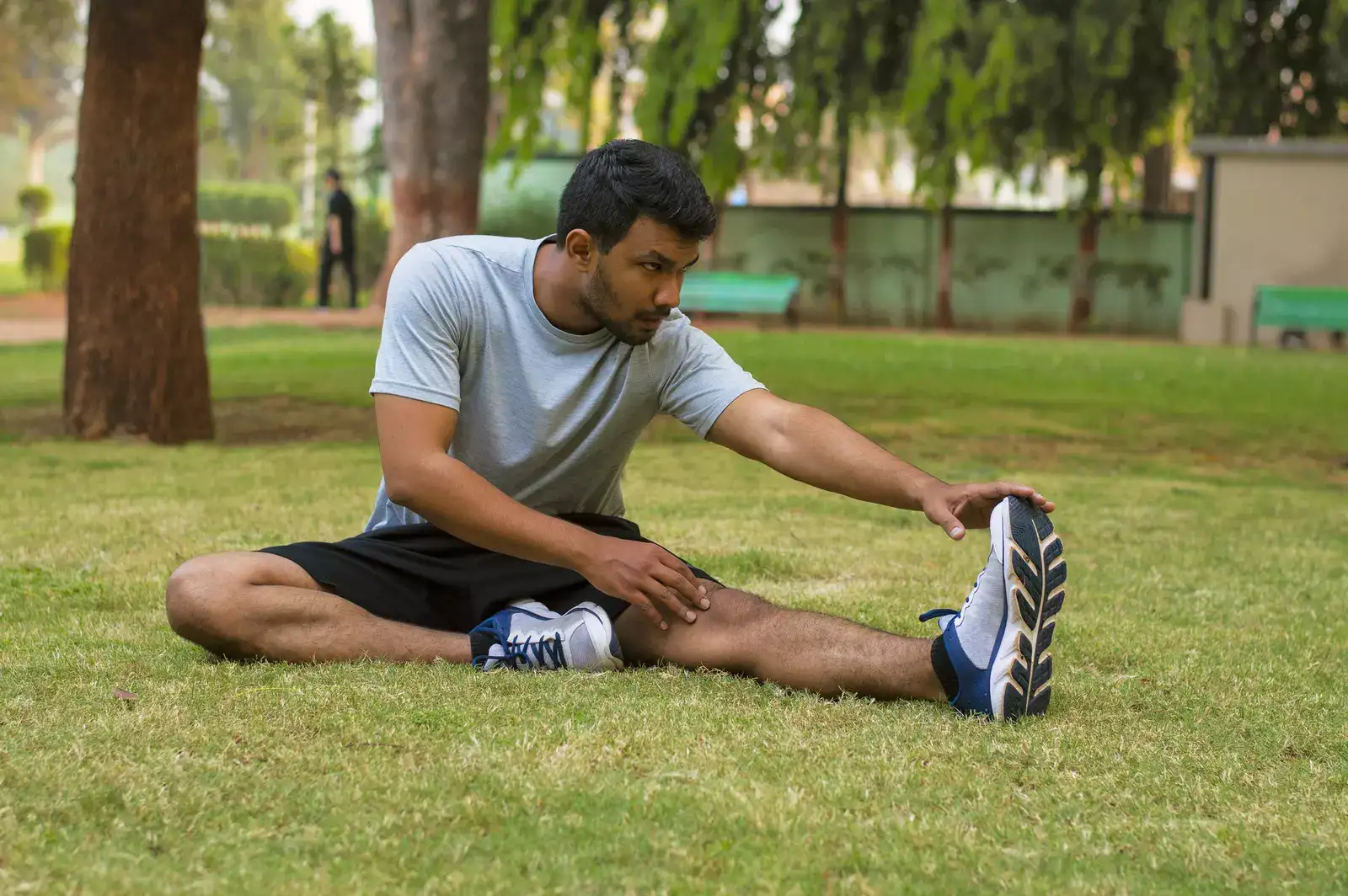
The positive takeaway from expert findings is that you don’t need extensive time or specialized equipment. Focusing on targeted stretches for common problem areas like the neck, hips, back, and knees can gradually restore mobility and build strength.
Preparing for physical activity with warm-up routines is also vital. These exercises ready your joints for movement, increase blood flow, and significantly reduce the risk of injury. For individuals managing arthritis or recovering from injuries, experts provide guidance on safe and effective stretching techniques to ensure a gentle yet impactful approach to joint wellness.
According to the National Osteoporosis Foundation, flexibility exercises like stretching are crucial for maintaining balance and reducing the risk of falls, especially in older adults. This highlights the multifaceted benefits of incorporating regular stretching into one’s routine (National Osteoporosis Foundation).
