
Students Dive into Local Waterways for Environmental Study
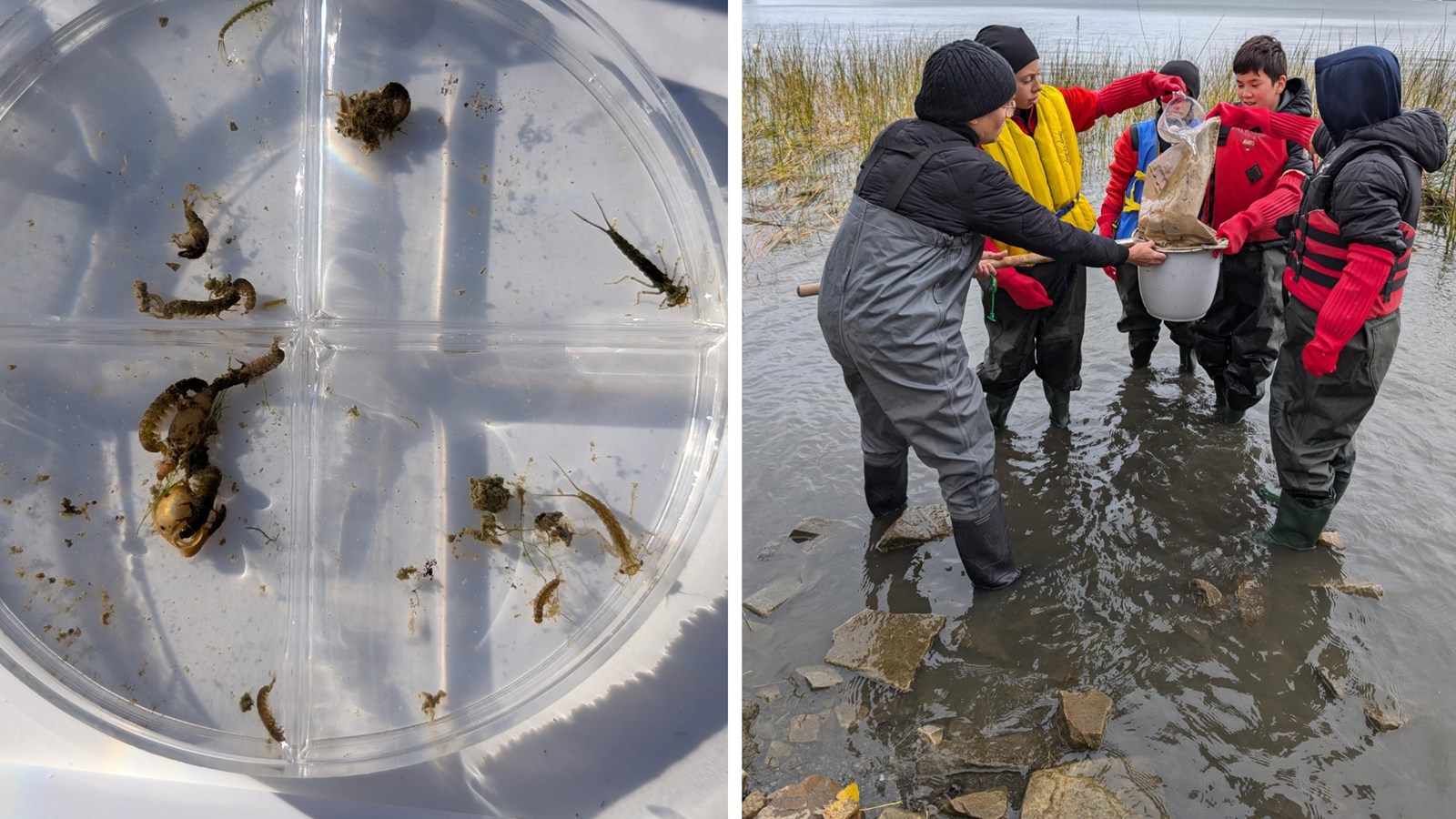
Local students recently engaged in hands-on environmental education, visiting watercourses to conduct site descriptions, perform physicochemical analyses, and collect benthic macroinvertebrates. These small aquatic organisms, including insect larvae, worms, crustaceans, and mollusks, are vital indicators of water health and serve as a food source for various wildlife.
Students from the Chêne-Bleu School focused their efforts on the st. lawrence River within the Past Park of Pointe-du-Moulin Area. Concurrently, students from the School of Navigators investigated the Rivière Delisle. The physicochemical analyses undertaken during these “Adopt a River” activities measured seven key parameters: temperature, dissolved oxygen, pH, hardness, turbidity, nitrate and nitrite levels, and conductivity.
Following the fieldwork, a facilitator from the Haut Saint-Laurent ZIP Committee returned to the classroom with the students. This follow-up session aimed to help the students interpret their test results and determine the biological health index of the watercourses they studied.
These educational initiatives were made possible through financial support from the Education and Water Ecosurveillance Group (G3E) Program of supervised rivers, “adapt for the future.” Ms. Côté-Larose expressed gratitude for G3E’s contribution, stating, “We would like to thank G3E for their invaluable financial support. Without this contribution, these educational activities for 5 groups of students would not have been possible.” She hopes to secure similar funding to offer the program to five student groups again next spring and is actively seeking local partners to ensure the continuation of this valuable environmental education.
