
‘Wuchang: Fallen Feathers’ Offers Nostalgic Soulslike Thrills
Challenging combat and deep exploration reminiscent of the genre’s golden era
For dedicated fans of challenging gameplay, a new contender has emerged that harks back to the beloved era of games like Bloodborne and Sekiro. “Wuchang: Fallen Feathers” is positioned as a must-play title for those seeking a demanding yet rewarding Soulslike experience this year.
A Familiar Yet Fresh Formula
The game doesn’t reinvent the wheel, but rather masterfully blends established Soulslike mechanics. Its familiar stages, character movement, and menu navigation evoke a strong sense of déjà vu, as if “reverse-engineered” from FromSoftware’s acclaimed titles. This “inspiration” is particularly evident in its fusion of Bloodborne’s aggressive combat and Sekiro’s refined aesthetics, drawing from both the latter’s posture mechanics and the former’s dark, brooding atmosphere.
Beyond its core mechanics, “Wuchang” boasts inspired level design, featuring numerous hidden paths, treacherous traps, and secrets waiting to be uncovered. On PC, the game is surprisingly accessible, though players are advised to cap frame rates to avoid potential performance hiccups.
Narrative Threads of Madness and Myth
The narrative centers on Wuchang, a pirate afflicted by a mysterious feathered disease that plunges its victims into madness and monstrous transformation. Players will delve into the region’s cryptic lore, uncovering its connections to ancient deities and demons. This thematic resonance, much like its gameplay, echoes the storytelling sensibilities found in titles like Bloodborne and Sekiro.
Combat System: Precision and Power
Where “Wuchang” truly shines is in its combat. While dodging remains paramount, offensive options are expanded by a “heavenly power” system. This allows for powerful special attacks and unique skills that are crucial for canceling enemy attack animations, preventing players from being left vulnerable. The game demands careful timing, as recovery animations are deliberate and invulnerability frames are less forgiving.
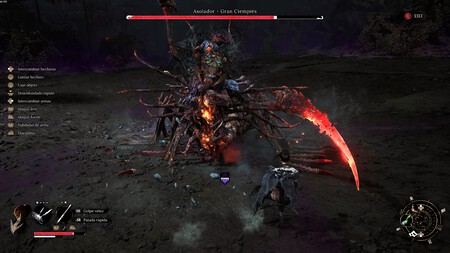
As players progress, combat complexity deepens. The ability to seamlessly switch between special attacks and parries can dramatically alter playstyles. However, the reviewer notes that while engaging, the combat can sometimes feel unrefined, particularly during intense enemy barrages or when trying to manage close-quarters pressure.
The progression system’s overhaul is a standout feature, replacing manual stat increases with an improvement tree that allows players to unlock new skills and enhancements.
- Its design is strongly inspired by Bloodborne and Sekiro, both in the mechanical and aesthetic.
- The progression system is very flexible, allowing to redistribute attributes and skills at any time.
- The combat is demanding and interesting, although it has problems such as recovery animations.
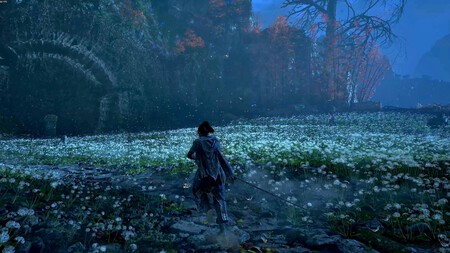
- The exploration of its scenarios is very satisfactory and is full of secrets to discover.
- Visually very striking and also in PC is not too demanding.
This flexible system allows for seamless weapon class changes and attribute redistribution, offering vital tactical advantages. The game features five distinct weapon classes, though the variety of weapons within each class is limited. Costumes offer defensive benefits rather than outright power boosts, contributing to a balanced build system.
A System of Madness and Memorable Bosses
A unique “madness system” is tied to player deaths, increasing player damage output but also the likelihood of receiving more hits. While an interesting concept, its implementation can be manipulated, diminishing its impact. When fully charged, the system spawns a demon based on the player’s form, adding a challenging twist.
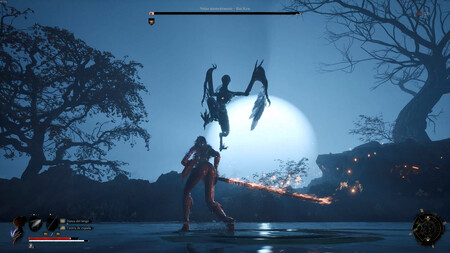
The game’s bosses are a highlight, offering significant challenges and memorable encounters, even for seasoned players. However, some difficulty spikes are attributed to less refined mechanics, such as excessively long runs back to bosses after death and overly aggressive “get-off-me” attacks that can feel artificial. A particular point of frustration is the player’s recovery animation after being knocked down, which can leave them vulnerable to relentless enemy combos. This issue can lead to deaths that feel less like learning experiences and more like cheap hits.
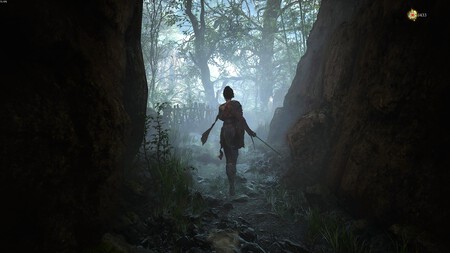
“Wuchang: Fallen Feathers” excels in its exploration, rewarding players with key items like potion upgrades and side quests that contribute to multiple endings. Despite the absence of online multiplayer, an NPC summoning system is available. The game offers approximately 45 hours of gameplay, a substantial offering for fans of the genre.
In an industry increasingly drawn to open worlds and online connectivity, “Wuchang: Fallen Feathers” stands out for recapturing the essence of the Soulslike genre’s “golden age.” Following the success of “Lies of P,” this title is highly recommended for those seeking a challenging, beautiful, and uncompromising Soulslike experience. As one critic noted, “The greatest evolution of EA Sports FC 26 is neither in the graphics nor in Ultimate Team, is in Reddit. We have traveled to Ea Vancouver to check it,” highlighting a broader trend of innovation in gaming.
