
Garmin Vivoactive 6 Battles Pixel Watch 3 for Fitness vs. Smart Dominance
Wearables Duke It Out: Health Tracking Meets Everyday Connectivity
Choosing a new smartwatch means weighing priorities. For the casual fitness enthusiast, the decision often narrows to a specialized health tracker or a feature-rich smart device. This comparison pits the Garmin Vivoactive 6, a fitness-focused wearable, against the Google Pixel Watch 3, which champions smart capabilities. Both offer a taste of daily smartwatch convenience, but their core strengths diverge significantly.
Design and Display: A Tale of Two Aesthetics
The Garmin Vivoactive 6 boasts a slimmer profile at 10.9mm, fitting comfortably on the wrist with its 42mm fiber-reinforced polymer case and aluminum bezel. It features a 1.2-inch AMOLED display, offering a crisp visual experience. In contrast, the Google Pixel Watch 3 arrives in two sizes, 41mm and 45mm, with the smaller version housing a slightly larger 1.27-inch AMOLED panel. The Pixel Watch 3’s case is recycled aluminum and features more durable Gorilla Glass 5, compared to the Vivoactive 6’s Gorilla Glass 3. Pricing reflects these differences, with the Vivoactive 6 retailing at $299 and the Pixel Watch 3 starting at $349 for the 41mm model.
Under the Hood: Sensor Suites and Stamina
Garmin’s Vivoactive 6 incorporates the Elevate v4 heart-rate monitor, a pulse-oximeter, gyroscope, and compass, supporting GPS through multiple satellite systems. However, it omits features like a barometric altimeter and lacks a microphone and speaker for calls. This leads to an impressive battery life of up to 11 days in smartwatch mode.
The Google Pixel Watch 3, on the other hand, is equipped with a more comprehensive sensor array, including an altimeter, barometer, cEDA sensor for body response, and skin temperature sensing, alongside ECG capabilities. While it offers more advanced health tracking potential, its battery life is significantly shorter, typically lasting just over a day, necessitating nightly charging. The Pixel Watch 3 also offers a substantial 32GB of storage for music and apps, a fourfold increase over the Vivoactive 6’s 8GB.
Health and Fitness: Garmin’s Edge
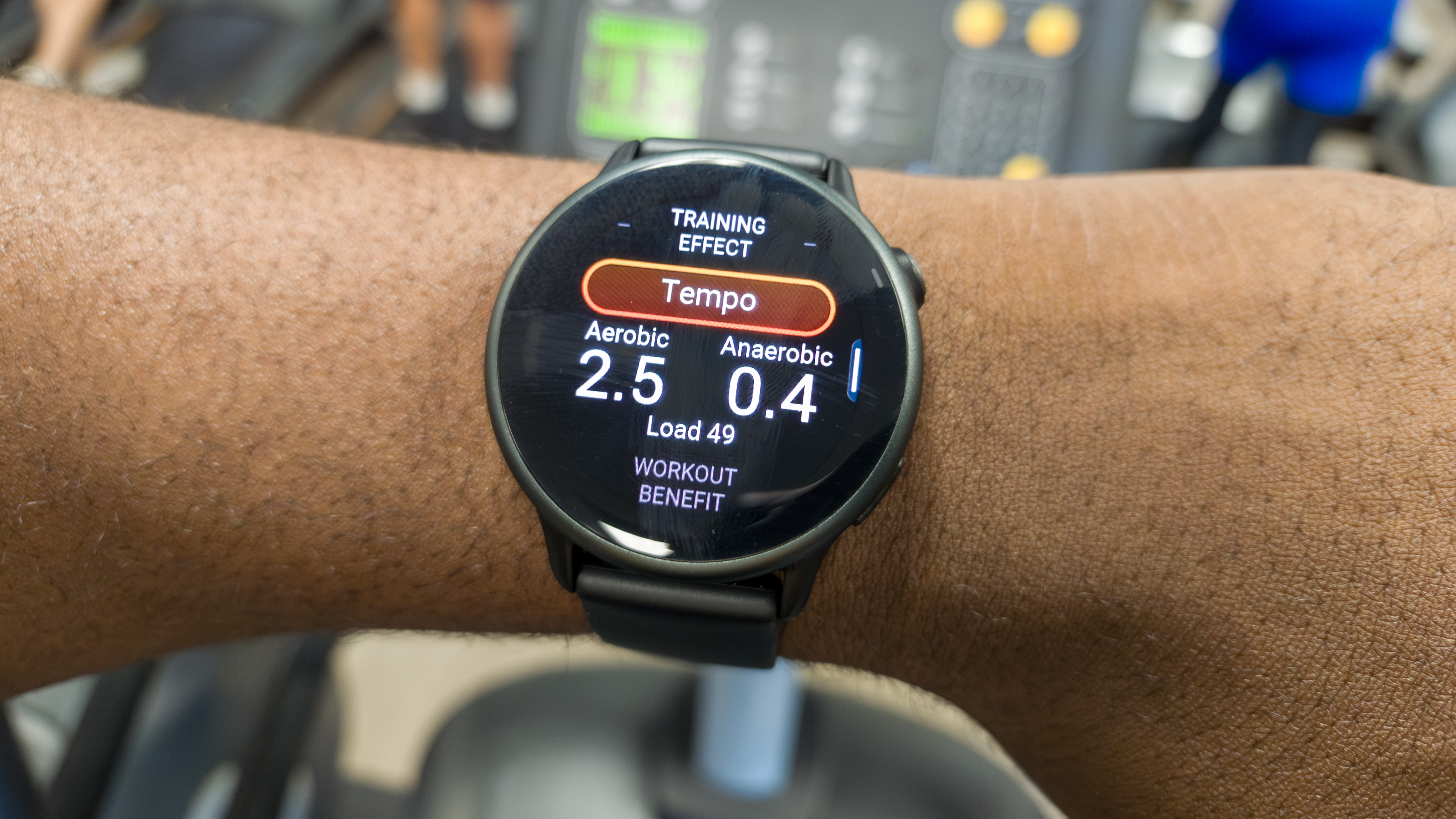
When it comes to dedicated health and fitness tracking, the Garmin Vivoactive 6 generally outperforms the Pixel Watch 3. It supports over 80 workout types and offers specialized features like automatic rep counting for weightlifting and daily walk suggestions. Garmin’s software provides detailed insights, including running power and race predictions.
The Pixel Watch 3 relies on Fitbit’s platform for its health and fitness features. While functional for casual users, it doesn’t match the depth of Garmin’s offerings. The Pixel Watch 3’s advantage lies in its operating system. Running Wear OS 5, it provides access to a vast app ecosystem and seamless integration with Android features, including Google Assistant powered by Gemini.
The Verdict: Fitness Focus or Smart Integration?
For users prioritizing reliable workout data and extended battery life, the Garmin Vivoactive 6 is the stronger contender. Its consistent GPS tracking and gym-friendly features make it a dependable companion for athletes.
Conversely, the Google Pixel Watch 3 appeals to those who value seamless integration with their Android smartphone and access to a broader range of smart features and third-party applications. Its Wear OS platform, coupled with Google’s AI capabilities, makes it a more connected device. Ultimately, the choice hinges on whether your primary need is robust health monitoring or versatile smart functionality. For example, a recent study by Statista indicated that smartwatch user engagement with health features is growing, with 47% of users in the US reporting they use their smartwatch for fitness tracking (Statista, 2024).
