
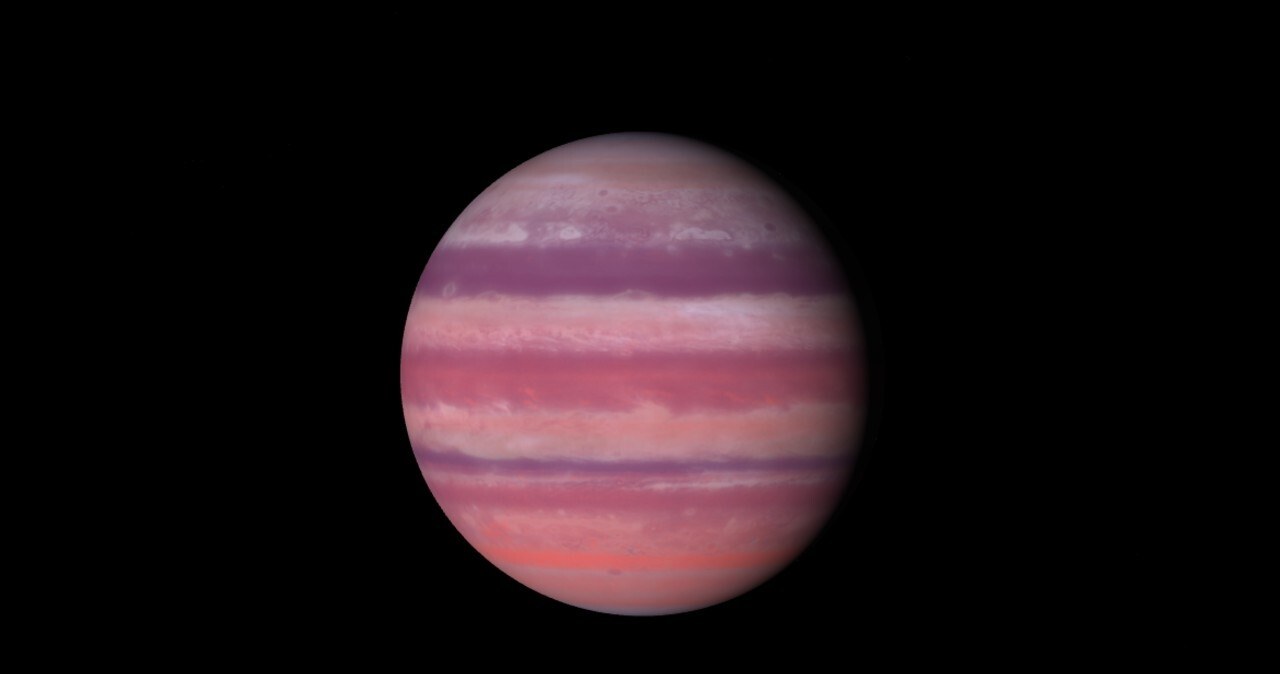
Fifth Giant Planet Discovered Orbiting Distant Star
Kepler-139F’s existence revealed by subtle gravitational tugs
Astronomers have uncovered a colossal gas giant, Kepler-139F, lurking in a star system over 1,200 light-years from Earth. Its discovery highlights advanced techniques used to detect planets previously hidden from view.
A Colossal World Revealed
Kepler-139F boasts a mass estimated to be 35 times that of Earth, making it nearly double the size of Neptune. This behemoth completes a full orbit around its host star, Kepler-139, in 355 days.
Hidden in Plain Sight
The exoplanet’s substantial size initially shielded it from detection. The Kepler Space Telescope, which identified earlier planets in the system, relies on the transit method – observing dips in starlight as planets pass in front of their star. This technique only detects planets directly in the line of sight.
Gaps in the Planetary Family
Previously, four planets – three rocky super-Earths and one gas giant – had been identified around Kepler-139. The noticeable spacing between their orbits prompted scientists to investigate the possibility of additional celestial bodies filling these gaps.
“The problem is not about finding non-permanent planets, but rather about finding situations in which we can deduce where they are.”
—Caleb Lammers, Master’s student at the Faculty of Astrophysics at Princeton University and co-author of the study
By combining radial velocity data with the transit-timing variation (TTV) method, researchers successfully pinpointed Kepler-139F. This fifth exoplanet now occupies a strategic position between a previously known super-Earth and the initial gas giant discovery.
“It is possible that there are other invisible planets in the system. It is a challenge to find them!”
—Caleb Lammers
The discovery of Kepler-139F adds to the growing catalog of exoplanets, with nearly 6,000 confirmed as of June 2025. These discoveries, largely spearheaded by the Kepler mission, are found within over 4,400 planetary systems.
Understanding these distant worlds is crucial for grasping planetary formation and the diversity of solar systems. For instance, the TRAPPIST-1 system, located just 40 light-years away, hosts seven Earth-sized planets, some of which may reside in the habitable zone (NASA).
