
Diaspora Beats Unite Europe: Exile Music Fuels Connection
Middle Eastern and North African artists forge vibrant club scenes, blending tradition with global sounds to combat xenophobia and celebrate heritage.
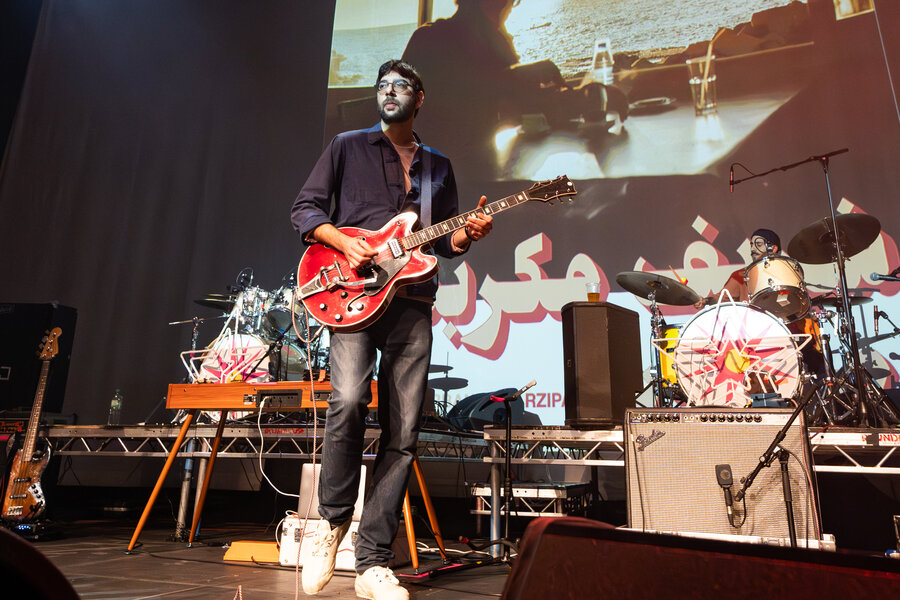
Amidst ongoing turmoil in their homelands, diaspora communities across Europe are finding solace and solidarity in a blossoming underground music scene. Musicians and DJs are crafting unique soundscapes that bridge cultures, offering moments of joy and belonging.
A “Glocalization” of Sound
Regular “Arab club music” gatherings, like London’s Hishek Bishek and Berlin’s Sahra, alongside festivals such as the Netherlands’ Nawafiz, are rapidly becoming significant cultural events. These parties showcase a fusion of ancestral melodies and contemporary electronic beats, a phenomenon dubbed “glocalization.” The multilingual lyrics and diverse attendees, conversing in Arabic, French, English, German, and Spanish, reflect this dynamic cultural exchange.
The growing popularity of this music is fueled by digital platforms. Streaming services and social media have propelled new artists and labels, like Germany’s Habibi Funk, into the spotlight. As Lebanese musician Charif Megarbane, who performs on the label, noted, he was thrilled by the “varied audience” drawn to his sound, with fans discovering his music through platforms like Spotify and cross-cultural music festivals.
Music as Activism and Identity Reclamation
These vibrant nightlife spaces serve as more than just entertainment; they are crucial hubs for cultural expression and political commentary. As journalist Oumeïma Nechi observed, diaspora musicians are “blending tradition and rebellion,” using their art to express both hope and concern for their home countries. These events also foster a deep sense of nostalgia and pride in their cultural roots.
Haroun Ben Hmida, a DJ from Tunisia, reflected on a shift in self-perception: Before… there was a tendency to hide one’s identity a bit.
He added that currently, Arab artists and their supporters have reclaimed their identity and have started uniting together, seeing each other, working on projects together.
Bridging Divides Through Shared Melodies
The musical duo Shkoon exemplifies this spirit of unity. Featuring a Syrian refugee who arrived in Europe a decade ago alongside a classically trained German musician, their eclectic sound aims to challenge Islamophobia and dismantle cultural barriers. Group member Ameen Khayer shared with Middle East Eye that their performances attract an audience comprising not only Arabs, or not only Germans,… multiple nationalities are joining.
This fusion of shared melodies and collective memories is expanding perceptions of integration and belonging within Europe. A 2023 report by the European Union Agency for Fundamental Rights indicated a rise in discrimination against people of Middle Eastern and North African descent, highlighting the importance of spaces that foster positive intercultural dialogue and shared identity. Source: European Union Agency for Fundamental Rights
