
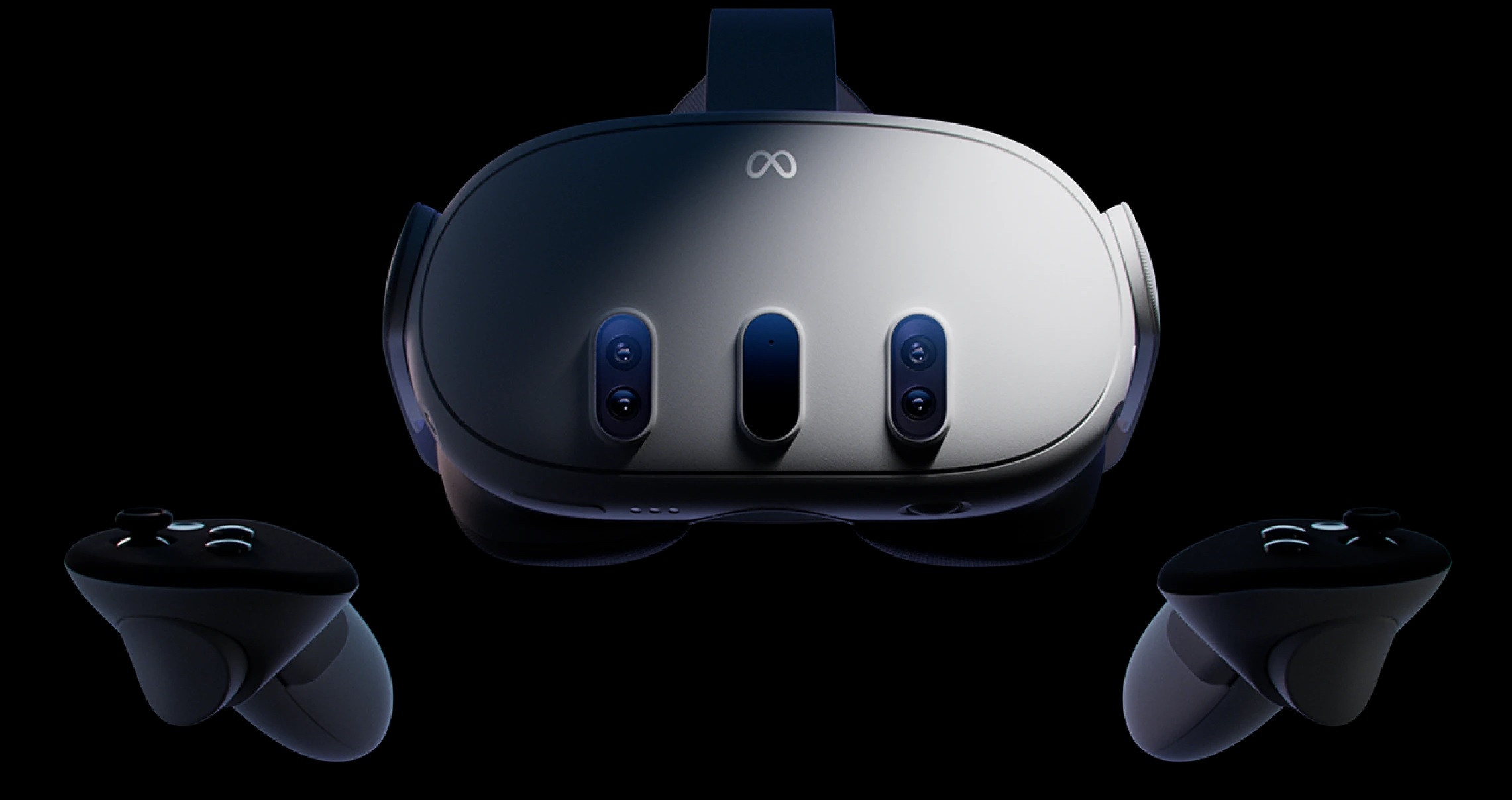
Meta Quest 4 Launch Delayed to 2027 Amidst AR Focus, Leaks Reveal
Next-Gen VR Headset Development Pushed as Smart Glasses Take Priority
Meta’s dominance in the virtual reality market, cemented by its popular Quest 3 and Quest 3S devices, is reportedly shifting focus. While a Meta Quest 4 has long been anticipated, new information suggests its arrival may be significantly delayed, with the company prioritizing the development of advanced augmented reality smart glasses.
AR Smart Glasses Emerge as Top Priority
Recent leaks indicate that Meta is pushing back the development of the Quest 4 headset. Instead, the tech giant appears to be accelerating its plans for AR smart glasses, a move that could reshape the future of wearable technology. This strategic pivot is noted by Bloomberg’s Mark Gurman, who suggests that a high-end successor to the Quest Pro mixed-reality headset is also on the horizon.
The company’s recent releases, including the Quest 3S in October 2024 and the Quest 3S Xbox Edition in June, demonstrate a continuous evolution of its VR offerings. However, emerging reports suggest these are not the only future hardware in the pipeline.
Quest 4 Release Pushed to 2027, New Smart Glasses Emerge
Prominent leakers Brad Lynch and Luna have reported that Meta may be postponing the release of the Quest 4 from its initially expected timeframe to 2027. This delay is reportedly linked to the cancellation of two prototype headsets, codenamed “Pismo Low” and “Pismo High,” which were intended to be budget and high-end successors, respectively, to current models.
The focus has seemingly shifted to a new generation of smart glasses, codenamed “Meta Celeste.” Leaks have surfaced, showcasing alleged photos and videos of these glasses, accompanied by details of accompanying wristbands called “Ceres.” These wristbands are designed to facilitate interaction with augmented reality environments displayed within the glasses.
Meta Ceres EMG Wristband (FP Recording) pic.twitter.com/vDOYUtVnxY
— Luna (@Lunayian) June 30, 2025
This development in AR smart glasses could offer a glimpse into Meta’s future hardware direction, potentially influencing the design and functionality of the eventual Quest 4 release. The company aims to compete with upcoming AR devices from rivals like Apple and Snap.
Quest 4 Design: Hints of a Slimmer Future?
While specific details regarding the Quest 4’s design remain speculative, comments from Gurman about “Quest 4 VR goggles” hint at a potential shift towards a more streamlined form factor. This could draw inspiration from the sleek design language of Meta’s forthcoming AR glasses, offering a departure from the bulkier designs of current VR headsets.
The integration of “Ceres” wristbands, as seen in leaks for the “Meta Celeste” smart glasses, raises questions about future input methods. While many VR titles rely heavily on controller buttons, Meta’s increasing emphasis on advanced hand-tracking, currently featured in the Quest 3 and 3S, could pave the way for such innovations.
Improvements to comfort, particularly the head strap, are also anticipated, a feature that third-party accessories like the Kiwi Design H4 Boost Halo and K4 Boost have already addressed effectively for current Meta headsets.
Pricing Strategy: Balancing Innovation and Affordability
Meta’s current VR headsets, the Quest 3 and particularly the more affordable Quest 3S, have succeeded in part due to their accessible price points. With the Quest 3 starting at $499 and the 3S at $299, Meta has established a competitive market position.
The company’s past experience with the higher-priced Quest Pro ($999) and the significant market entry of the Apple Vision Pro ($3,499) highlight the importance of pricing strategy. To ensure the Quest 4’s success, maintaining an affordable price point will be crucial. Given the Quest 3’s 512GB variant costs $649, it’s plausible the Quest 4 could launch in a similar range, especially if it incorporates substantial upgrades. While prices may decrease over time, Meta is likely to avoid the premium price tags seen with devices like the HTC Vive Focus or the PlayStation VR2.
With a projected 2027 release, the final cost of the Meta Quest 4 remains uncertain. However, building on the success of its recent hardware, Meta is expected to keep its next-generation VR headset competitively priced.
Future Outlook: Continued Growth in VR and AR
The reported 2027 launch for the Meta Quest 4 aligns with Meta’s historical product release cycles, following the Quest 2 in 2020 and the Quest 3 in 2023. This timeline allows Meta to establish a strong presence in the AR glasses market before fully committing to its next major VR headset release.
The potential for the Quest 4 to integrate advanced features is significant, building on recent advancements such as exclusive mixed-reality content from James Cameron‘s partnerships and enhanced Windows 11 connectivity for multiple virtual displays. Meta Quest experienced its most successful year in 2024, and the company will aim to maintain this momentum with its future hardware innovations in both VR and AR.
