
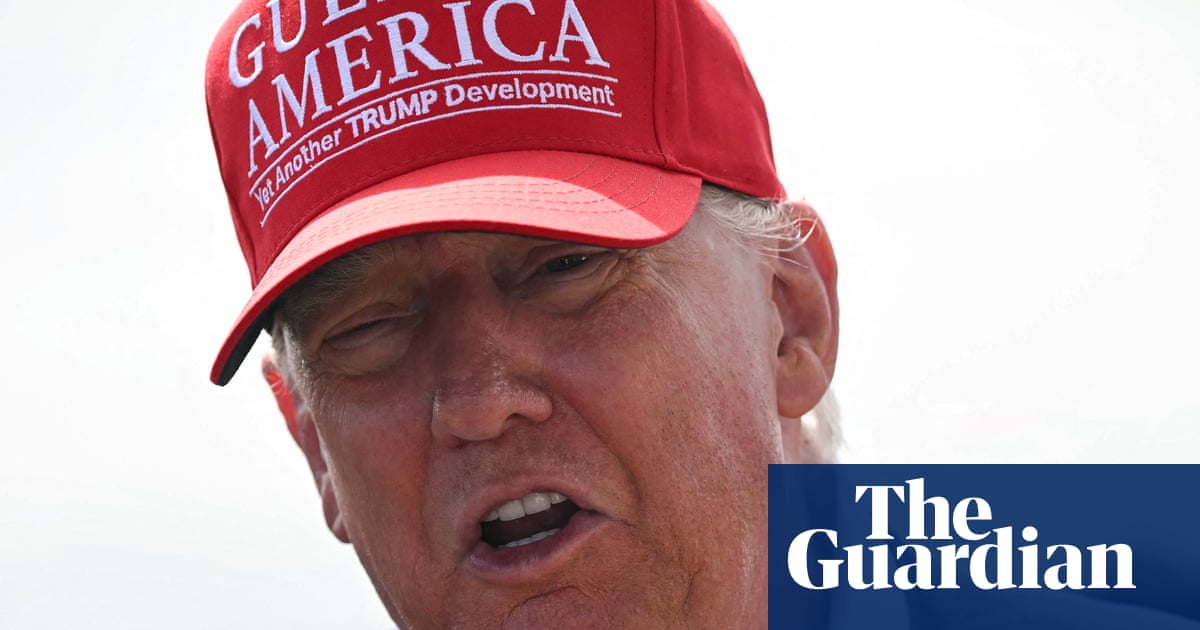
Trump Announces Surprise Tariff Hike on EU, Mexico
In a move that blindsided European and Mexican leaders, **Donald Trump** declared 30% tariffs on goods imported from both the European Union and Mexico, effective August 1. The announcement, made via Truth Social, throws trade negotiations into turmoil.
EU Expresses Shock, Considers Retaliation
The tariff announcement shocked European capitals, especially after months of negotiations between the European Commission and US trade representative **Jamieson Greer**. They believed they had reached an agreement acceptable to both sides.
Trade ministers from the EU are scheduled to meet on Monday and are now under pressure to enact €21 billion ($24.6 billion) in retaliatory measures. These had been paused until midnight that same day, per earlier agreements.
Ursula von der Leyen, president of the European Commission, stated that the 30% rate would “disrupt transatlantic supply chains, to the detriment of businesses, consumers and patients on both sides of the Atlantic.”
Despite the setback, **von der Leyen** said the EU remains open to reaching an agreement by August 1, but will “take all necessary steps to safeguard EU interests, including the adoption of proportionate countermeasures if required.”
Mexico Targeted Over Narcotics
In his letter to Mexico’s leader, **Trump** conceded Mexico’s help in curbing undocumented migrants and fentanyl entering the US. However, he asserted that Mexico hasn’t done enough to prevent North America from becoming a “Narco-Trafficking Playground.”
Trump Justifies Tariffs, Cites Trade Imbalance
In his letter to the EU, **Trump** stated, “We have had years to discuss our Trading Relationship with The European Union, and we have concluded we must move away from these long-term, large, and persistent, Trade Deficits, engendered by your Tariff, and Non-Tariff, Policies, and Trade Barriers.”
He added, “Our relationship has been, unfortunately, far from Reciprocal.”
Potential Impacts and Reactions
The higher-than-expected tariff rate jeopardizes hopes for a trade deal and raises the specter of a trade war. Goods with low margins, like Belgian chocolate, Irish butter, and Italian olive oil, are particularly vulnerable.
Giorgia Meloni, Italy’s prime minister, urged “goodwill … to reach a fair agreement that can strengthen the west as a whole. It would make no sense to trigger a trade war between the two sides of the Atlantic.”
She emphasized the need to avoid “polarisation.”
These tariffs highlight the delicate balance in international trade relations, as global merchandise trade is projected to grow by only 2.6% in 2024, following a decline in 2023 (WTO April 2024).
Doubts Over Good Faith Negotiations
The decision to increase tariffs will test **Trump’s** ability to negotiate in good faith. Brussels may view the threat as a tactic to extract further concessions from the EU.
While **Trump** indicated earlier in the week that new rates levied against major economies including Japan, South Korea, and Brazil wouldn’t apply until August 1, his latest move is expected to create distrust.
Luiz Inácio Lula da Silva, Brazil’s president, downplayed the impact of the threatened 50% tariff. While **Trump** and **Lula** have expressed a willingness to negotiate, **Lula** also commented: “Trump could’ve called, but instead posted the tariff news on his website – a complete lack of respect which is typical of his behavior towards everyone.”
Expert Analysis
Douglas Holtz-Eakin, former Congressional Budget Office director and president of the American Action Forum, suggested the letters indicate that serious trade discussions haven’t occurred recently. He stressed that nations are instead focusing on minimizing their own exposure to the US economy and **Trump’s** policies.
“They’re spending time talking to each other about what the future is going to look like, and we’re left out,”
said Holtz-Eakin.
He added that **Trump** is using the letters to demand attention, but “in the end, these are letters to other countries about taxes he’s going to levy on his citizens.”
A Week of Mixed Signals
The new tariff announcement concludes a turbulent week, during which **Trump** extended talks until August 1 on Monday. On Tuesday, he stated that the EU would “probably”
receive a letter outlining its new US tariff rate within 48 hours.
Diplomats perceived the messages as mixed, given **Trump’s** continued discussions with EU negotiators alongside his dissatisfaction with European policies toward US tech firms.
