
Gaza Faces Imminent Famine Amidst Ceasefire Calls
Caritas Prepares to Ramp Up Aid Delivery as Humanitarian Crisis Deepens
As the Gaza Strip teeters on the brink of famine, pressure mounts for a ceasefire to enable the delivery of vital humanitarian aid. Caritas Switzerland and its partner organizations are gearing up to reinforce their assistance to civilians in dire need.
Aid Blockade Worsens Crisis
The already critical supply situation in Gaza is deteriorating further, with severe restrictions on the entry of food, fuel, and drinking water. The United Nations reports that over 1 million people in Gaza are facing catastrophic levels of hunger (UN News 2024).
“We can restart our distribution mechanisms as soon as possible and supply people as essential goods necessity, in a safe and orderly manner,”
says Sarah Buss, responsible for aid in the event of disaster abroad at Caritas Switzerland.
She emphasized the necessity of consistent, large-scale deliveries of food, coordinated primarily by the United Nations World Food Program and UNRWA, to stabilize the region amid ongoing devastation.
Re-Establishing Effective Aid Structures
The current aid distribution approach, limited to a few locations by the Gaza Humanitarian Foundation, is inadequate, especially considering reports of deadly clashes over scarce resources. Caritas advocates for the immediate opening of humanitarian corridors and the restoration of previously successful distribution systems.
Limited Emergency Assistance Continues
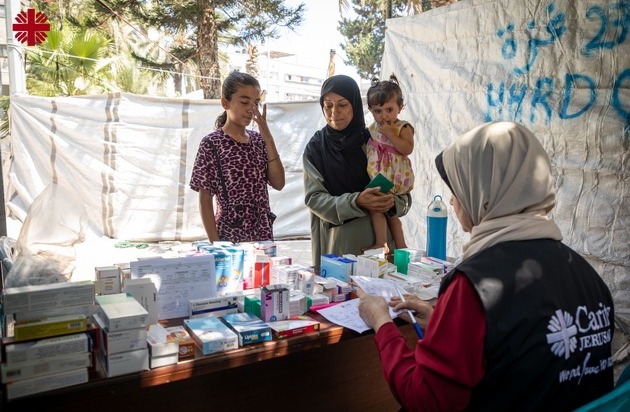
Despite the overwhelming challenges, Caritas Jerusalem continues providing limited emergency aid through its primary healthcare centers. According to director Anton Asfar, these centers face critical shortages of medications for chronic conditions like diabetes and glaucoma.
Water supply efforts are also constrained by fuel shortages, impacting transport and generator operations. The lack of fuel has forced many to rely on donkey carts and bicycles for transportation.
Adapting Aid Programs to Evolving Needs
Caritas is modifying its aid programs to address the changing situation. Due to delivery blockades, hygiene kits are being replaced with direct cash assistance, enabling families to prioritize essential needs like housing, transport, and communication, even amidst market shortages.
Ultimately, Caritas views a ceasefire as a crucial first step toward alleviating the humanitarian catastrophe in Gaza. The organization urges immediate political action, including from Switzerland, to halt hostilities, secure the release of hostages, and lift the blockade on humanitarian aid, fostering conditions for lasting peace and improved living standards.
