
Drug-Resistant Fungi Pose Growing Threat
Common Aspergillus Infections Increasingly Defy Treatment
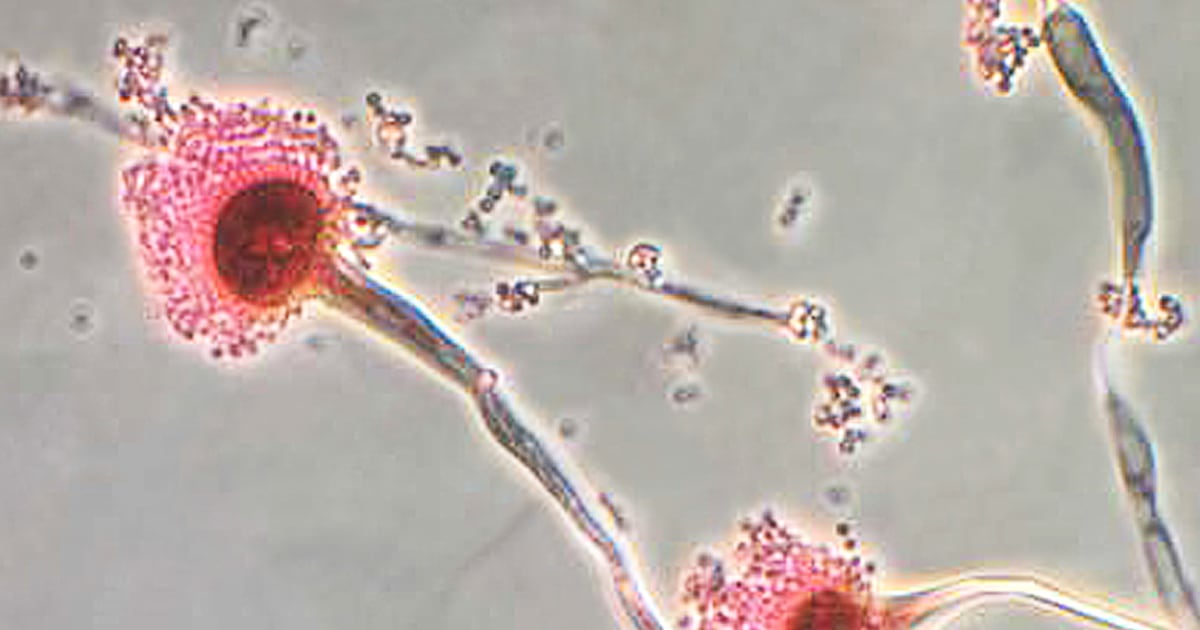
Fungal infections are becoming more difficult to treat, as they demonstrate an increased resistance to available medications. A new study highlights the growing challenge of drug-resistant Aspergillus fumigatus, a common fungus, particularly for vulnerable individuals.
Key Development
Research published in The Lancet Microbe reveals that Aspergillus fumigatus, a fungus present in soil worldwide, is developing resistance to antifungal drugs. According to the study, patients are often infected with multiple strains of the fungus, some of which carry different resistance genes. The co-author of the study, microbiologist Jochem Buil from Radboud University Medical Centre in the Netherlands, notes that “This presents treatment issues.”
The team led by Buil analyzed over 12,600 samples of Aspergillus fumigatus taken from patient lungs in Dutch hospitals over three decades. Approximately 2,000 samples displayed mutations that are associated with resistance to azoles, which are a class of antifungals commonly used for treatment.
Multiple Strains Complicate Treatment
Of those with invasive infections, nearly 86% were infected with multiple strains of the fungi. This creates added complications in effectively treating the infection. Dr. Arturo Casadevall, chair of molecular microbiology and immunology at the Johns Hopkins Bloomberg School of Public Health, who was not involved in the research, said:
“It is an increasingly complicated story and physicians may have trouble identifying whether or not they are dealing with a drug-resistant fungal infection.”
—Arturo Casadevall, Chair of Molecular Microbiology and Immunology at the Johns Hopkins Bloomberg School of Public Health
According to the CDC, about 7% of all Aspergillus infections in the United States are azole-resistant (CDC).
Limited Treatment Options
There are only three major classes of antifungal drugs available to treat invasive infections. Resistance to these drugs is increasing, and developing new ones is uniquely difficult.
Jarrod Fortwendel, a professor of clinical pharmacy at the University of Tennessee Health Science Center, who was not involved with the research, said:
“The big problem for all of these fungal species is that we don’t have a lot of antifungals… Typically the genetic mutations that cause resistance don’t cause resistance to one of the drugs, it’s all of them, so you lose the entire class of drugs.”
Agricultural Link
Azole resistance in Aspergillus fumigatus often stems from agriculture, where fungicides are widely used. Farmers spray crops with fungicides to prevent fungal diseases. This exposure gives the fungi a head start in developing resistance genes.
While the risk to any single individual is low, Casadevall notes that the broader trend of drug-resistant fungal infections is concerning. He warns:
“The organisms that cause disease are getting more resistant to drugs. Even though it’s not like Covid, we don’t wake up to a fungal pandemic, this is a problem that is worse today than it was five, 10 or 20 years ago.”
—Arturo Casadevall, Chair of Molecular Microbiology and Immunology at the Johns Hopkins Bloomberg School of Public Health
