
Of 58 heart transplants carried out at the Ignacio Chávez National Institute of Cardiology (Incich), the majority, more than 40, have been possible from 2022 to date due to the gratuity of services. Previously, one or two transplants were performed a year due to the impossibility of patients and their families to cover the cost of medicines that should be taken after surgery, for life and that are high cost, said Francisco Baranda Tovar, deputy director of medical-surgical specialties of the hospital.
The gratuity promoted the consolidation of the work team in which around 50 specialist doctors from different clinical areas, nursing staff, social work and psychology participate. Everyone has an essential role, he said.
The work of surgeons, anesthesists and experts in intensive therapy, among others, is essential, but equally important for the success of the procedure is the collaboration of the social worker and the expert psychologist in the accompaniment of patients and their families,
Even Baranda commented, the opinion of these specialists can lead to the Transplant Committee deciding to postpone or not carry out surgery if there is the minimum suspicion that all guarantees for the security of the patient are lacking.
The opinion of the social worker is fundamental
The decision depends on the clinical conditions of the person, but also on the family and social aspect. That is where the social worker Benita Medrano enters, who is part of the committee and is responsible for making home visits to patients to ensure that once the heart transplant is done, they will have a suitable place for their recovery and reincorporation to their school and labor activities, as the case may be.
That includes the support of a family member, particularly for the first post -transplant months, a period in which patients do not use themselves and must comply with the care measures indicated by doctors and the taking of medicines that avoid infections and the rejection of the organ.
Medrano stressed that as part of the free services, patients also receive immunosuppressive drugs that, beyond cost, which is high, stop consuming them puts people’s lives at risk.
Psychologist, to attend anxiety and depression
The transplant psychologist also has a relevant role in the process, because there have been situations in which because they lack this professional support, patients are not able to overcome anxiety and depression, or the feeling that they can no longer recover because they have a heart that is not theirs.
In other cases it has been the other way around, in Incich there have been patients who have felt powerful for having received a new organ and with that confidence they stopped taking the medications.
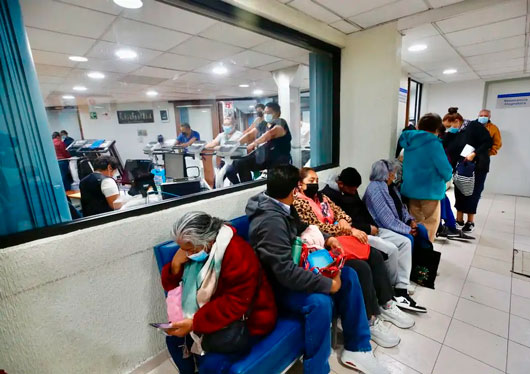
Given the growing demand, a team of 50 specialist doctors from different clinical areas, as well as social work and psychology was consolidated. Photo Luis Castillo
Baranda commented that there was a patient of this guy and died for that cause. Hence the importance of having incorporated the committee into the psychologist Xenia Lorena López Martínez, who made a stay in Barcelona to train in this area. Now, in addition to providing accompaniment to patients and helping them understand their situation and taking advantage of life, he is in charge of creating subspecialty in the Institute for Human Resources training.
It turns out that this study area does not exist anywhere. In Barcelona it is called Liaison Squiatry, and that Spain is a leader in organ transplantation. (The day)
