
Back Pain Plagues Millions: Is Modern Life to Blame?
That subtle ache after a day at your desk or a slight twinge after exercising can turn into a chronic condition. The World Health Organization estimates 619 million people suffer from lower back pain, a figure projected to reach 843 million by 2050.
The Modern Work-Life Posture Problem
While numerous elements cause back pain, one frequently disregarded contributor involves our daily habits. **Kacey Russell**, a personal trainer at The Fitness Group, cautions against prolonged sitting, slouching, working from beds, or keeping fixed positions too long. “Poor posture is a big contributor,”
as reported by The Sun.
She adds, “While keeping your back straight is important, staying in any position for too long will do your back zero favours.”
According to the U.S. Bureau of Labor Statistics, Americans sit for an average of 6.5 hours daily, contributing to musculoskeletal issues (BLS 2023).
Daily Habits Triggering Chronic Back Pain
Exercising regularly won’t always prevent back pain. Overtraining or neglecting essential steps like stretching may backfire. Warming up and cooling down become essential for preventing muscle stiffness and injuries, warns **Russell**. Runners, weightlifters, and endurance athletes might experience tightness in the lower back by overlooking proper technique or recovery routines.
Not all back pain stems from posture and movement; nerve conditions like sciatica, previous injuries, or chronic stress can be the real reason. **Russell** suggests listening to your body: “If your pain doesn’t improve after a few weeks of rest and basic care, or if it starts interfering with everyday activities, it’s time to consult your GP.”
Simple Exercises to Relieve Lower Back Pain
Consider low-impact exercises to relieve stiffness and restore mobility. **Russell** recommends gentle movements to promote spinal health and flexibility. Here are a few expert-approved exercises:
Glute Bridge

Lie flat on your back with knees bent and feet hip-width apart. Press your feet into the floor and lift your hips toward the ceiling, squeezing your glutes. Hold for 10–15 seconds and slowly lower. Repeat several times.
Bird Dog
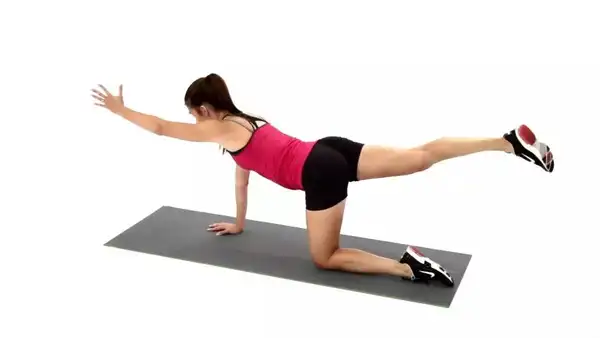
Begin on all fours, then extend your left leg behind you and right arm forward. Keep both limbs aligned with your body. Hold for 10–15 seconds, then switch sides.
Cat-Cow Stretch

Still on all fours, inhale while arching your back (cow), lifting your tailbone and gaze. Exhale while rounding your spine and tucking your chin (cat). Repeat the flow for 15 seconds.
Dead Bug
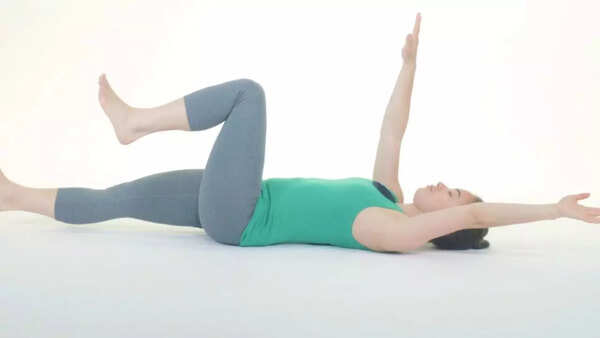
Lie on your back with arms reaching upward and knees bent at 90 degrees. Slowly extend your left arm back and right leg forward. Hover just above the floor, return to start, and alternate sides.
Why Rest Isn’t Always the Best Remedy
Complete inactivity can be counterproductive for lower back issues. “Movement like walking or swimming can actually help relax tight muscles,”
says **Russell**. She cautions against high-impact workouts or heavy lifting without a proper warm-up. Sharp, sudden, or immobilizing pain should always be assessed by a medical professional.
With millions projected to suffer from lower back pain, early awareness, intentional movement, and posture correction are critical. By tuning in to the signals and adjusting your habits, you might ease your current discomfort and prevent a lifetime of chronic pain.
