
Polish Art Exhibition Opens at Hermitage Foundation
Lausanne museum showcases works reflecting Poland’s struggle for independence before renovations.
An exhibition of Polish paintings from the 19th and 20th centuries has just opened at the Hermitage Foundation in Lausanne. The show, featuring loans from the National Museum of Warsaw, explores the quest for Polish independence through art prior to extensive renovations lasting 19 months.
Warsaw Museum Loans Masterpieces
The Hermitage Foundation is hosting a collection of Polish paintings, all loaned from the National Museum of Warsaw. These works provide insight into Polish artists’ efforts to capture a sense of national identity during times of upheaval.
A Break from Western Canons
The exhibition seeks to challenge conventional artistic expectations, presenting a different perspective from the traditional artistic centers of Paris, Rome, and Florence. The paintings reflect strength, continuity, and hope within seven decades of Polish art history.
Visitors may find themselves questioning familiar artistic norms when viewing the collection. The goal is to dismantle artistic conventions and break away from inheritances derived from Paris, Rome and Florence.
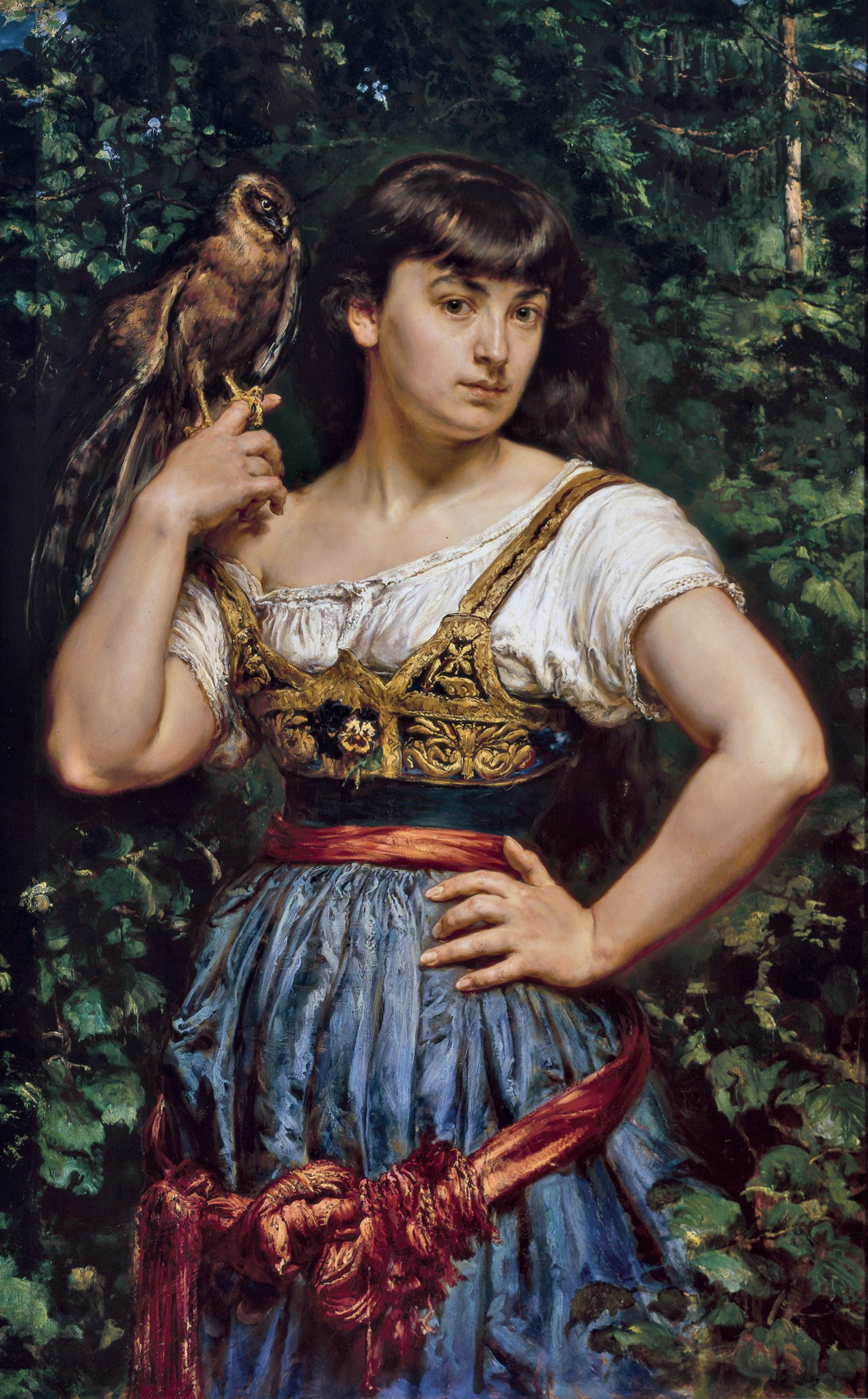
Reflecting National Identity
Comprising approximately one hundred works, the exhibition highlights pieces from the National Museum of Warsaw’s extensive collection. Though the term “masterpiece”
is subjective, these works showcase artists working within the realms of romanticism, realism, impressionism and symbolism.
According to a 2023 report by the Polish Ministry of Culture and National Heritage, cultural institutions like the National Museum in Warsaw play a crucial role in preserving and promoting national identity through art and historical artifacts.
The works often express a poignant, rather than overtly expressive, quality, as seen in **Stanislaw Lentz**’s “Young Shepherd,” depicting a child in rags who appears utterly alone.
Art as Cultural Resistance
The Hermitage Foundation’s exhibitions often aim to broaden visual understanding by introducing diverse cultural perspectives. This show, however, carries a particular weight, highlighting art created in defiance of historical erasure and in support of national independence.
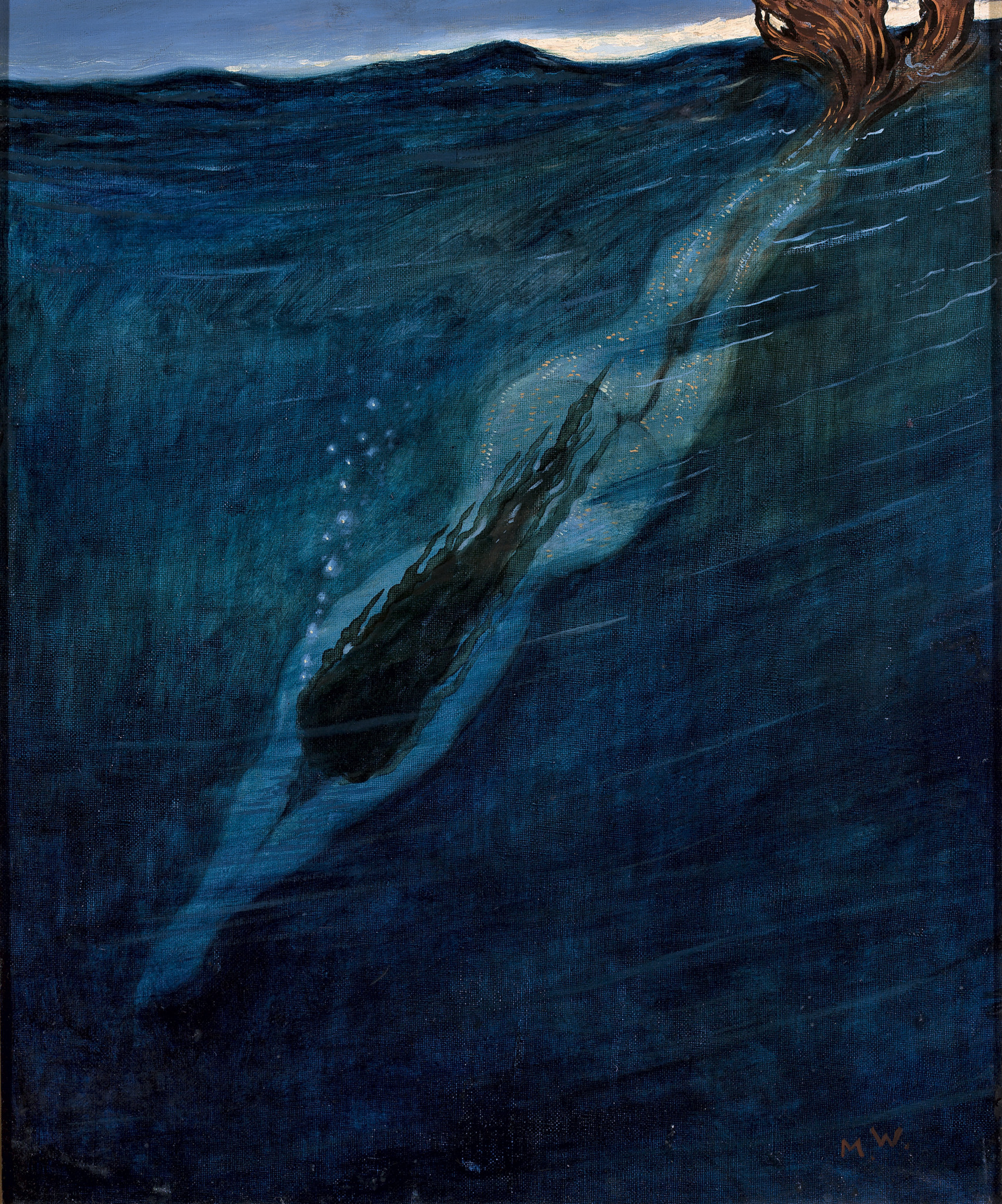
During the 18th and 19th centuries, Poland faced political disappearance, divided among Prussia, Russia, and Austria. The art on display reflects the longing for autonomy and the cultural resistance that persisted until the Second Republic of Poland was established in 1918.
The Power of Collective Memory
“Art has taken the status of a weapon in the fight to preserve the language and culture of the country, assuming the mission of consolidating the divided nation, shaping the vision of a millennial history where the solidarity of peasants and lords shone,”
states **Agnieszka Lajus**, director of the National Museum of Warsaw.
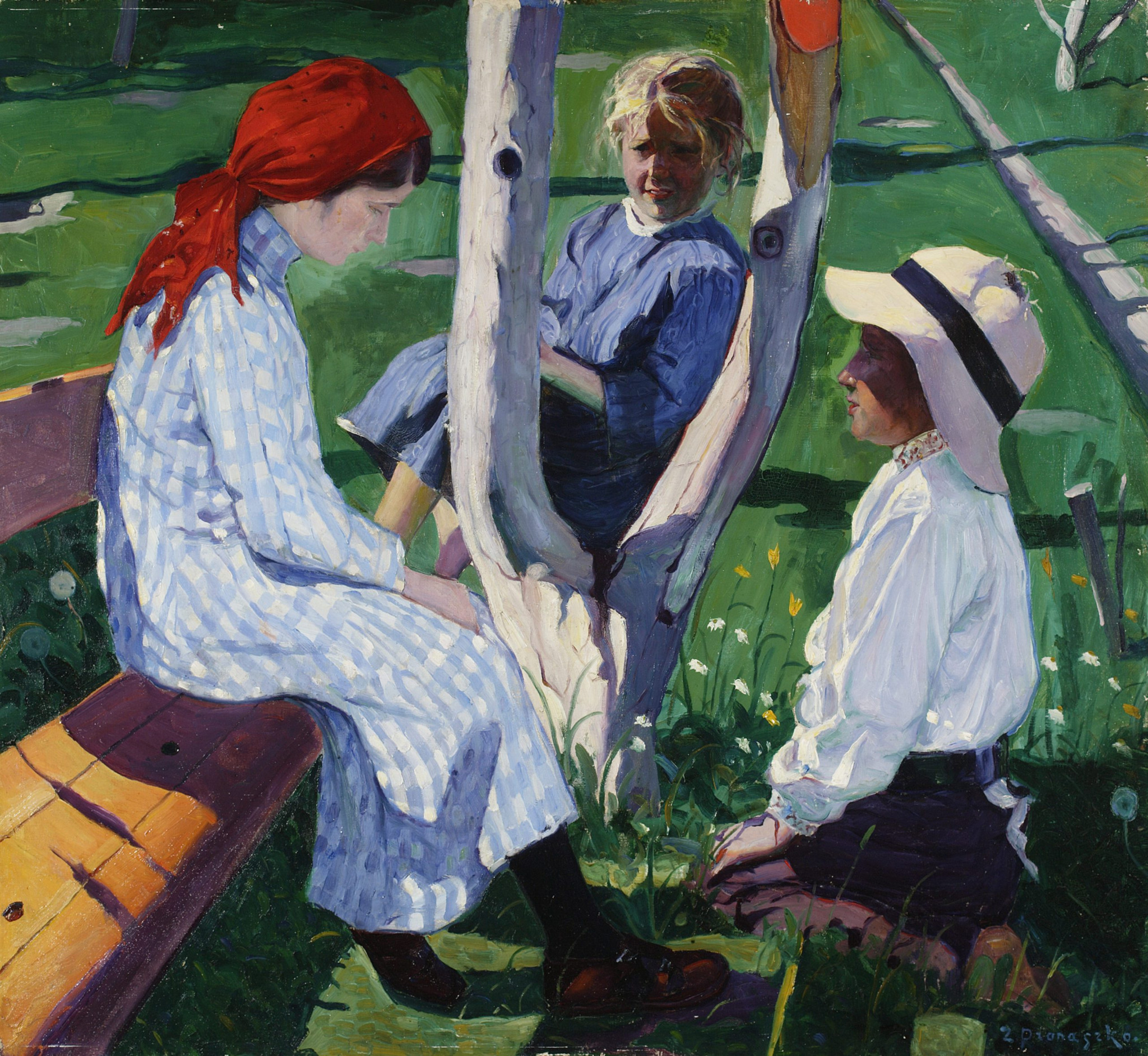
The exhibition emphasizes the collective effort to reclaim Polish history. The portraits, landscapes, and depictions of folklore convey a national consciousness determined to rebuild its narrative from 1772.
The exhibition runs until November 9. The Hermitage is open Tuesday to Sunday from 10 AM to 6 PM, and Mondays from 10 AM to 2 PM. More information is available at fondation-hermitage.ch/.
