
Israeli Hostage Release Deal Faces Political Hurdles Amid New Ceasefire Proposal
Table of Contents
- Israeli Hostage Release Deal Faces Political Hurdles Amid New Ceasefire Proposal
- Far-Right Ministers Plot to Derail Hostage Release
- Opposition Offers a Lifeline
- Families of Hostages Express Outrage
- New Qatari Proposal on the Table
- Negotiation Challenges Remain
- Evergreen insights: The Broader Context of the Israeli-Palestinian Conflict
- Frequently Asked Questions About the Hostage Release Deal
A potential agreement for a ceasefire and the release of hostages held in Gaza is facing significant political obstacles in israel, even as a new proposal has been put forth by Qatar.Far-right National Security Minister Itamar Ben Gvir and Finance Minister Bezalel Smotrich are reportedly considering joint actions to thwart the deal,raising concerns about the future of negotiations and the fate of the hostages. The situation unfolds as families of hostages express their desperation for their loved ones’ return, and the opposition offers support to Prime Minister Netanyahu to overcome the internal resistance.
Far-Right Ministers Plot to Derail Hostage Release
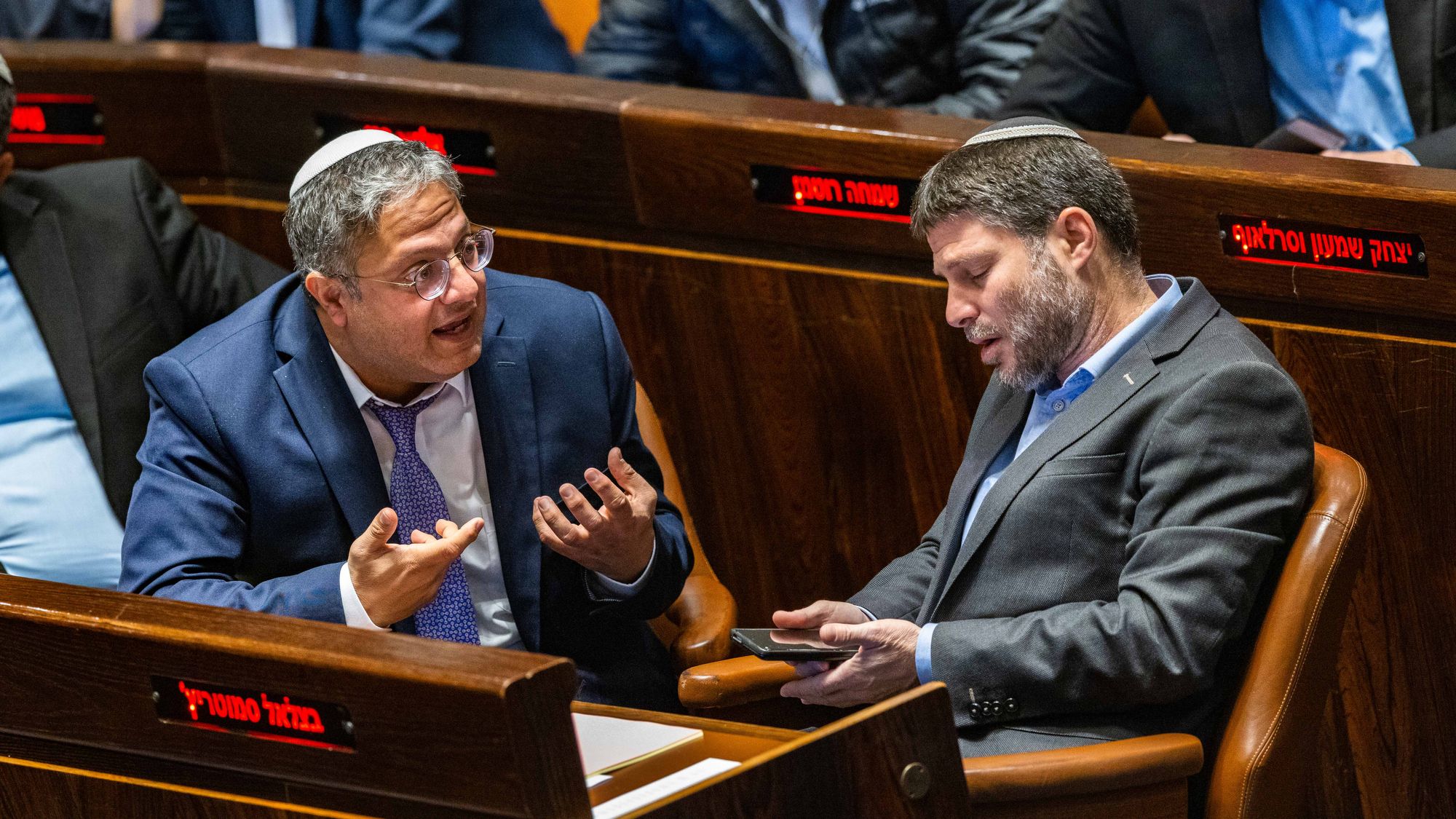
National Security Minister Itamar Ben Gvir and Finance Minister Bezalel Smotrich are exploring ways to jointly block a possible ceasefire and hostage release agreement in the Gaza Strip. Ben Gvir reportedly contacted Smotrich to propose a meeting, believing that their combined influence could prevent the agreement from moving forward. However, Smotrich’s representatives have denied any such contact, condemning the media reports as “dialog games.”
Did You Know? The political instability in Israel has led to multiple elections in recent years, reflecting deep divisions within the government and society.
Opposition Offers a Lifeline
in response to the potential obstruction by the far-right, opposition leader Yair Lapid has offered Prime Minister Benjamin Netanyahu crucial parliamentary support. Lapid stated that he would provide 23 votes to offset the potential loss of 13 votes from Ben Gvir and Smotrich, emphasizing the urgency of bringing the hostages home.”In exchange for the 13 votes from Ben Gvir and Smotrich, you have 23 votes from me,” he declared.
Families of Hostages Express Outrage
The families of the hostages have reacted with fury to the attempts to sabotage a potential release. the Hostages and Missing Families Forum issued a scathing statement condemning Smotrich and Ben Gvir, accusing them of forgetting the values of solidarity and mutual responsibility upon which Israel was founded. Merav, the mother of hostage Guy Gilboa Dalal, stated that the ministers’ ideology is the reason her son remains captive. Einav Zangauker, mother of Matan, directly attacked the ministers, accusing them of intending to thwart her son’s return.
New Qatari Proposal on the Table
Amid the political turmoil,qatar has presented a new proposal for the release of hostages. According to diplomatic sources, the agreement includes a 60-day ceasefire, with the release of eight living hostages on the first day, followed by two more on the 50th day of the truce. The plan also involves the release of 18 hostages’ bodies in three phases, the withdrawal of the IDF from the Morag Corridor, and the intensification of humanitarian aid to Gaza.
Pro Tip: monitoring international news sources and diplomatic statements can provide valuable insights into the complexities of the Israel-Hamas conflict.
Negotiation Challenges Remain
Despite optimism among negotiators, differences persist between the parties, particularly regarding the conditions for ending the war and the extent of the Israeli military withdrawal. The opposition from far-right ministers could further complicate these already fragile negotiations. The situation remains fluid, with the potential for significant shifts in the coming days and weeks. The United Nations Security Council has called for full and immediate implementation of resolutions aimed at achieving a lasting peace [[UN security Council Resolutions]].
| Proposal Element | details |
|---|---|
| Ceasefire Duration | 60 days |
| Initial Hostage Release | 8 living hostages on day 1 |
| Subsequent Hostage Release | 2 living hostages on day 50 |
| Release of Deceased Hostages | 18 bodies in 3 phases |
| IDF Withdrawal | From Morag Corridor |
| Humanitarian Aid | Intensification to Gaza |
Ceasefire Agreements and Hostage Releases: A Timeline
Previous agreements between Israel and Hamas have resulted in temporary ceasefires and the exchange of hostages for prisoners [[3]]. These agreements often involve complex negotiations and are subject to political and logistical challenges. The current proposal aims to build on these past efforts, but faces significant hurdles.
What are the long-term prospects for peace between Israel and Hamas?
How can international actors effectively support the negotiation process?
Evergreen insights: The Broader Context of the Israeli-Palestinian Conflict
the Israeli-Palestinian conflict is a long-standing dispute with roots in territorial claims and national aspirations. The conflict has involved numerous wars, uprisings, and peace initiatives, none of which have resulted in a lasting resolution. Key issues include the status of Jerusalem, the borders of a future Palestinian state, and the right of return for Palestinian refugees. The conflict has had a profound impact on the region and continues to be a major source of instability.
Frequently Asked Questions About the Hostage Release Deal
- What are the main obstacles to a lasting peace between Israel and Palestine?
- Key obstacles include disagreements over borders, the status of Jerusalem, security concerns, and the division of resources.
- How does international involvement affect the conflict?
- International actors can play a role in mediating negotiations, providing humanitarian aid, and exerting diplomatic pressure on the parties involved.
- What is the role of Hamas in the conflict?
- Hamas is a Palestinian Islamist organization that governs the gaza Strip and has engaged in armed conflict with Israel. It is indeed considered a terrorist organization by some countries.
- What is the current humanitarian situation in Gaza?
- The humanitarian situation in Gaza is dire, with limited access to clean water, electricity, and medical supplies.The ongoing conflict has exacerbated these challenges.
- What are the prospects for a two-state solution?
- The two-state solution, which envisions an independent Palestinian state alongside Israel, remains the most widely supported framework for resolving the conflict, but faces significant obstacles.
Disclaimer: This article provides news and context regarding the Israeli-Palestinian conflict and does not offer legal or financial advice.
Stay informed and join the conversation! Share this article and let us know your thoughts in the comments below. Subscribe to World Today News for the latest updates on global events.
