
Campo Bom Faces Low influenza Vaccination rates Amid Winter Surge
Table of Contents
- Campo Bom Faces Low influenza Vaccination rates Amid Winter Surge
- Alarming Death Toll Linked to Unvaccinated Individuals
- Vaccination Rates Lagging Among Priority Groups
- Free Vaccination Available to All Residents
- Call to Action: Protect Yourself and Your Community
- Understanding Seasonal Influenza: An Evergreen Perspective
- Frequently Asked Questions About Influenza and Vaccination
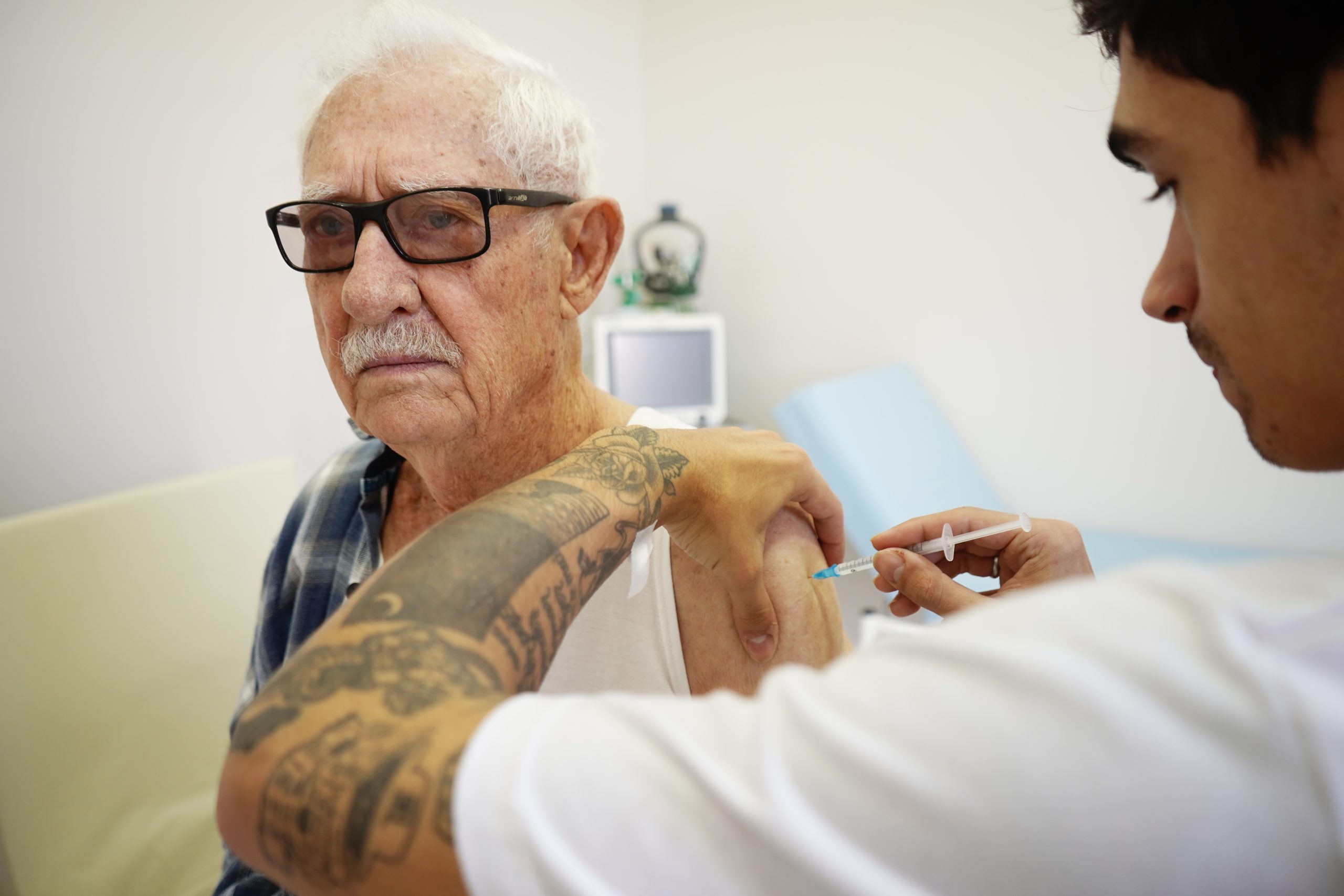
Campo Bom, Brazil, is grappling with a concerning public health challenge as influenza vaccination coverage remains critically low, just as the winter season threatens to exacerbate respiratory illnesses.The Municipal Secretariat of Health has issued an urgent alert, revealing that only 24.17% of the population, including both priority groups and the general public, has been vaccinated against the flu.
Alarming Death Toll Linked to Unvaccinated Individuals
Laboratory-confirmed influenza cases in Campo Bom have resulted in five tragic deaths. Four of these individuals were unvaccinated and had pre-existing health conditions (comorbidities). The fifth was an 87-year-old, also with comorbidities and a history of pulmonary disease. These data underscore the severe risks influenza poses, especially to the most vulnerable segments of the population [[1]].
Did You Know? The seasonal flu can lead to severe complications, including pneumonia, bronchitis, sinus infections and ear infections .
Vaccination Rates Lagging Among Priority Groups
Of the 15,203 flu vaccine doses administered to date, coverage within priority groups is particularly concerning, reaching only 45.60% of the target population. Specifically, 5,833 doses were given to the elderly, 1,250 to children, and a mere 256 to pregnant women.among the general population, 7,864 doses were administered, representing a meager 16.80% of the total population.
Pro Tip: The CDC recommends that everyone six months and older receive an annual flu vaccine. Vaccination is particularly important for people at high risk of serious flu complications.
Free Vaccination Available to All Residents
The City Hall emphasizes that influenza vaccination is available free of charge at all health facilities, serving as the primary defense against severe forms of the flu. The vaccine is considered safe and effective, significantly reducing the risk of serious respiratory complications that can lead to hospitalization and even death [[2]].
Mayor Giovani Feltes expressed his concern, stating, “The data is worrying. The vaccine protects,especially the most vulnerable. We need the collaboration of the entire population to avoid new losses and relieve the health system this winter.”
Call to Action: Protect Yourself and Your Community
The Secretariat of Health urges all residents, even those not belonging to priority groups, to visit their nearest health unit and get vaccinated. The time to act is now, before the full force of winter exacerbates the influenza threat.
| Group | Doses Administered | Coverage rate |
|---|---|---|
| Elderly | 5,833 | N/A |
| Children | 1,250 | N/A |
| Pregnant Women | 256 | N/A |
| General Population | 7,864 | 16.80% |
| Overall | 15,203 | 24.17% |
Why is Influenza Vaccination Coverage So Low?
Several factors may contribute to low vaccination rates,including misinformation about vaccine safety and effectiveness,lack of awareness about the severity of influenza,and logistical barriers to accessing vaccination services. addressing these issues through targeted public health campaigns and improved access to vaccines is crucial.
What are the Symptoms of Influenza?
Influenza, often called the flu, is a contagious respiratory illness caused by influenza viruses. It can cause mild to severe illness, and at times can lead to death. Flu symptoms can include fever, cough, sore throat, runny or stuffy nose, muscle or body aches, headaches, and fatigue .
Understanding Seasonal Influenza: An Evergreen Perspective
Seasonal influenza is an acute respiratory infection caused by influenza viruses that circulate globally [[2]]. While most people recover without medical treatment, influenza can lead to severe illness and death, particularly among high-risk groups [[1]]. Vaccination remains the most effective way to prevent influenza and its complications.
The World Health Organization (WHO) emphasizes that seasonal influenza represents a year-round disease burden, causing illnesses of varying severity, sometimes leading to hospitalization and death [[3]]. Public health measures, including vaccination and hygiene practices, are essential to mitigate the impact of influenza outbreaks.
Frequently Asked Questions About Influenza and Vaccination
This section addresses common questions about influenza, its prevention, and the importance of vaccination.
Disclaimer: This article provides general facts about influenza and vaccination. Consult with a healthcare professional for personalized medical advice.
What steps will you take to protect yourself and your family from the flu this winter? Share your thoughts in the comments below and subscribe for more health updates!
