
Ticks: Know the Risks and How to Protect Yourself
As outdoor activities increase, so does the risk of tick bites. These tiny parasites can transmit diseases, making it essential to understand how to avoid them and what steps to take if bitten. Vigilance is key throughout the year, not just during the warmer months.
The Year-Round Threat of Ticks
Ticks pose a year-round threat, according to experts. Sam Telford, an infectious diseases specialist, emphasizes that “every season is tick season.” This underscores the importance of continuous caution.
The distribution of tick populations varies geographically. Some areas, such as parts of the Northeastern United States, are experiencing above-average numbers of American dog ticks this year, as noted by Telford.
How Ticks Spread Diseases
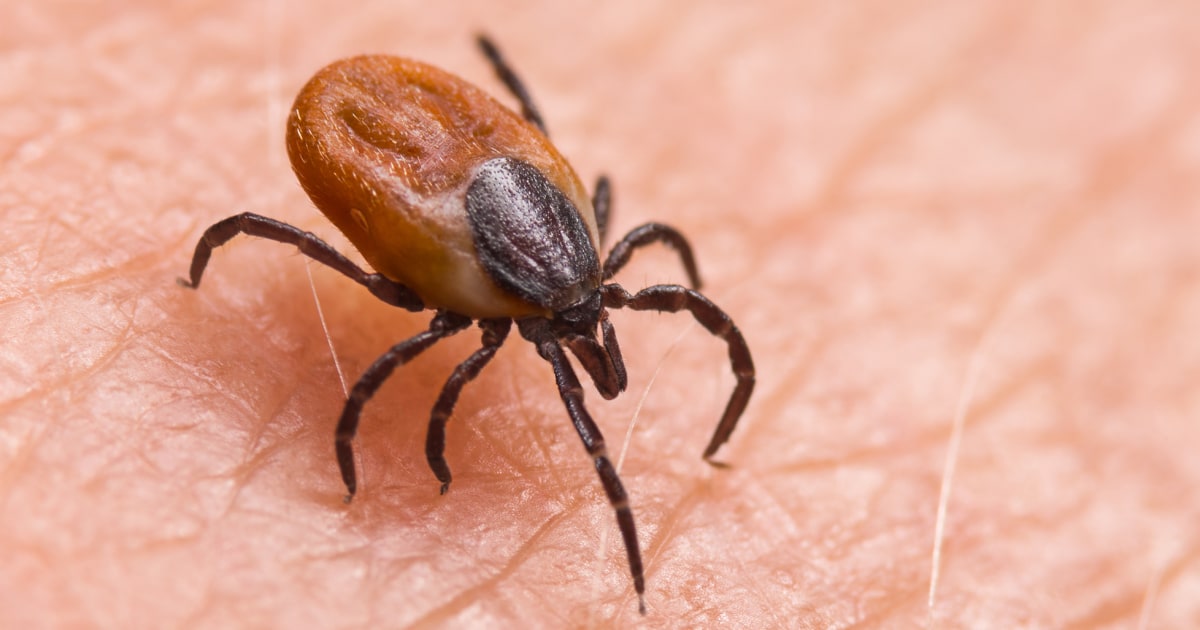
Ticks, similar to mosquitoes, feed on blood; however, they do so slowly, attaching themselves to the skin of various hosts, including humans. The primary concern is the blacklegged tick, often called the deer tick, which can transmit Lyme disease. While once mainly found in certain regions, these ticks are now present over a broader area.
“If you remove a tick within 24 hours of attachment, it’s fairly unlikely that you will get infected,”
—Sam Telford
Tick Prevention Strategies
Minimizing exposure is the best approach to avoiding ticks. Insect repellents containing DEET can be applied to exposed skin to deter ticks and mosquitoes, as stated by Telford. Wearing long sleeves and pants is also recommended.
Clothing can be treated with permethrin, a chemical similar to a natural compound found in chrysanthemums. This helps repel ticks.
Protecting Pets
Outdoor pets also need protection. Medications can prevent fleas and ticks from attaching to a dog’s skin. It’s still a good idea to check pets after being outside.
Saravanan Thangamani highlights that ticks often attach where pets cannot groom themselves, such as on ears, around the muzzle, under collars, and between toes. Furthermore, ticks brought indoors by pets can survive for months, potentially seeking a human host.
According to the Centers for Disease Control and Prevention, Lyme disease is the most commonly reported vector-borne illness in the United States. In 2022, there were over 40,000 confirmed cases (CDC 2023).
