
Sydney Woman Avoids Jail After Illegally Importing 62 Tonnes of Pork
Table of Contents
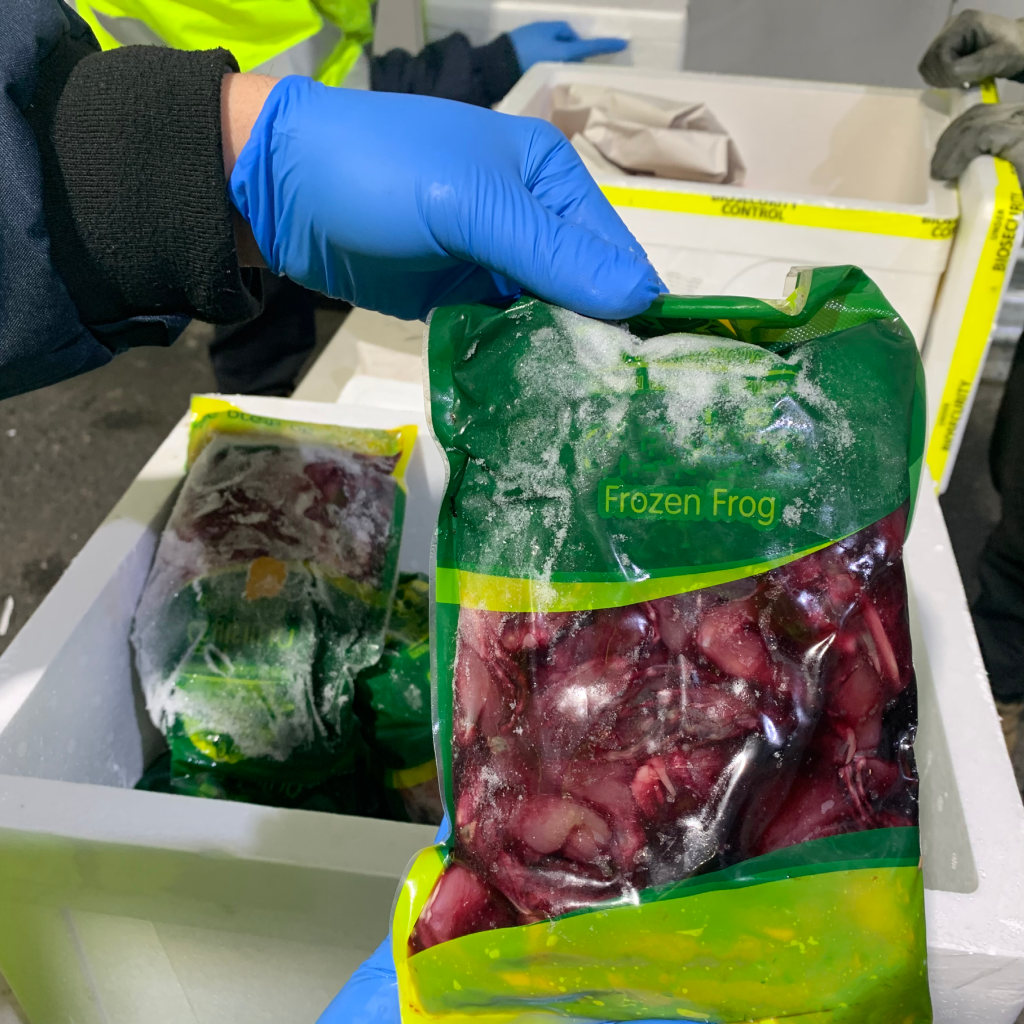
A woman in Sydney has avoided a jail sentence after being convicted of illegally importing 62 tonnes of pork and other animal products from Thailand.Instead, on June 11th, she received an Intensive Correction Order (ICO) to be served in the community, along with 150 hours of community service. The illegally imported pork,along with prawns,frogs,and insect-infested produce,was deliberately misdeclared in import documents and intended for sale on Sydney’s black market.
Details of the Illegal Importation
The imported goods, which included pork meat – a high-risk source of Foot and Mouth Disease – were discovered after a tip-off to the Department of Agriculture, Forestry and Fisheries (DAFF).
Did You Know? Foot and mouth Disease can devastate livestock industries, causing significant economic losses.
Operation Torch identified the woman, and authorities intervened to seize the goods and mitigate the biosecurity risk. The charges included product substitution and the presentation of false and misleading documents to evade biosecurity controls.
The NSW Corrective Services website defines an ICO as a custodial sentence of up to two years that the court deems suitable to be served in the community.
Biosecurity Risks and Penalties
Justine Saunders, DAFF deputy secretary of biosecurity, compliance and operations, emphasized the strictness of Australia’s biosecurity rules. “Individuals can face up to ten years in jail and up to $1.6 million in fines if they breach our biosecurity laws,” Saunders stated.The importation of such a large quantity of food, some infested with live pests, posed significant biosecurity risks to Australia. Australia remains free from many pests, weeds, and diseases that affect agricultural productivity and the environment in other parts of the world, according to the Department of Agriculture and Water Resources [[1]].
Pro Tip: Always declare food and agricultural items when entering Australia to avoid penalties and protect the country’s biosecurity.
The DAFF intervened to ensure the goods were seized and the biosecurity risk was mitigated. Illegal activity can undermine Australia’s animal, plant, and human health status, and also its global reputation.
Timeline of Events
| Date | Event |
|---|---|
| June 11, 2025 | woman convicted on nine counts against the Biosecurity act 2015. |
| June 11, 2025 | Sentenced to 24 months imprisonment via Intensive Corrections Order. |
| June 11, 2025 | Ordered to serve 150 hours of Community Service. |
Australia’s Biosecurity Measures: An Ongoing effort
Australia’s stringent biosecurity measures are crucial for protecting its agricultural industries, environment, and public health. The country’s geographical isolation has helped it remain free from many pests and diseases that affect other parts of the world. The department of Agriculture, Fisheries and Forestry continuously updates and enforces biosecurity regulations to address emerging threats and maintain the integrity of its biosecurity system. These measures include strict import controls,quarantine procedures,and surveillance programs.
Frequently Asked Questions About Illegal Pork Imports
Why is importing pork illegally such a serious offense?
Importing pork illegally bypasses critical biosecurity checks designed to prevent the introduction of diseases like Foot and Mouth Disease, which could devastate Australia’s livestock industry.
Illegally imported food products are typically destroyed to eliminate any potential biosecurity risks they pose to Australia’s environment and agricultural sector.
how can the public report suspected illegal food imports?
The public can report suspected illegal food imports to the Department of Agriculture, Fisheries and Forestry through their website or by calling their hotline.
What measures do you think are most effective in preventing illegal food imports? How can consumers play a role in supporting biosecurity efforts?
