
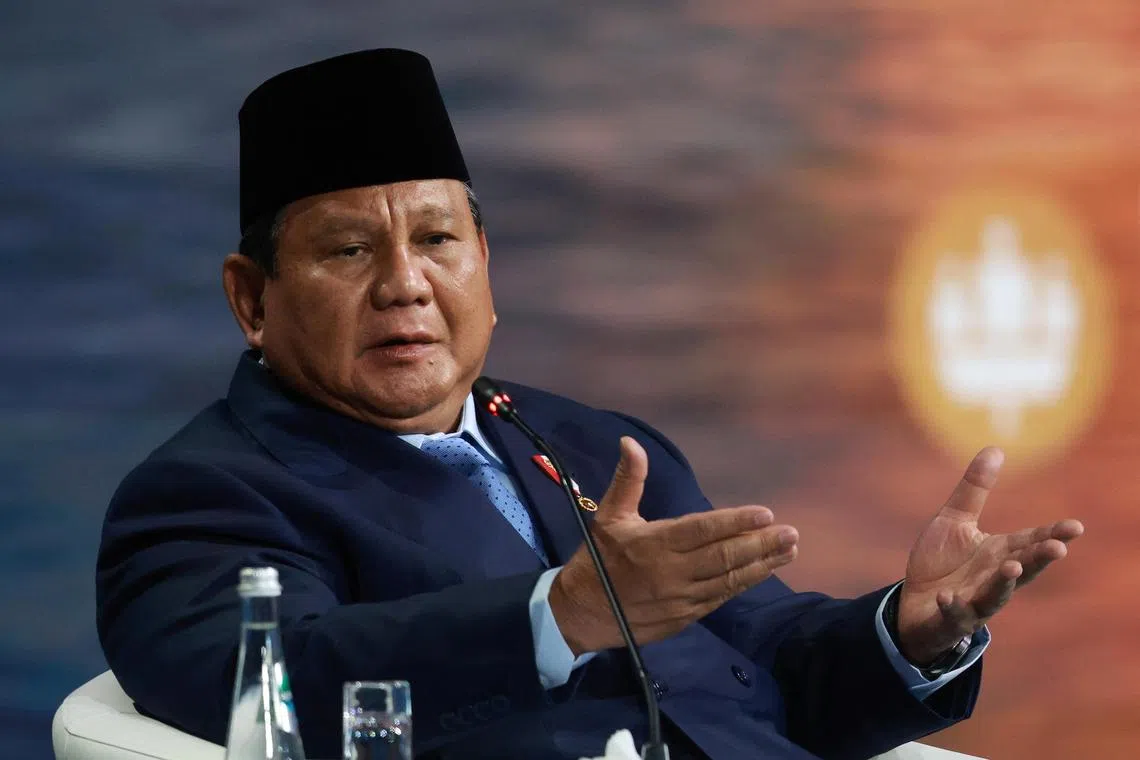
Indonesia Adjusts Spending on Ambitious Free Meals Program
Indonesia revises spending on its free meals program, targeting 83 million. The initiative aims to combat stunting but faces logistical and financial challenges.">
Jakarta – Indonesia is recalibrating its spending for the highly anticipated free nutritious meals program,a flagship initiative of President Prabowo Subianto. While still potentially the world’s second-largest program of its kind,the adjustments offer some fiscal relief as the president pursues other notable projects. The World Food Program reported in 2022 that 41% of primary students globally have access to free or subsidized meals [1].
revised Budget and Targets
The program, which aims to provide meals five days a week to students, children under five, and pregnant or breastfeeding women, now has a projected expenditure of 350 trillion rupiah (approximately $27.5 billion USD) for the coming year. This figure reflects a 22% decrease from initial estimates, primarily due to revised ingredient cost assessments, according to Dadan Hindayana, head of the National Nutrition Agency. Expenditures for the current year are anticipated to total around $7.5 billion USD, a 29% reduction from previous plans.
Did You Know? The Indonesian government aims to reduce stunting to 14% by 2024 UNICEF.
Challenges and Implementation
Despite the budget adjustments, officials are still aiming to reach all 83 million intended recipients by the end of the year. This ambitious goal requires a sixteen-fold increase from the current reach of five million individuals. Logistical hurdles, including instances of food poisoning and the complexities of distribution across Indonesia’s vast archipelago of over 17,000 islands, have complex the rollout. The government plans to deploy approximately 30,000 university graduates to manage kitchen units to accelerate the program’s expansion.
A significant challenge lies in securing private sector investment to establish the necessary infrastructure. The government envisions the private sector setting up around 32,000 kitchens to source, prepare, and distribute the meals. Currently, fewer than 1,900 kitchens are operational. The high cost of establishing a single kitchen, estimated at $183,000 USD with a potential two-year break-even period, has deterred many potential investors, according to Professor Aditya Perdana from the University of Indonesia.
Economic Implications and Concerns
The recalibration of the free meals program could alleviate some investor concerns regarding Indonesia’s budget deficit outlook, especially as President Subianto pushes forward with other large-scale projects, including consumer stimulus measures and an $80 billion USD sea wall project.Analysts at Nomura Holdings Inc. have projected a fiscal deficit of 2.9% of GDP for Indonesia this year, exceeding the budgeted 2.5% and nearing the legal limit of 3.0%. They attribute this forecast to factors such as weak economic growth, low commodity prices, and accelerated spending plans, including those for the free meals program.
Pro Tip: Keep an eye on Indonesia’s mid-year budget review in July for updated fiscal deficit projections.
Food Supply and Future Plans
Meeting the demand for food inputs is another critical challenge. The program intends to source ingredients such as eggs, chicken, fish, vegetables, and fruit locally.However, Dadan Hindayana noted that milk demand is expected to surpass supply, prompting the government to consider importing up to 1.5 million dairy cows from countries like Australia, New Zealand, Brazil, the US, and European nations, potentially tripling the nation’s existing herd.
Program Goals
The free-meal program is designed to tackle stunting, which affects 21.5 per cent of children in Indonesia [2]. The Southeast Asian nation aims to reduce the rate to 14 per cent UNICEF.
President Subianto has acknowledged the challenges associated with the free meals initiative but emphasizes its importance as a long-term investment in Indonesia’s future.He aims to prove the program’s feasibility and success by December 2025.
| Program Aspect | Original Plan | Revised Plan |
|---|---|---|
| Target Recipients | 83 million | 83 million |
| Next year’s Spending | ~449 Trillion Rupiah | 350 Trillion Rupiah (~$27.5 Billion USD) |
| This Year’s Spending | ~$10.5 Billion USD | ~$7.5 Billion USD |
indonesia’s Free Meal Program: Key Facts
- Aims to provide free, nutritious meals to over 60 million school-age children [[3]].
- The program began on January 6, 2025 [[3]].
What impact do you think this program will have on Indonesia’s future?
How can Indonesia overcome the logistical challenges of distributing meals across its many islands?
Evergreen insights: Background, context, Historical trends
Indonesia’s focus on nutrition aligns with global efforts to combat malnutrition and stunting, particularly in developing nations. School meal programs have a proven track record of improving children’s health,educational outcomes,and economic productivity. The success of Indonesia’s program could serve as a model for other countries facing similar challenges.
FAQ About Indonesia’s free Meals Program
- What is the main goal of Indonesia’s free nutritious meals program?
- The program aims to improve the health and nutritional outcomes of students, young children, and pregnant/breastfeeding women, while also combating stunting.
- How many people are expected to benefit from the free meals program?
- The program targets reaching 83 million people across Indonesia.
- What are some of the challenges facing the implementation of the free meals program?
- Challenges include logistical difficulties in distributing meals across the archipelago, securing sufficient private investment for kitchen infrastructure, and ensuring an adequate supply of locally sourced food.
- How does the Indonesian government plan to address the potential shortage of milk for the program?
- The government is considering importing up to 1.5 million dairy cows to increase domestic milk production.
- What is the projected cost of the free meals program?
- The projected expenditure for the coming year is 350 trillion rupiah (approximately $27.5 billion USD), with current year expenditures estimated at $7.5 billion USD.
- When did the free nutritious meals program officially launch?
- The free nutritious meals program officially launched on January 6, 2025 [[3]].
Disclaimer: This article provides general details and should not be considered as financial or health advice. Consult with qualified professionals for specific guidance.
Share your thoughts on Indonesia’s free meals program in the comments below! Subscribe to World Today News for more updates on global development initiatives.
