
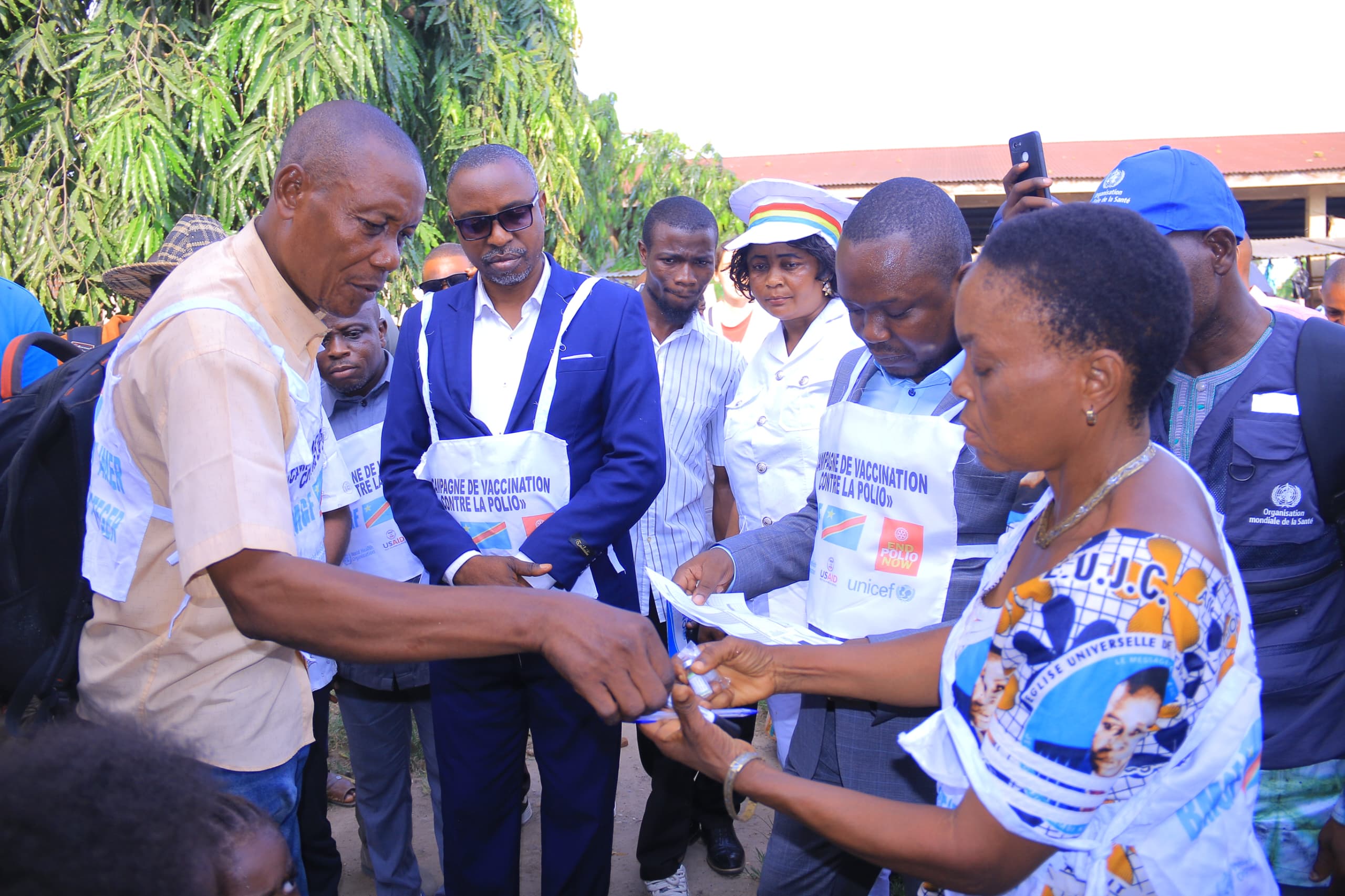
Polio Vaccination Campaign Launched in Maniema Province, DRC
Table of Contents
A critical polio vaccination campaign has commenced in the maniema province of the Democratic Republic of Congo (DRC) on Wednesday,June 25,aiming to protect over 800,000 children from this debilitating disease. The three-day operation spans six health zones: Alunguli, Kailo, Kindu, Lubutu, Ferekeni, and Obokote.
urgent Appeal to Parents
Dr. Walumba Omari, head of the Expanded vaccination Program (PEV) in kindu, has issued an urgent appeal to parents. He emphasizes the importance of keeping children at home to facilitate the work of vaccination teams employing a door-to-door strategy.
Did You Know? The oral polio vaccine (OPV) has been instrumental in eradicating polio in many parts of the world. However, in rare cases, it can cause vaccine-derived poliovirus (VDPV), highlighting the need for continued surveillance and robust vaccination programs.
“children are often active, especially during vacation. Therefore, it is crucial that parents or guardians are present to receive vaccinators and ensure every targeted child receives the polio vaccine,” Dr. Omari stated.
Context of Increased Health vigilance
This operation occurs amidst heightened health vigilance, as polio remains a persistent threat in areas with low vaccine coverage. The PEV underscores that this campaign is a vital step toward eradicating polio in the DRC, protecting children from this disabling disease .
Pro Tip: Check with your local health authorities to ensure your child’s vaccinations are up-to-date. Vaccination schedules may vary depending on your location.
Global Polio eradication Efforts
The global effort to eradicate polio has seen significant success. By 1994, polio had been eliminated from the Americas, and the Western Pacific was declared polio-free by 2000 [3]. However, the disease remains endemic in certain regions, requiring continued international collaboration and vaccination campaigns.
| Metric | Value |
|---|---|
| Targeted Children | 800,000+ |
| Age Group | 0-14 years |
| Duration | 3 days |
| Health Zones | 6 (alunguli, Kailo, Kindu, Lubutu, Ferekeni, Obokote) |
Polio Transmission and Symptoms
Poliomyelitis, commonly known as polio, is a highly infectious disease caused by the poliovirus.The virus spreads primarily through the faecal-oral route or, less frequently, through contaminated water or food [1]. While most poliovirus infections are asymptomatic, 5 to 10 out of every 100 infected individuals may experience flu-like symptoms [2]. In about 1 in 200 cases,the virus can destroy parts of the nervous system,leading to paralysis [2].
Evergreen Insights: Polio and Vaccination
Polio is a crippling and perhaps deadly infectious disease caused by the poliovirus. The virus spreads from person to person and can invade an infected person’s brain and spinal cord, causing paralysis. Polio mainly affects children under 5 years of age [1].
Vaccination is the most effective way to prevent polio. The Global Polio Eradication Initiative (GPEI), launched in 1988, has led to a significant reduction in polio cases worldwide through widespread immunization campaigns.
Frequently Asked Questions About Polio
- what is polio and how does it spread?
- Polio is a highly infectious viral disease that primarily affects children. It spreads through person-to-person contact, mainly via the faecal-oral route or contaminated water and food [1].
- How effective is the polio vaccine?
- The polio vaccine is highly effective in preventing polio. Multiple doses provide lifelong protection against the disease.
- Are there any side effects of the polio vaccine?
- The polio vaccine is generally safe. Mild side effects, such as fever or soreness at the injection site, may occur. In extremely rare cases, the oral polio vaccine can cause vaccine-derived poliovirus (VDPV).
Disclaimer: This article provides general information and should not be considered medical advice. Consult with a healthcare professional for any health concerns or before making any decisions related to your health or treatment.
What are your thoughts on global vaccination efforts? Share your comments below and subscribe for more updates on global health initiatives!
