
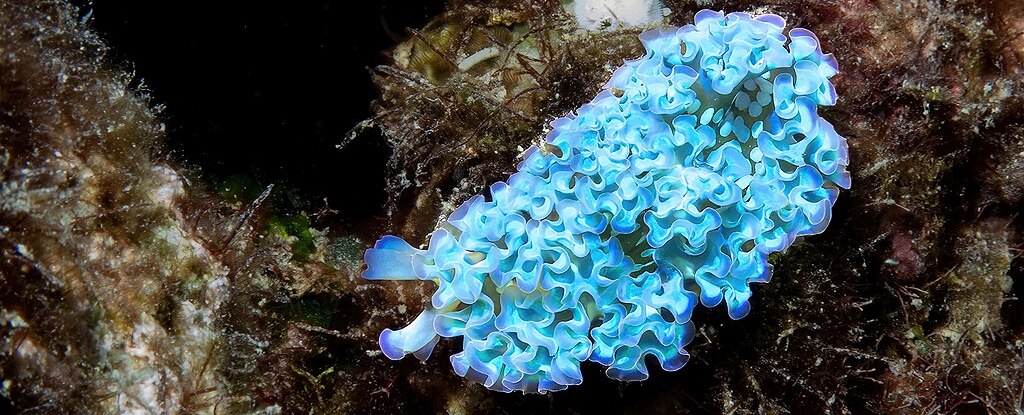
Lettuce Sea Slug’s Chloroplast Theft: How It Harnesses Solar power
Table of Contents
- Lettuce Sea Slug’s Chloroplast Theft: How It Harnesses Solar power
In a bizarre case of biological piracy, the lettuce sea slug (Elysia crispata) has been found to steal chloroplasts from algae, effectively turning itself into a solar-powered organism. This remarkable ability, where the slug incorporates algal organelles to generate energy from sunlight, has captivated scientists for years, and new research from Harvard biologists is shedding light on the intricate mechanisms behind this phenomenon [1].
The Mechanics of Chloroplast Theft
Instead of digesting the chloroplasts, the slug diverts them into specialized sacs within its intestinal cells. These sacs, now termed ‘kleptosomes,’ act as protective enclosures, maintaining the chloroplasts’ functionality [2]. The chloroplasts are then transported to structures on the slug’s back, where they can efficiently capture sunlight.
Did You Know? The term “kleptoplasty” describes the process where an organism steals plastids, like chloroplasts, from another organism.
Kleptosomes: Protecting the Stolen Goods
The Harvard team’s chemical analyses revealed that the stolen chloroplasts not only continued to produce algal proteins, indicating their sustained function, but also incorporated slug proteins.This suggests that the sea slug actively works to keep the chloroplasts alive and functioning, showcasing a remarkable symbiotic relationship [3].
Color as an Indicator of Health
lettuce sea slugs exhibit a range of colors, and the recent Harvard study indicates that these color variations may reflect the slug’s health. Well-fed slugs typically display a vibrant green hue, while those deprived of food often turn orange [4].This color change suggests that the slug resorts to digesting the chloroplasts when choice food sources are scarce.
Pro tip: Observing the color of a lettuce sea slug can provide insights into its nutritional status and the functionality of its stolen chloroplasts.
Beyond Solar Panels: The Multifaceted Role of Chloroplasts
Corey allard, a cellular biologist at Harvard, suggests that the function of these chloroplasts may extend beyond simple solar energy production. They could serve as food reserves, camouflage, or even a defense mechanism, making the slug less palatable to predators [5]. The multifaceted role of these stolen organelles highlights the complexity of this biological phenomenon.
| Aspect | Description |
|---|---|
| Chloroplast Acquisition | Slugs consume algae and sequester chloroplasts into specialized sacs. |
| Kleptosomes | Membranes that protect and maintain the functionality of stolen chloroplasts. |
| Color Variation | Green indicates well-fed; orange suggests chloroplast digestion. |
| Chloroplast Functions | Energy production,food reserve,camouflage,defense. |
Implications for Evolutionary Biology
Understanding this unique form of symbiosis could provide valuable insights into the broader context of how organisms acquire abilities from others. It may also offer clues about the origins of organelles like mitochondria, which are hypothesized to have evolved through a similar process of endosymbiosis [6].
Evergreen Insights: Background, Context, Past Trends
The phenomenon of kleptoplasty, where organisms steal and utilize plastids from other organisms, has been observed in various marine species, but the lettuce sea slug’s ability to maintain functional chloroplasts for extended periods is particularly remarkable. This research builds upon decades of investigation into the mechanisms of photosynthesis and symbiosis, offering new perspectives on the evolution of cellular complexity.
Frequently Asked Questions About Lettuce Sea Slugs and Chloroplast Theft
- How does the lettuce sea slug steal chloroplasts?
- The lettuce sea slug consumes algae and diverts the chloroplasts, the algae’s photosynthesizing organelles, into specialized sacs in its intestines. These sacs, called ‘kleptosomes,’ keep the chloroplasts alive and functioning.
- What are kleptosomes and what role do they play?
- Kleptosomes are membranes within the lettuce sea slug’s intestines that encapsulate the stolen chloroplasts. They prevent digestion and maintain the chloroplasts’ functionality, allowing them to continue photosynthesizing.
- Why is the lettuce sea slug’s chloroplast theft significant?
- This unique symbiosis provides insights into how organisms can acquire abilities from others. It may also shed light on the evolution of organelles like mitochondria, which are believed to have originated through a similar process.
- How long can the lettuce sea slug sustain itself using stolen chloroplasts?
- The lettuce sea slug can sustain itself for a significant period using the stolen chloroplasts. however,if no other food is available,the slug will eventually digest the chloroplasts.
- What determines the color of a lettuce sea slug?
- The color of a lettuce sea slug can indicate its health. Well-fed slugs are typically green, while those without food often turn orange, suggesting they are digesting their chloroplasts.
- Besides energy, what other roles might the chloroplasts play for the sea slug?
- Beyond providing energy through photosynthesis, the stolen chloroplasts may serve as food reserves, camouflage, or even a defense mechanism by making the slug taste bad to predators.
What other unbelievable adaptations do you think exist in the natural world? Share your thoughts in the comments below!
If you enjoyed this article, be sure to share it with your friends and subscribe to our newsletter for more interesting science news!
