
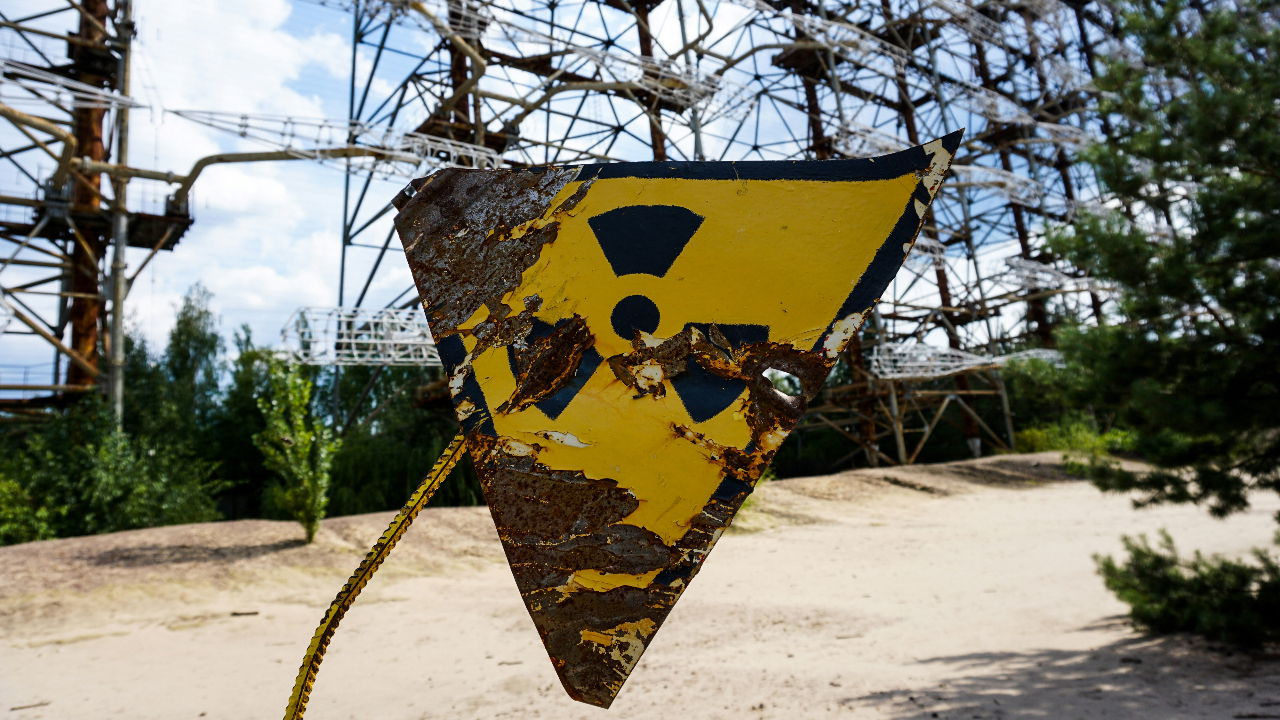
Understanding the Devastating Health Effects of Nuclear Explosions
Table of Contents
- Understanding the Devastating Health Effects of Nuclear Explosions
- Immediate and Short-Term Health Effects
- Long-Term consequences of Radiation Exposure
- Infectious Diseases After a Nuclear Event
- Stages of Health Effects After Nuclear explosion
- Evergreen Insights: Understanding Nuclear Energy and Its Risks
- frequently Asked Questions About Nuclear Explosion Health Effects
health effects of nuclear explosions, from immediate thermal injuries to long-term risks like cancer and genetic damage. Stay informed.">
The immediate aftermath of a nuclear explosion presents a cascade of devastating health consequences, ranging from thermal injuries and blast trauma to the insidious effects of ionizing radiation. Understanding these impacts is crucial for preparedness and mitigation efforts. The initial stages following a nuclear event are marked by a high mortality rate, primarily due to the immediate physical trauma [1].
Immediate and Short-Term Health Effects
The health consequences of a nuclear explosion are generally classified into several stages: initial (1-9 weeks), interim (10-12 weeks), late (13-20 weeks), and delayed (20+ weeks). The initial phase is characterized by:
- Thermal burns from the intense heat.
- injuries caused by the force of the explosion.
- Exposure to high levels of ionizing radiation.
Radiation poisoning, resulting from excessive exposure to ionizing radiation, disrupts cell division and leads to a range of severe health issues. These include prodromal syndrome (nausea, fever, diarrhea), bone marrow failure (reduced blood cell production), gastrointestinal damage, and nervous system failure.
Did You Know? The severity of radiation exposure depends on factors like distance from the blast, shielding, and time spent in affected areas.
Long-Term consequences of Radiation Exposure
Beyond the immediate devastation, exposure to ionizing radiation poses significant long-term health risks. These include:
- Increased risk of various cancers [2].
- Cataract progress.
- Infertility.
- Blood disorders.
- Genetic damage.
The severity of these effects is directly related to the radiation dose received, which varies based on individual exposure and the effectiveness of any shielding measures.
Pro tip: Seeking immediate medical attention and following guidance from public health officials are crucial steps in mitigating the effects of radiation exposure.
Impact on Prenatal Development
Exposure to radiation *in utero* carries particularly grave consequences. It can lead to birth defects, mental retardation, and a significantly increased lifelong risk of fatal cancers in the affected individuals.
Infectious Diseases After a Nuclear Event
Contrary to common concerns, the spread of infectious diseases after a nuclear war may be less likely than anticipated. This is primarily due to the dispersal of survivors to less populated areas and the disruption of conditions conducive to widespread disease transmission.
Stages of Health Effects After Nuclear explosion
| Stage | Timeframe | Primary health Concerns |
|---|---|---|
| Initial | 1-9 weeks | Thermal injuries, explosion trauma, high radiation exposure |
| Interim | 10-12 weeks | Ionizing radiation effects |
| Late | 13-20 weeks | Continued radiation exposure |
| Delayed | 20+ weeks | Long-term health consequences (cancer, genetic damage) |
Mitigation and Preparedness
While the health effects of nuclear explosions are severe, preparedness and mitigation efforts can significantly reduce the impact. These include:
- Developing and implementing effective emergency response plans.
- Educating the public on protective measures.
- Ensuring access to medical care and resources.
What measures do you think are most crucial for mitigating the health effects of a nuclear explosion? How can communities better prepare for such events?
Evergreen Insights: Understanding Nuclear Energy and Its Risks
Nuclear energy, derived from the nucleus of atoms, can be released through fission (splitting atoms) or fusion (combining atoms) [3]. while nuclear power offers a source of clean and reliable energy [2], the potential for catastrophic events like nuclear explosions necessitates stringent safety measures and international cooperation. The international atomic Energy Agency (IAEA) plays a crucial role in promoting the safe and secure use of nuclear technology [1].
frequently Asked Questions About Nuclear Explosion Health Effects
- What are the immediate health effects of a nuclear explosion?
- The immediate effects include thermal burns and injuries from the blast itself, leading to a high mortality rate in the initial weeks.
- How does ionizing radiation impact health after a nuclear explosion?
- Exposure to ionizing radiation can significantly increase the risk of developing cancer, cataracts, infertility, and blood disorders. Genetic damage is also a concern.
- What are the long-term health consequences for those exposed to radiation in utero?
- Exposure to radiation during pregnancy can lead to severe consequences for the child, including birth defects, mental retardation, and a heightened lifelong risk of developing fatal cancers.
- What is radiation poisoning and what are its symptoms?
- Radiation poisoning occurs when the body is exposed to excessive ionizing radiation, disrupting cell division and leading to various diseases. Symptoms can include nausea, fever, diarrhea, reduced blood cell production, gastrointestinal issues, and nerve system damage.
- Are infectious diseases a major concern after a nuclear war?
- While often a concern, evidence suggests that infectious diseases are less likely to spread widely after a nuclear war due to the dispersal of survivors to rural areas and the absence of crowded living conditions.
- how does shielding affect the severity of radiation exposure?
- The severity of health effects from radiation exposure depends on the dose received, which varies based on individual exposure levels and the degree of shielding available. Proper shielding can significantly reduce the impact of radiation.
Disclaimer: This article provides general facts about the health effects of nuclear explosions and should not be considered medical advice. Consult with qualified healthcare professionals for any health concerns.
Share this vital information to raise awareness and promote preparedness. What other questions do you have about the health impacts of nuclear events? Leave a comment below!
