
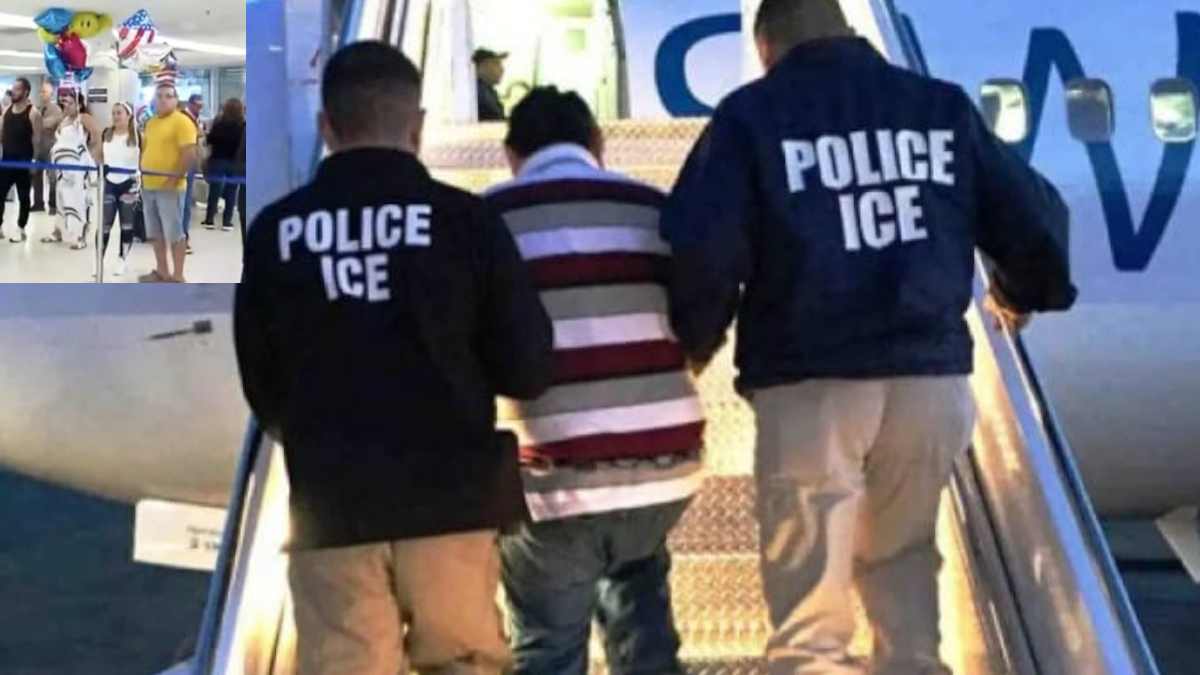
Cuban Migrant Fears Rise as US Work Permits Face Unexpected Revocation
A wave of anxiety is sweeping through Cuban communities in the United States as unexpected work permit revocations leave many migrants in a precarious legal situation. Since january 2025,a perceived hardening of migratory policies has resulted in some Cuban migrants losing their work authorizations,creating widespread fear and uncertainty about their future in the U.S.
Sudden Revocations Spark Panic
Reports from cities like Hialeah, Houston, and Union City indicate a growing sense of panic among Cuban migrants. According to the autonomous news site 14ymedio, the sudden suspension of parole and evolving interpretations of the Cuban Adjustment Act are contributing to the problem. One woman recounted how two of her colleagues were abruptly dismissed after their work permits were revoked without prior notice or explanation.
Did You Know? The Cuban Adjustment Act of 1966 allows Cuban nationals who have been present in the United States for at least one year to apply for permanent residency.
Maria Laura, a Cuban migrant in Hialeah, expressed her anxiety, stating she has already purchased an electric generator for her home in Cuba, anticipating potential deportation. She has also sent essential appliances, including an electric motorcycle and a washing machine, back to the island, metaphorically “packing both physical and mental suitcases.”
Legal Limbo and tough Choices
The situation is not isolated, with numerous Cubans reporting that their relatives have received official emails notifying them of work permit cancellations. One migrant, who wished to remain anonymous, expressed concern about the sequence of events: “First they take your work, then the silence comes, and then… who knows.”
This leaves Cuban migrants with a difficult dilemma: seek asylum and risk being unable to return to Cuba, or wait the required year under the Cuban Adjustment Act and hope that immigration rules do not change before then. The demand for legal assistance has surged, with lawyers reporting saturated waiting lists as every government letter is perceived as a potential threat.
Pro Tip: Consult with an immigration attorney to understand your rights and options if you are facing work permit revocation.
Impact on Cuban Migrant Communities
The current situation is creating significant emotional and economic strain on Cuban migrant communities. Many are facing job losses and financial instability, while also grappling with the fear of potential deportation. The historic wave of Cuban migrants is having a lasting impact on Florida, as they try to find work and housing [[1]].
One interviewee shared that her mother did not apply for asylum because she wanted to visit Cuba. Now, she is unemployed and fears deportation.The emotional rupture of leaving the island is compounded by the uncertainty of their legal status in the U.S.[[3]].
Cuban Migration to the U.S.: Key Statistics
| Metric | Details |
|---|---|
| Top Destination | United States [DHS] |
| Legal Pathways | Increased visa access in Havana as 2022 [State Dept.] |
| Adjustment Act | Allows application for permanent residency after one year |
What steps can be taken to alleviate the fears of Cuban migrants facing work permit revocations? How can the legal system better support these vulnerable communities?
Evergreen Insights: Background,Context,and Ancient Trends
Cuban migration to the United States has been shaped by political and economic factors in cuba. The Cuban Revolution in 1959 led to the first major wave of cuban exiles seeking refuge in the U.S. Subsequent economic hardships and political repression have fueled further migration. The U.S. government has historically offered various forms of support to Cuban migrants,including the Cuban Adjustment Act,which provides a pathway to permanent residency.
Though, changes in U.S. immigration policies and fluctuating relations between the two countries have created periods of uncertainty and challenges for Cuban migrants. The current situation reflects the ongoing complexities of this migration dynamic.
FAQ: Cuban Migrants and Work Permits
Why are Cuban migrants in the US facing work permit revocations?
Changes in the interpretation of the Cuban Adjustment Act and the suspension of parole programs have led to unexpected work permit revocations for some Cuban migrants in the United States.
What is the Cuban Adjustment Act?
The Cuban Adjustment Act allows Cuban natives or citizens arriving in the united States, typically without a visa, to apply for permanent resident status (a green card) after being physically present in the country for at least one year.
What are the potential consequences of losing a work permit for Cuban migrants?
Losing a work permit can lead to job loss, financial instability, and the risk of deportation for Cuban migrants in the US. It also creates significant emotional distress and uncertainty about their future.
Where are Cuban migrants experiencing the most anxiety about work permit revocations?
Cities with large Cuban populations, such as Hialeah, Houston, and Union City, are experiencing heightened anxiety among Cuban migrants due to the unexpected work permit revocations.
What options do Cuban migrants have if they lose their work permits?
Cuban migrants facing work permit revocation can either apply for asylum, which may prevent them from returning to Cuba, or wait for the one-year requirement under the Cuban Adjustment Act, hoping that immigration policies do not change meanwhile.
How has the US government attempted to manage cuban migration?
Since 2022, the United States has increased legal pathways to migration for Cubans, including visa access in Havana, in an effort to reduce illegal migration [[2]].
Disclaimer: This article provides general details and should not be considered legal advice. consult with a qualified professional for personalized guidance.
Share this article and join the conversation! What are your thoughts on the challenges faced by Cuban migrants in the U.S.? Subscribe to World Today News for more updates on immigration and global affairs.
