
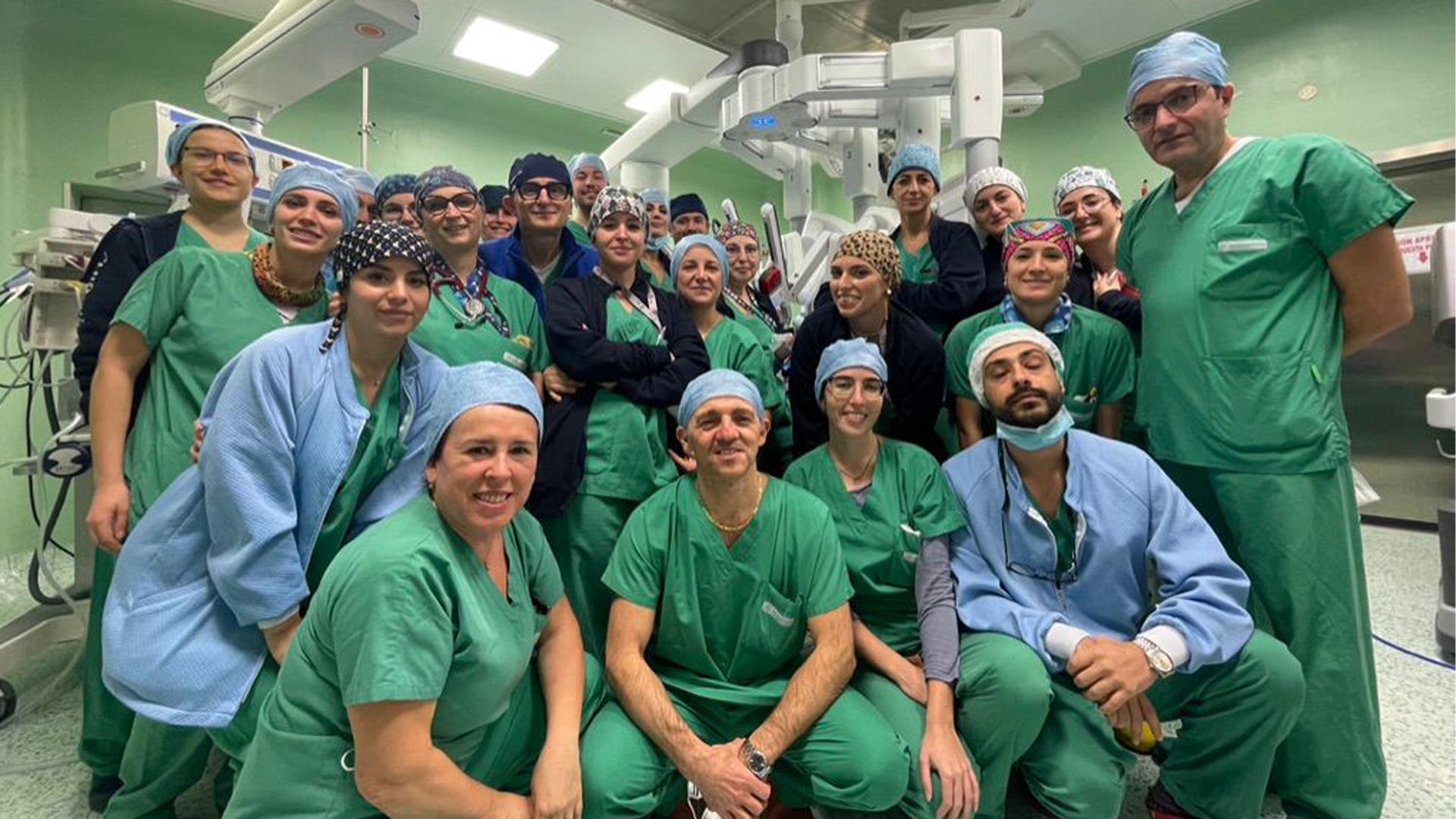
Da Vinci Robot Achieves Milestone: 1,000 Robotic Surgery Cases Completed in Imola
Table of Contents
- Da Vinci Robot Achieves Milestone: 1,000 Robotic Surgery Cases Completed in Imola
Imola, Italy – The Ausl of Imola, in partnership with the Cassa di Risparmio foundation and the Bologna AOSP of the Policlinico Sant’Orsola, celebrated a major achievement this week: the completion of 1,000 robotic surgery cases using the Da Vinci robot. This milestone, reached just two and a half years after the first intervention on January 9, 2023, highlights the growing role of robotic surgery in modern healthcare and its positive impact on patient outcomes.
The initial goal was to conduct 200 operations annually, but the number of cases increased by 46% from 2023 to 2024, demonstrating the increasing demand and effectiveness of this advanced surgical technique. The Da Vinci system offers surgeons enhanced precision, flexibility, and control compared to traditional surgical methods [1].
The Impact of Robotic Surgery on Patient Care
The success of the Da Vinci robot program in Imola extends beyond mere numbers. According to Silvia Poli, president of the Cassa di Risparmio di Imola Foundation, the achievement represents “a significant moment from a scientific, but above all human point of view.” The Foundation’s investment of over 300,000 euros per year to maintain the device underscores the commitment to providing high-quality care.
Did You Know? The Da Vinci surgical system translates a surgeon’s hand movements into smaller, more precise movements of tiny instruments inside the patient’s body [3].
Agostina Aimola, the AUSL director, emphasized that “robotic surgery is an element of quality and growth of our essential regional health system.” She added that efforts must continue to provide highly specialized and complex health services based on clinical appropriateness and health priority.
Key Benefits of Da Vinci Robotic Surgery
The advantages of using the Da Vinci robot include shorter post-operative recovery times and reduced healthcare expenditure. Marco Garofalo, the primary of urology, stated that the robotic platform allows for “the reduction of waiting lists, the use of human and instrumental resources, tutoring, prestige, and future.” He believes that robotics and artificial intelligence are the pillars of tomorrow’s surgery.
According to statistics, the majority of interventions performed with the Da Vinci XI robot were in the oncological field, along with complex and functional operations, making up over 90% of the total. The medical staff tends to avoid low-intensity surgery interventions unless they are necessary for the training of novice colleagues, ensuring efficient and conscientious use of the machinery given its high expenses.
Imola: A Center of Excellence for Robotic Surgery Training
Imola is becoming a hub for robotic surgery training, attracting staff from various cities along with Bologna.Igor Bacchilega, the director of the emergency department, anesthesia, and resuscitation, noted that Imola’s logistical advantages make it an ideal training center.
Michele Masetti, the primary of general surgery, stated, “We made ourselves the protagonists of a miracle; we first shot Italy to contribute to the start of robotic surgery programs.” The collaboration with the University of Bologna allows specialists to gain experience at the Imola hospital, guided by professors and directors from the Polyclinic of sant’Orsola, including Renato Seracchioli (gynecology) and Eugenio Brunocilla (urology).
Pro Tip: Robotic surgery can lead to smaller incisions, less pain, and quicker return to normal activities compared to open surgery [2].
Stefano Tamburro, the primary of obstetrics and gynecology of the Ausl of Imola, believes that “robotics is not a tip of excellence, but a daily reality that constitutes the basis for artificial intelligence on the way.” Technological innovation is particularly important for gynecological procedures, which represent a fifth of the overall operations.
Robotic Surgery Statistics in Imola
| Metric | Value |
|---|---|
| Operations Performed | 1,000+ |
| Start date | January 9, 2023 |
| Increase from 2023 to 2024 | 46% |
| Foundation Investment | €300,000+ per year |
| Primary Surgical Field | Oncology |
Despite national support, Chiara Gibertoni, the general director of the Policlinico Sant’Orsola, emphasizes the priority of “looking for the best way for ethical and conscientious use of robotics at the regional level.”
What impact do you think robotic surgery will have on healthcare accessibility in the future? How can hospitals ensure ethical and conscientious use of robotic technologies?
Evergreen Insights: The Evolution of Robotic Surgery
Robotic surgery has evolved considerably as its inception. Early systems focused primarily on remote manipulation, but modern systems like the Da vinci offer enhanced visualization, precision, and dexterity. The integration of artificial intelligence and machine learning is expected to further revolutionize the field, enabling more autonomous and efficient surgical procedures. The advancement of robotic surgery has been driven by the need for less invasive procedures,reduced patient trauma,and improved surgical outcomes. As technology advances, robotic surgery is highly likely to become more accessible and integrated into standard surgical practice.
frequently Asked questions About Robotic Surgery
What is robotic surgery?
Robotic surgery uses small surgical instruments attached to a robotic arm.A surgeon controls the arm with a console and viewing screen, allowing for precise movements [3].
What are the risks and benefits of robotic surgery?
Benefits include smaller incisions, less pain, shorter recovery, and increased precision. Risks can include technical issues, longer surgery times, and potential complications [2].
How does robotic surgery compare to traditional surgery?
Robotic surgery often allows for more minimally invasive approaches,leading to smaller scars and faster recovery compared to traditional open surgery.
What types of surgeries can be performed robotically?
Many types of surgeries can be performed robotically, including those for urology, gynecology, cardiology, and general surgery. The Da Vinci robot is versatile and can be adapted for various procedures.
Is robotic surgery more expensive than traditional surgery?
The initial costs of robotic surgery can be higher due to the technology investment, but reduced recovery times and fewer complications can lead to overall cost savings.
Disclaimer: This article provides general data about robotic surgery and should not be considered medical advice. Consult with a qualified healthcare professional for personalized guidance.
Share your thoughts! What are your experiences or concerns about robotic surgery? Subscribe to World Today News for more updates on medical advancements.
