
Dengue Fever Cases Spike in Kulonprogo, Indonesia: Urgent Health Alert
Table of Contents
health officials to issue warnings and intensify prevention efforts.Learn about the outbreak and how to protect yourself.">
Kulonprogo Regency, Indonesia, is grappling with a notable increase in Dengue Hemorrhagic Fever (DHF) cases reported in early 2025. The Kulonprogo Health Office (Dinkes) recorded nearly 100 cases in January and February alone, raising concerns among local health authorities and prompting calls for heightened vigilance and preventive measures.
While the number of cases decreased from March to May,reaching just under twenty cases per month,the initial surge underscores the persistent threat of dengue fever in the region.Health officials are urging residents to intensify mosquito nest eradication efforts and adopt healthier lifestyles to combat the spread of the disease.
Dengue Fever Trends in Kulonprogo: A Closer Look
According to data from the Kulonprogo Health Office, the number of DHF cases peaked in January 2025 with 86 reported cases, followed by 71 cases in February. The subsequent months saw a decline, with 38 cases in March, 18 in April, and 19 in May. These figures include cases of dengue shock syndrome (DSS), the most severe form of DHF.
The rise in cases at the beginning of the year has been attributed to high rainfall,which creates breeding grounds for mosquitoes,coupled with a lack of community awareness regarding dengue prevention. The situation is further complicated by the fact that three Kulonprogo residents have died from DHF in 2025, highlighting the severity of the disease. Each death occurred in january,February,and may respectively.
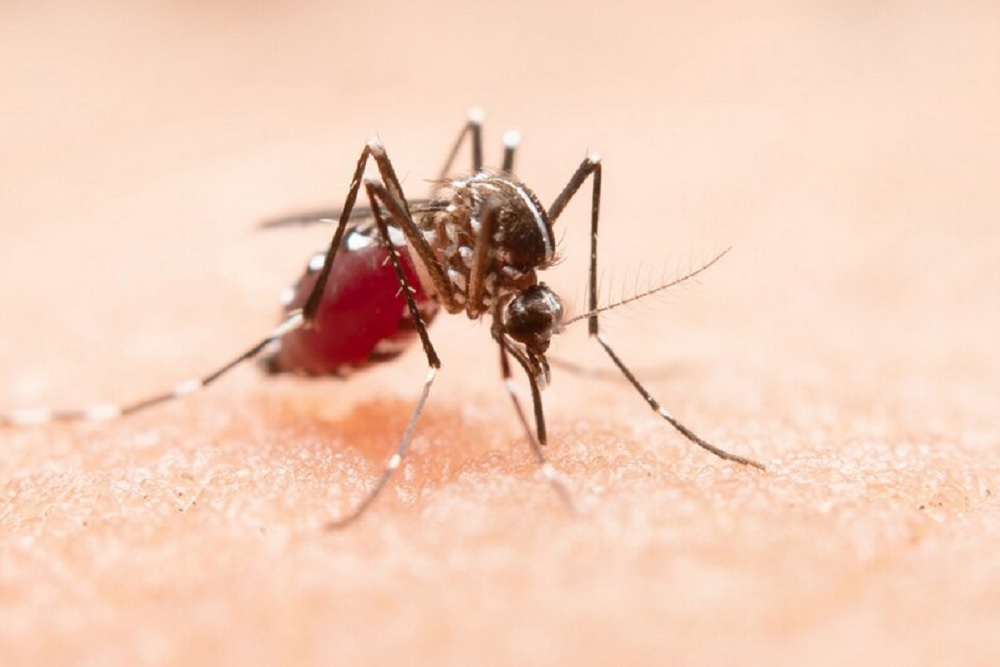
Did You Know? Dengue fever is transmitted by the bite of an Aedes mosquito infected with any one of the four dengue viruses. according to the CDC, about 1 in 4 people infected with dengue will get sick.
Key Data on Dengue Fever in Kulonprogo (2025)
| month | DHF Cases | Deaths |
|---|---|---|
| January | 86 | 1 |
| February | 71 | 1 |
| March | 38 | 0 |
| April | 18 | 0 |
| May | 19 | 1 |
Preventive Measures and Community Action
In response to the outbreak, Sri Budi Utami, Head of the kulonprogo health Office, emphasized the importance of intensifying the Mosquito Nest Eradication Movement (PSN). This includes the “3M” approach: draining stagnant water, closing water containers, and burying unused items that can collect water. Additionally, maintaining a clean and healthy lifestyle, consuming nutritious food, and staying hydrated are crucial preventive measures.
Health officials advise that anyone experiencing symptoms of dengue fever should seek medical attention instantly rather than attempting self-treatment. Early diagnosis and proper medical care can significantly reduce the risk of severe complications and death.
Pro tip: Regularly inspect your home and surroundings for potential mosquito breeding sites. Even small amounts of standing water can harbor mosquito larvae.
Combating Dengue: A Multi-Faceted Approach
The fight against dengue fever requires a comprehensive strategy involving community participation, government initiatives, and individual responsibility.Increased awareness campaigns, improved sanitation, and effective mosquito control programs are essential to curbing the spread of the disease. The World Health Institution (WHO) reports that dengue fever is endemic in more than 100 countries, placing 40% of the world’s population at risk.
The rise in dengue cases in Kulonprogo serves as a reminder of the ongoing threat posed by vector-borne diseases and the need for sustained efforts to protect public health. By working together, communities can mitigate the impact of dengue fever and create a healthier environment for all.
What steps are you taking to protect yourself and your family from dengue fever? How can communities better collaborate to prevent outbreaks?
Understanding Dengue Fever: Evergreen Insights
Dengue fever is a mosquito-borne viral infection that causes flu-like illness, and occasionally develops into a potentially lethal complication called severe dengue.The incidence of dengue has increased dramatically around the world in recent decades. The disease is prevalent in tropical and subtropical climates, largely in urban and semi-urban areas.
Historically, dengue outbreaks have been linked to factors such as climate change, urbanization, and inadequate sanitation. Warmer temperatures and increased rainfall can extend the mosquito breeding season and expand their geographic range. Rapid urbanization can lead to overcrowding and poor sanitation, creating ideal conditions for mosquito breeding. Effective vector control measures, such as insecticide spraying and larval control, are crucial for preventing and controlling dengue outbreaks.
Frequently Asked questions About Dengue Fever
Disclaimer: This article provides general details about dengue fever and is not intended as a substitute for professional medical advice. Always consult with a qualified healthcare provider for diagnosis and treatment of any medical condition.
Stay informed and stay safe! Share this article to raise awareness about dengue fever prevention. Subscribe to our newsletter for more health updates.
