
Your Walk Reveals More Than You Think
Simple Gait Test Offers Clues to Brain Health and Longevity
The speed at which you walk isn’t just about physical fitness; it’s a surprisingly accurate indicator of cognitive function and the rate of brain aging, new research suggests. A simple assessment of your gait could reveal hidden insights into your overall health.
Walking Speed Predicts Health Risks
Studies demonstrate a strong correlation between walking pace and various health outcomes. Slower walking has been linked to an increased risk of hospitalization, heart attacks, and even mortality. According to the CDC, over 25% of adults aged 65 and older experience falls, many of which are linked to reduced gait speed and balance. CDC Falls Data
Assessing walking speed is a valuable way to evaluate an individual’s functional capacity
– their ability to perform daily tasks and maintain independence. It also provides insight into frailty levels and predicts responsiveness to rehabilitation after events like a stroke.
What Experts Say
“When a person’s normal walking pace declines, it is often associated with underlying health declines.”
—Christina Dieli-Conwright, Professor of Medicine, Harvard Medical School
A noticeable decrease in walking speed can signal underlying health issues.
Dieli-Conwright explains that reduced mobility often stems from chronic conditions leading to decreased muscle strength and joint flexibility, which can exacerbate health problems.
The Walking Speed Test: A Simple Technique
The walking speed test is straightforward. You’ll need a stopwatch and a way to measure distance. Two common methods are available: a 10-meter test for ample space, and a 4-meter test for limited areas.
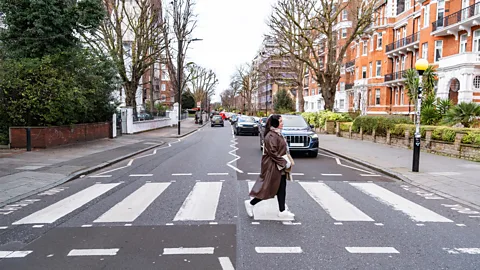
For the 10-meter test, walk 5 meters to reach a normal pace, then time yourself walking the subsequent 10 meters. Divide 10 by the time in seconds to calculate your speed. The 4-meter test involves walking 1 meter to gain speed, then timing the 4-meter walk, dividing 4 by the time to find your speed.
Average Walking Speeds by Age
Average walking speed varies with age. For women aged 40-49, it’s approximately 1.39m/s (4.6ft/s), while for men it’s 1.43m/s (4.7ft/s). As age increases, the average speed declines: 1.31m/s for women and 1.43m/s for men aged 50-59; 1.24m/s and 1.43m/s for 60-69 year-olds; and 1.13m/s and 1.26m/s for those aged 70-79. For individuals 80-89, the average is around 0.94m/s for women and 0.97m/s for men.
Brain and Body Aging Connection
Research led by Line Rasmussen, a senior researcher at Duke University, revealed a striking link between walking speed at age 45 and long-term brain health. Participants with slower gaits exhibited signs of accelerated aging
, including poorer lung function, dental health, and immune system response.

“What surprised me most was finding a link between how fast people walked at age 45 and their cognitive abilities all the way back in early childhood.”
—Line Rasmussen, Senior Researcher, Duke University
MRI scans showed slower walkers had smaller brains, thinner neocortexes, and increased white matter. Even facial aging appeared more pronounced in this group. These findings suggest walking speed is a marker of lifelong brain health, potentially traceable to early childhood development.
Improving Your Walking Speed
Fortunately, walking speed can be improved.
Dieli-Conwright recommends gradually increasing the duration and intensity of walking exercise every three to four weeks. Simple changes like parking further away, walking during breaks, or taking a pet for regular walks can also make a difference.
Prioritizing regular physical activity is crucial for maintaining both physical and cognitive well-being. Taking short walking breaks throughout the day, especially for those with sedentary jobs, can interrupt prolonged sitting and boost overall health.
