
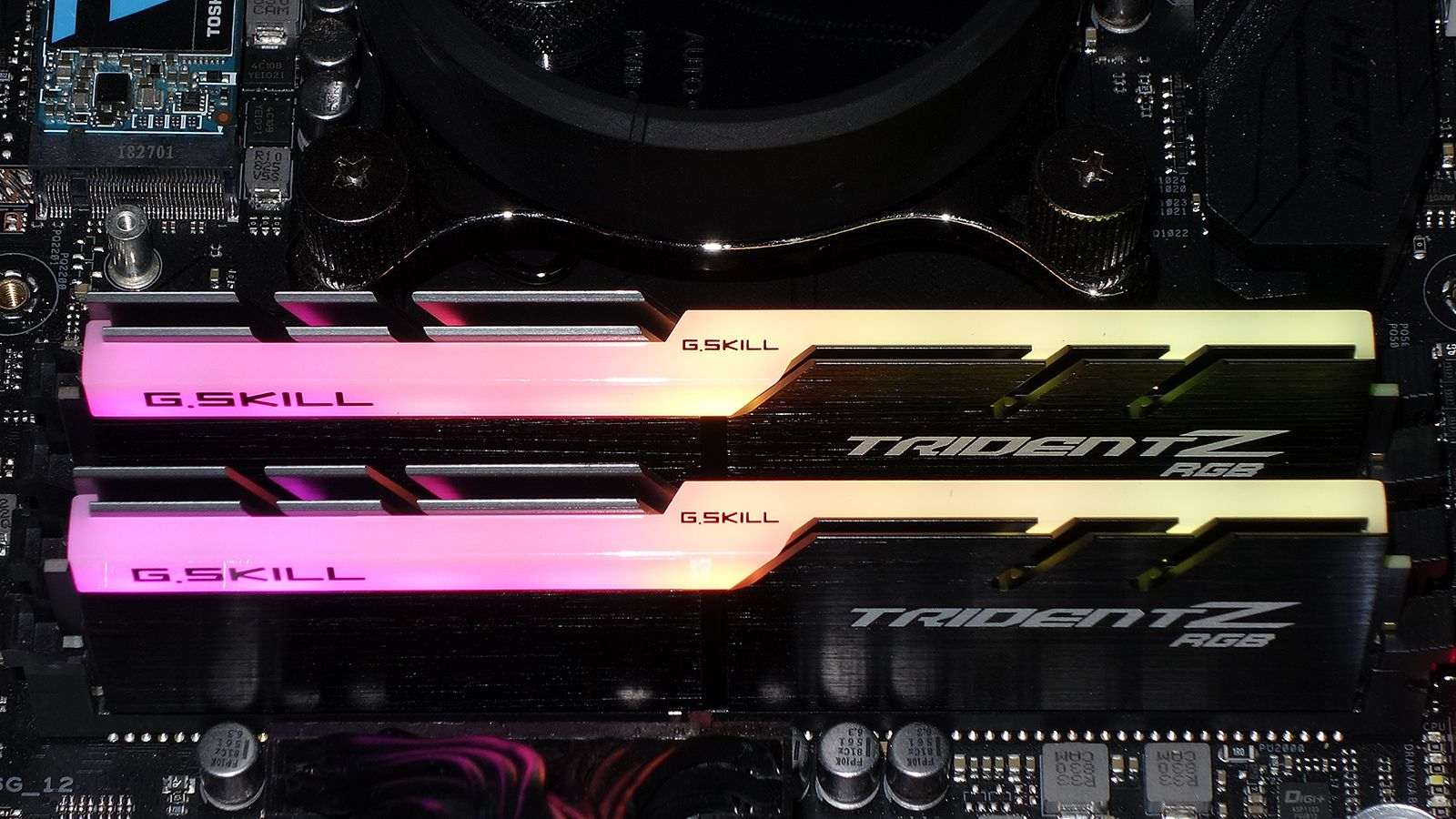
CXMT to Shift Focus from DDR4, Prioritize AI-Driven Memory
ChangXin Memory Technologies (CXMT), a leading Chinese DRAM manufacturer, is reportedly planning to phase out DDR4 memory production for servers and PCs by mid-2025. This strategic pivot aligns with directives from the Chinese communist Party, as Beijing aims to establish a global lead in artificial intelligence (AI) and cloud infrastructure. According to Digitimes
, this shift will see CXMT prioritizing the progress of High Bandwidth Memory (HBM) technology, with the goal of validating its HBM3 chips by the end of this year.
Industry Reaction and Market Impact
The announcement has surprised many industry observers, especially given that CXMT only recently began mass production of DDR4 memory in late 2024. this increased production capacity, coupled with aggressive pricing
, has already prompted major memory manufacturers like Micron, Samsung, and SK hynix to consider ending their own DDR3 and DDR4 production by late 2025.
Did You Know?
DDR4 memory is still widely used in many existing systems, but newer devices are increasingly adopting DDR5 for its improved performance and efficiency.
Government Influence and Strategic Direction
As China intensifies its focus on AI to compete with the U.S., the government is likely directing domestic tech companies to provide support. Industry analysts anticipate CXMT issuing an end-of-life notice for its DDR4 products as early as the third quarter of this year. Despite this impending shift, DDR4 supply has reportedly tightened, leading to meaningful price increases. Some 8GB chips have seen prices jump by as much as 150% due to supply shortages.
Future of DDR4 Production
While the overall market is moving towards DDR5, some DDR4 production will continue. DigiTimes Asia
reports that CXMT will maintain some DDR4 production for GigaDevice to meet consumer memory demand. Samsung and SK hynix will also continue producing DDR4 using 1z-nm nodes, wich do not require advanced EUV tools, allowing them to focus EUV resources on newer chip production.
Challenges with CXMT’s DDR5 Development
Despite CXMT’s success with DDR4, its DDR5 chips are reportedly facing challenges. Recent samples have allegedly failed some tests,exhibiting instability at temperatures of 60 degrees Celsius and above. This is considerably lower then the 85 degrees Celsius operating temperature of some Samsung chips. There are also concerns about the performance of CXMT’s DDR5 memory in sub-zero temperatures. However, this is unlikely to affect most typical users.
Frequently Asked Questions (FAQ)
Pro Tip
If you’re planning to upgrade your system, consider the long-term availability of DDR4 and whether DDR5 is a better investment for future-proofing.
