
Senegal’s Supreme court Overturns Electoral Commission Decree, Citing Legal Violations
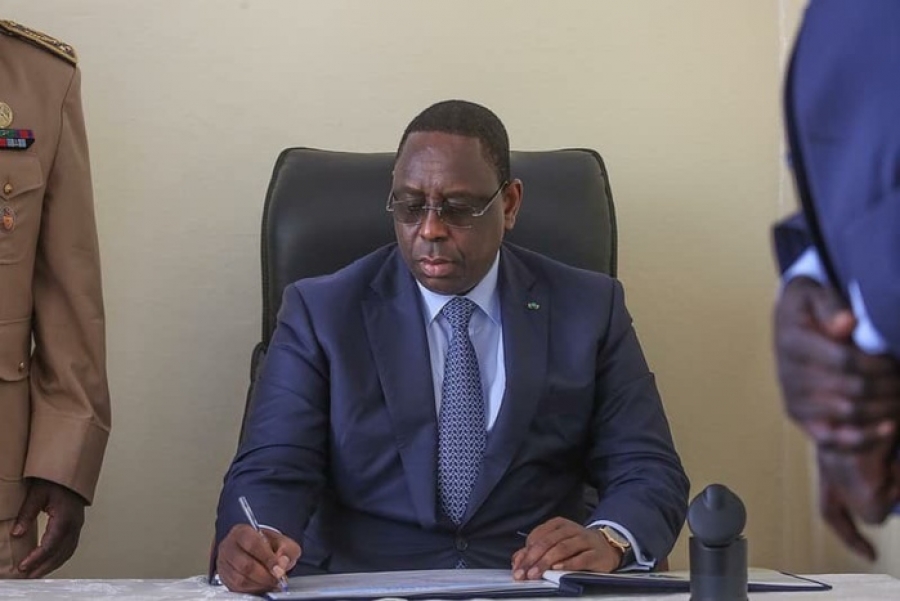
DAKAR, Senegal – In a landmark decision, Senegal’s Supreme Court invalidated decree n ° 2023-2152 on Thursday, May 22, 2025. the decree, issued by former President Macky Sall in November 2023, concerned the renewal of members of the Autonomous National Electoral Commission (CENA), the body responsible for overseeing the nation’s electoral process.
The Legal Challenge
The court’s ruling stemmed from an appeal filed by Maître Abdoulaye Tine, a candidate in the most recent presidential election, and Ndiaga Sylla, a recognized electoral expert. Their challenge focused on the legality of the decree, notably its compliance with Senegal’s electoral code and international commitments to democratic governance.
Initially, their summary proceedings were rejected. However, Mr. Tine and Mr. Sylla persisted,pursuing the case on its merits. Their core argument centered on alleged violations of the electoral code, specifically citing non-compliance with the principle of CENA’s permanence, as enshrined in articles 4 and 7. They also argued that the decree infringed upon voter rights guaranteed by article 5.
Key Arguments and Legal Basis
- Violation of Electoral Code: The appeal highlighted inconsistencies with articles 4 and 7, which guarantee the permanence of the CENA.
- Infringement of Voter Rights: The complainants argued that the decree undermined voter rights protected under article 5 of the electoral code.
- International Commitments: The appeal also emphasized Senegal’s obligations under international law to uphold democratic principles and ensure sound electoral governance.
context and background
The contested decree followed a favorable judicial decision for Ousmane Sonko, a prominent opposition figure at the time.It was widely interpreted as an attempt to reorganize the CENA’s composition. This context underscores the sensitivity surrounding the independence of electoral bodies in Senegal.
The African Court of Human Rights previously emphasized the importance of guaranteeing the independence of electoral bodies in a 2017 judgment. This ruling serves as a reminder of the ongoing need to safeguard electoral integrity across the continent.
Reactions and Implications
the plaintiffs in the case hailed the supreme Court’s decision as a notable victory. The triumph of electoral law on political practices,
they stated, adding that even if the time of justice is not that of men, the law always ends up being said.
Looking Ahead
The Supreme Court’s ruling underscores the importance of adhering to legal principles and upholding the independence of electoral institutions. It remains to be seen how this decision will impact future electoral processes in Senegal.
