
Hilma af Klint: Unveiling Nature’s Spiritual Code at MoMA
The Museum of Modern Art (MoMA) presented a unique opportunity to connect with the natural world through the eyes of Swedish artist Hilma af Klint in the exhibit “What Stands Behind the flowers.” Unlike many art exhibits that maintain a formal distance, this show invited viewers to engage intimately with af Klint’s detailed botanical studies.
Beyond Abstraction: A Focus on Nature
Hilma af Klint, renowned for her abstract “Paintings for the Temple” series, which featured geometric and organic shapes attributed to spiritual guidance, took a different path in this collection. This exhibit showcased her deep dive into the natural world, revealing intricate botanical drawings imbued with spiritual meaning.
Did you know?
Hilma af Klint was a pioneer of abstract art, creating her first abstract paintings as early as 1906, years before Kandinsky and Mondrian.
These self-studies, displayed for the first time, encouraged a renewed awareness of nature’s subtleties.
Intricate drawings: A Decade in the Making
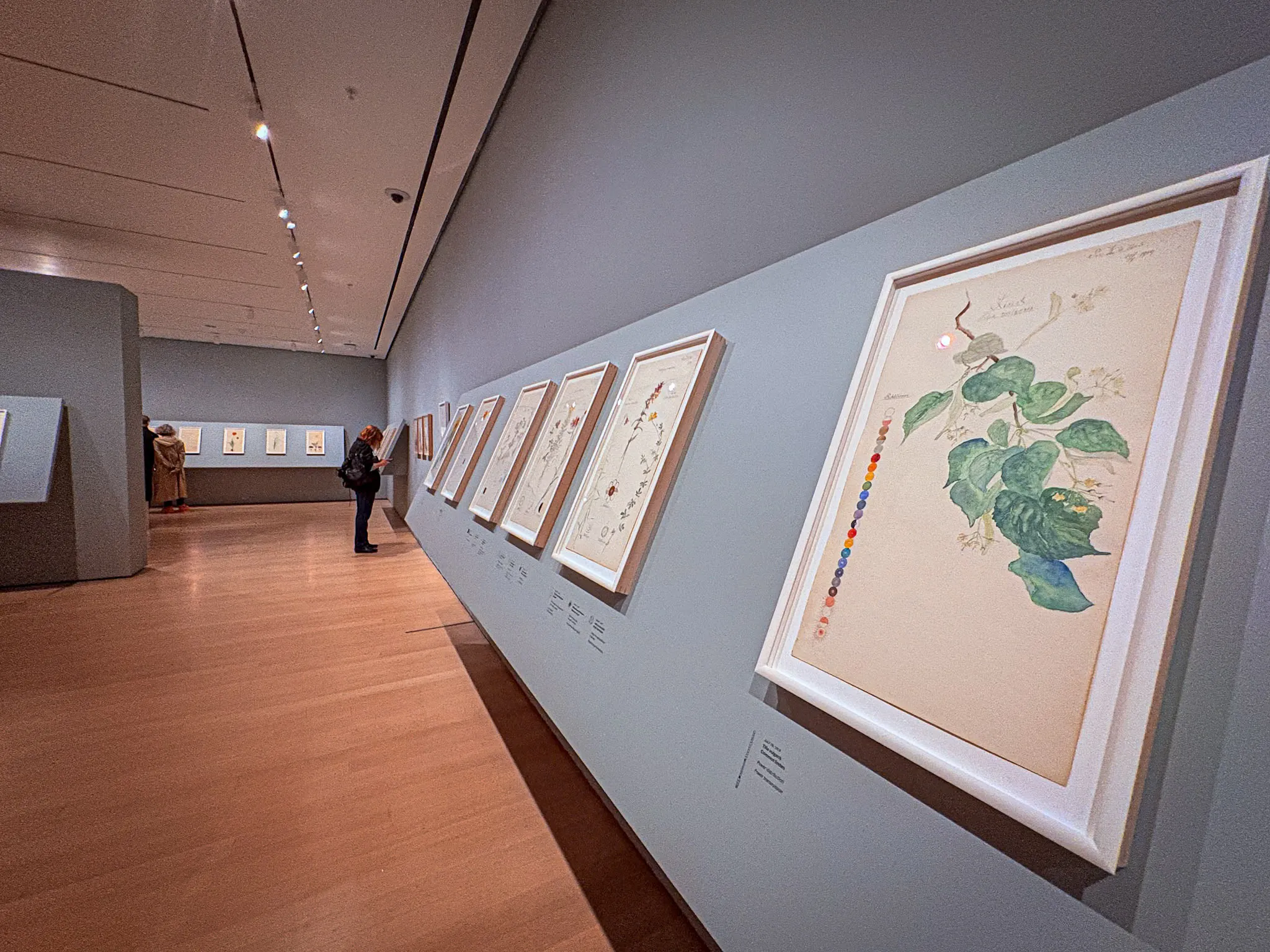
The exhibit featured 46 drawings created in 1919 and 1920,more than a decade after af Klint’s initial breakthrough as an artist.Her background as a scientific illustrator and landscape painter provided her with a profound understanding of the natural world.
Af Klint began this work in 1917, shifting away from reliance on spiritual guides. she started with drawings of nature’s smallest element, the atom, using checkerboard-like diagrams to connect them to moral conditions.
First, I shall try to penetrate the flowers of the earth; use as a point of departure the plants of the earth.When we turn our gaze toward the plant kingdom, it gives us facts about the composition of our own being. This world is the best textbook.Hilma af Klint
Cataloging Nature’s Spiritual Qualities
Beginning in April 1919, af Klint collected and studied 114 plant species, meticulously recreating them on paper. She linked their characteristics—growth patterns, functions, and appearance—to aspects of the human condition, consciousness, and character, uncovering spiritual significance in the flora she documented. Each drawing included “riktlinier,” Swedish for “directions forward” or “guidelines.” Such as, she associated the hepatica plant, a buttercup perennial that emerges from the cold winter ground, with joy.
Pro Tip:
Look for the “riktlinier” (guidelines) in each drawing to understand af Klint’s spiritual interpretations of the plants.
Each drawing included the date of observation, the plant’s scientific and common names, and its spiritual attributes, sometimes accompanied by depictions of living creatures like bees or ants.
A Call for Close Observation
Jodi Hauptman,the Richard Roth Senior Curator of MoMA’s Department of Drawings and Prints,emphasized the importance of close examination due to the intricate nature of af klint’s work.
Because she is looking closely,we want our visitors to really look closely,
Hauptman said,highlighting the magnifying glasses provided for visitors to explore every detail.
Later Works: Watercolor Explorations
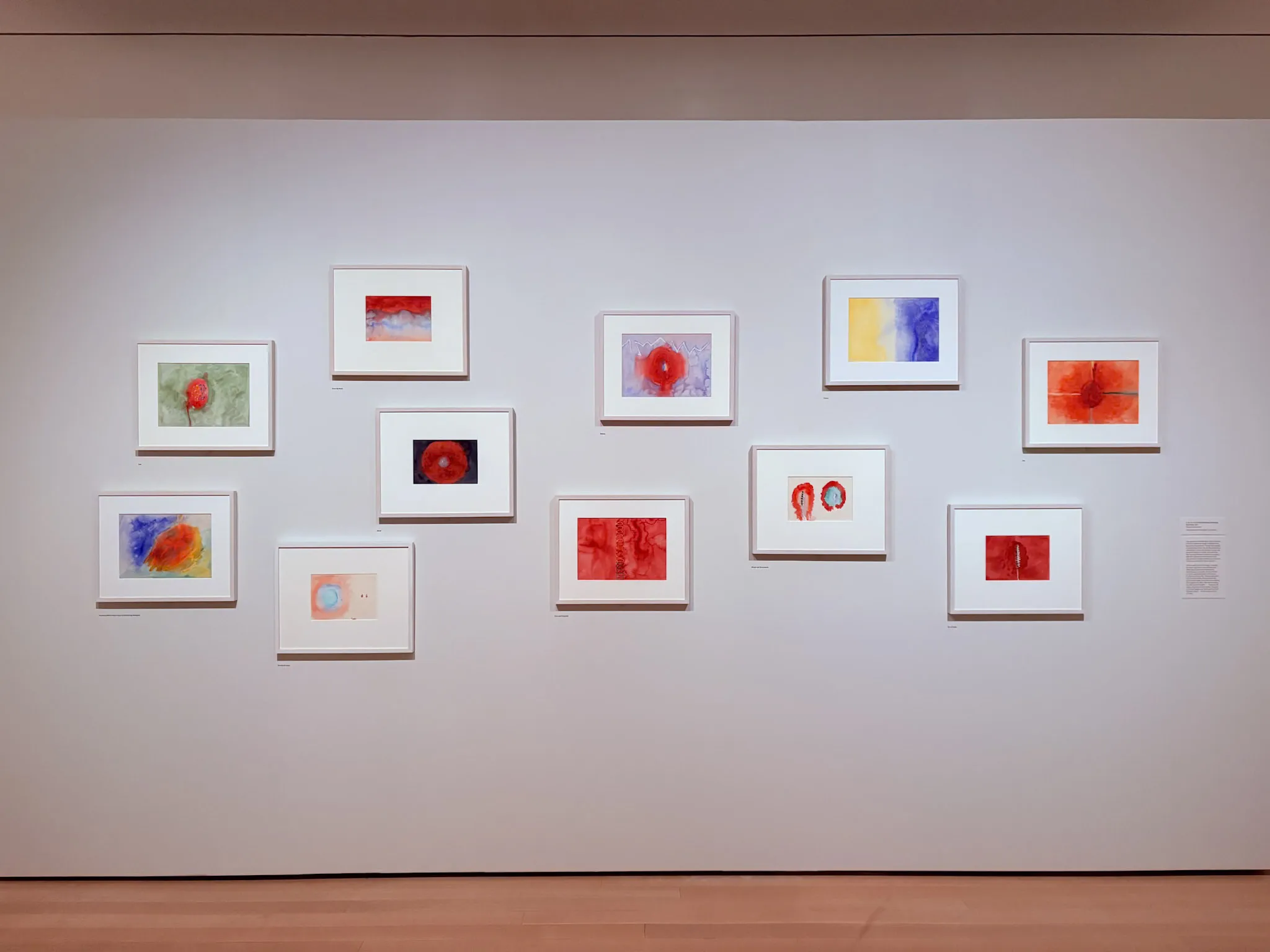
The exhibit concluded with works from 1922, following af Klint’s “Nature Studies.” While her interest in the connection between nature and spirituality remained, her method evolved. In the series “On the Viewing of Flowers and Trees,” she employed a wet-on-wet watercolor technique with vibrant hues to convey the spiritual power of plants.
A Provocative Connection
the exhibit offered a beautiful, delicate, and intricate experience, prompting reflection on our connection to nature, particularly for those living in urban environments. Hilma af Klint’s work suggests a profound connection between the natural world and our inner selves.
Frequently Asked Questions
Q: What is Hilma af Klint best known for?
A: She is known for her abstract “Paintings for the Temple” series.
Q: What is unique about the “What Stands Behind the Flowers” exhibit?
A: It focuses on her detailed botanical drawings and their spiritual interpretations.
Q: What are “riktlinier”?
A: They are Swedish for “directions forward” or “guidelines,” representing af Klint’s spiritual insights.
