
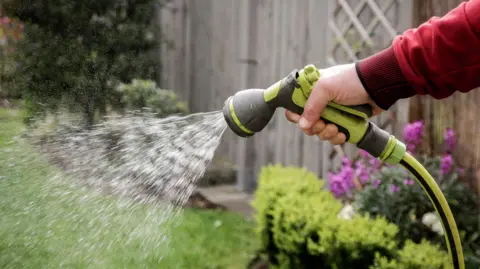
Hosepipe Ban Implemented in Ireland Amid Water Scarcity
DUBLIN — May 15, 2024 — Authorities in Ireland have implemented a hosepipe ban in several regions to conserve water. The restrictions, effective May 6th, address dwindling water supplies in areas like county Donegal and Mullingar. This measure, born from an extended dry period affecting key reservoirs, aims to safeguard essential services. For more details, read on.
Hosepipe Ban Implemented in Parts of Ireland Amidst Water Scarcity
Amid growing concerns over critically low water levels, a hosepipe ban has been enacted in several regions of Ireland. The affected areas include Milford in County Donegal, Mullingar in County Westmeath, and Kells-Oldcastle in County meath.These restrictions, aimed at conserving dwindling water supplies, took effect on Tuesday, May 6, and are slated to remain in place for six weeks.
The Root of the Problem: Prolonged Dry Conditions
Uisce Éireann (Irish Water) attributes the necessity of these measures to an extended period of dry weather. This dry spell, stretching from last autumn through the winter months and into the current spring season, has severely impacted water levels in key reservoirs. According to Uisce Éireann, these conditions have led to a sharp drop in water supply at key reservoirs.
Specific Areas Severely Affected
- Milford, County Donegal: The water supply for Milford is sourced from lough Colmcille, which is currently at a record low.
- Kells-Oldcastle Area: This region relies on Lough Bane,which is also experiencing historically low water levels.
- Mullingar: Lough Owel, the primary water source for Mullingar, has plummeted to its lowest level in half a century.
Did You Know?
Lough Owel is not only a crucial water source but also a popular spot for recreational activities like fishing and boating. Its reduced water level impacts both water supply and local leisure activities.
Details of the Water Conservation Order
The newly implemented water conservation order strictly prohibits the use of hosepipes for various domestic and certain non-domestic purposes. this includes, but is not limited to, watering private gardens and maintaining outdoor areas around business premises. The primary objective of these restrictions is to safeguard the available water resources for essential services, ensuring that critical needs are met during this period of scarcity.
Official statements on the Situation
Margaret Attridge, head of water operations, explained the severity of the situation:
The past 12 months have been drier than normal when compared to the long-term average. This means that some water sources which traditionally would have replenished over the winter period have not seen the same level of recovery. Consequently, we are starting to experience issues with water availability at these sources.
Margaret Attridge, Head of Water Operations, Uisce Éireann
despite the localized nature of these restrictions, Uisce Éireann is urging all households and businesses throughout Ireland to adopt responsible water usage practices as the summer months approach. This collective effort is deemed crucial to mitigating the broader impacts of the ongoing dry conditions.
Broader Climate Context
earlier in 2025, met Éireann, the Irish weather service, reported that rainfall was below average at most weather stations in the Republic during the winter months.Furthermore, autumn 2024 was recorded as the 17th driest as records began in 1940, underscoring the prolonged nature of the water deficit.
Northern IrelandS Water Supply
In Northern Ireland, NI Water has provided reassurance that reservoir levels are currently in a healthy state for this time of year, despite experiencing below-average rainfall throughout the winter and spring. According to Maynard Cousley, Water Supply Manager:
Rain in mid-April helped bring reservoir levels back up to 93% capacity. Though,it is indeed a timely reminder that our weather patterns are changing and we cannot take our water supply for granted. We must use our water supply wisely so we can conserve it for when we need it most.
Maynard Cousley, Water Supply Manager, NI Water
pro Tip:
Consider installing a water butt to collect rainwater for watering plants. This reduces your reliance on the mains water supply and is an environmentally friendly practice.
EU’s Drought Assessment
The EU’s Copernicus climate service, in its April publication, has escalated the drought status for both Northern Ireland and the Republic of Ireland. The region has moved from a drought watch status to a drought warning. This change signifies that the low rainfall is now compounded by declining soil-moisture levels and the initial signs of stress on vegetation. The UK Center for ecology and Hydrology reported that river flows in March concluded the month as “exceptionally low
” across Northern Ireland.
