
West Virginia Leads the Nation in Banning Synthetic Food Dyes: A New Era of Consumer Protection?
A bipartisan push for healthier food gains momentum, but concerns linger over potential impacts and the role of controversial figures.
West Virginia Sets a Precedent
In a move that has sent ripples through the food industry, West Virginia has become the first state in the nation to ban synthetic dyes and certain preservatives in food. Governor Patrick Morrisey signed the bill into law this week, marking a important victory for consumer advocates who have long campaigned against these additives. The law, championed by Republicans, signals a potential shift in the political landscape, with health and food safety emerging as a bipartisan concern.
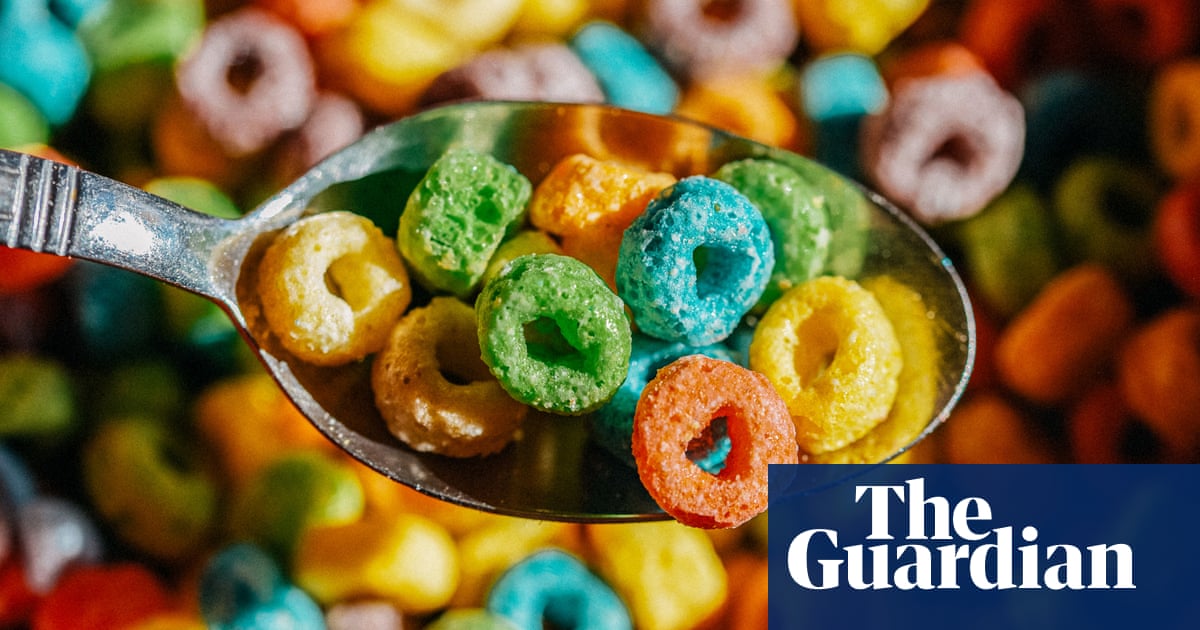
The legislation targets several common artificial food dyes, including Red Dye No. 3,Red Dye No. 40, Yellow Dye No. 5, Yellow Dye No. 6, Blue Dye No. 1, blue Dye No. 2, and green Dye No. 3, as well as the preservatives butylated hydroxyanisole (BHA) and propylparaben. These substances will be prohibited from school foods starting in August 2025, and from all foods sold within the state by 2028.
The “Make america Healthy Again” Movement Gains Traction
west Virginia’s new law is part of a broader trend gaining momentum across the United States: the “Make America Healthy Again” (MAHA) movement. This movement,wich has found support among Republican state lawmakers,aims to address concerns about the safety and health impacts of various ingredients and chemicals found in food and food packaging.
jensen Jose, regulatory counsel for the Center for Science in the Public Interest (CSPI), notes a growing bipartisan interest in banning these chemicals, fueled by frustration with the perceived slow pace and effectiveness of the Food and Drug Administration (FDA).
“There’s a growing bipartisan interest to ban this, and also a bipartisan frustration with how the [Food and Drug Administration] is working,”
Jensen Jose, Center for Science in the Public Interest (CSPI)
California paved the way by banning some of the same dyes from school meals in 2024. The Biden administration followed suit by banning Red Dye No. 3.
Industry Opposition and Potential Economic Impacts
The new law has faced strong opposition from the food and beverage industry,with lobbyists warning of potential negative consequences for West Virginia consumers and businesses.
Kevin Keane, CEO of the American Beverage Association, argues that the ban will led to higher food prices and reduced product availability, effectively outlawing a significant portion of grocery store items. He also predicts job losses and business closures as a result of the legislation.
“West Virginia families will face higher food prices and a scarcity of available products in stores as this law effectively outlaws 60% of grocery store food items,”
Kevin Keane, CEO of the American Beverage Association
These concerns highlight the potential economic trade-offs associated with stricter food safety regulations. While consumer advocates emphasize the health benefits of removing potentially harmful additives, industry representatives argue that such measures can increase costs and limit consumer choice.
The FDA’s “GRAS” Loophole and Calls for Reform
A central point of contention for consumer advocates is the FDA’s “generally recognized as safe” (GRAS) designation.This regulation, intended to streamline the approval process for widely accepted ingredients like beetroot juice, vinegar, and salt, has been criticized for allowing food manufacturers to self-certify the safety of new ingredients without rigorous FDA review.
Critics argue that the GRAS system has become a loophole, enabling companies to introduce potentially harmful substances into the food supply with minimal oversight.Scott Faber, senior vice-president of government affairs at the Environmental Working Group, claims that the vast majority of new chemicals are reviewed by the chemical companies themselves, leading to a potential conflict of interest.
“The ‘generally recognized as safe’ loophole has swallowed the law,”
Scott Faber, Environmental Working group
The case of tara flour, a plant-based protein that caused widespread illness in 2022, serves as a cautionary tale. Despite reports of liver and gall bladder problems among consumers, the FDA only deemed tara flour an “unapproved” additive two years later.
In response to these concerns,Health and Human Services (HHS) Secretary Robert F. Kennedy Jr. announced in March that the administration would review the GRAS system and consider requiring food companies to notify the department of their GRAS determinations. This move could represent a significant step towards greater clarity and accountability in food ingredient regulation.
A tenuous Alliance and Potential Pitfalls
The emerging alliance between consumer advocates and Republican lawmakers is not without its challenges. The differing priorities and ideologies within this coalition could lead to disagreements and compromises that weaken the overall impact of the “Make America Healthy again” movement.
The involvement of figures like Robert F. Kennedy Jr., who has a history of promoting vaccine skepticism, raises concerns among some consumer advocates. While they may agree on the need to address food safety issues, they may disagree on other public health matters, potentially undermining the credibility and effectiveness of the movement.
west Virginia State Representative Adam Burkhammer, who introduced the food dye ban, has also expressed interest in exploring other MAHA-related issues, including vaccine ingredients. This stance could alienate some consumer advocates and raise concerns about the potential for the movement to be co-opted by anti-vaccine groups.
Looking Ahead: The Future of Food Safety Regulation
West Virginia’s decision to ban synthetic food dyes and preservatives marks a significant step towards stricter food safety regulation in the United States. Whether other states will follow suit remains to be seen, but the growing momentum behind the “Make America Healthy Again” movement suggests that this issue will continue to be a priority for lawmakers and consumers alike.
The debate over the FDA’s GRAS system is also likely to intensify, with consumer advocates pushing for greater transparency and accountability in the approval process for new food ingredients. The outcome of this debate could have a profound impact on the future of food safety regulation in the United States.
As the “Make America Healthy Again” movement gains traction,it is crucial to ensure that policy decisions are based on sound science and that the potential economic impacts of stricter regulations are carefully considered.By striking a balance between protecting public health and promoting economic growth, the United States can create a food system that is both safe and lasting.
