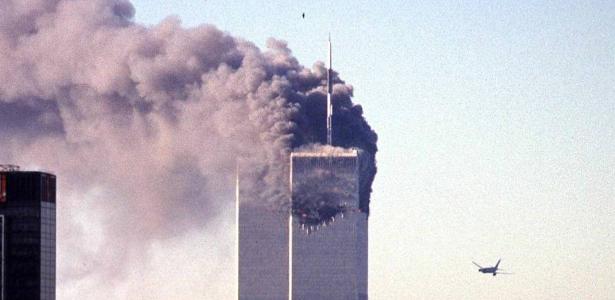
9/11 Cancer Deaths Now Exceed Immediate Attack Toll
Long-term health monitoring data reveals that 3,767 people have died from cancer linked to toxic dust exposure following the September 11, 2001 terrorist attacks, surpassing the 2,977 direct fatalities recorded on the day of the disaster itself. According to reports released by the World Trade Center Health Program and the U.S. Centers for Disease Control and Prevention, cumulative diagnoses among survivors, local residents, students, and rescue workers have reached 48,579 cases.
- Rising Mortality: Cancer fatalities related to toxic exposure at Ground Zero have climbed to 3,767, exceeding the direct loss of life from the 2001 attacks.
- Extensive Exposure: Approximately 400,000 individuals inhaled or came into contact with a toxic mixture of asbestos, heavy metals, and silica that lingered across Manhattan and Brooklyn for months.
- Aging Vulnerability: Longitudinal evaluations by epidemiologists indicate that advancing age amplifies the pathological impact of these early chemical exposures, driving continuous diagnostic growth.
Toxic Pathogenesis and Environmental Contaminants
According to data from the CDC and the WTC Health Program, the structural failures and subsequent fires—which remained active until December 2001 and continued venting gases into 2002—dispersed hundreds of recognized carcinogens.
Pathologists note that many of these malignant transformations feature long latency periods, requiring decades to manifest clinically. The most frequently diagnosed malignancies among the exposed cohort include non-melanoma skin cancer, prostate cancer, breast cancer, melanoma, lymphoma, thyroid, kidney, lung, and bladder cancers, alongside leukemia.
For individuals navigating persistent respiratory symptoms, chronic coughs, or unexplained systemic changes following environmental exposures, early diagnostic screening remains essential.
Demographic Scale and Diagnostic Realities
The population at risk extends far beyond the initial corps of emergency responders.

Beyond oncology wards, the psychological toll documented by the WTC Health Program remains significant. Current records list 17,093 active patients diagnosed with post-traumatic stress disorder, accompanied by thousands more receiving care for major depressive disorder, severe anxiety, and panic syndromes. Over 64 percent of individuals enrolled in the federal monitoring initiative present with at least one chronic medical condition directly tied to the events.
Healthcare Infrastructure Challenges and Funding Pressures
The WTC Health Program currently provides medical management and monitoring for 132,000 registered participants, though over 8,200 enrolled individuals have already passed away. Institutional support faces operational headwinds. Administrative restructurings and staffing adjustments have impacted appointment scheduling intervals, turning previous wait times of weeks into months.

Fiscal uncertainty further complicates long-term prognosis management. Without the legislative approval of extended federal appropriations, the program risks curtailing new enrollments or restricting service availability for current beneficiaries starting in 2028.
Navigating complex long-term health surveillance requires coordinated multidisciplinary care.
As epidemiological surveillance stretches toward the quarter-century mark, the medical consensus remains clear: the physiological footprint of September 11 continues to demand vigilant clinical oversight, robust screening protocols, and secured long-term funding to manage an aging and medically vulnerable population. Ensuring uninterrupted access to specialized diagnostic imaging and oncology care remains the primary clinical priority for mitigating further loss of life.
*Disclaimer: The information provided in this article is for educational and scientific communication purposes only and does not constitute medical advice. Always consult with a qualified healthcare provider regarding any medical condition, diagnosis, or treatment plan.*