8 Killed in Alaska Charter Plane Crash Near Cape Newenham Radar Site
A twin-engine Cessna 441 charter plane operated by Security Aviation crashed near the Cape Newenham Long Range Radar Site Airport in western Alaska, killing all eight people on board. The fatalities include two U.S. Army Corps of Engineers employees, two pilots, and six passengers, according to statements released by the U.S. military and the Federal Aviation Administration.
Mission Details and Flight Path to Cape Newenham
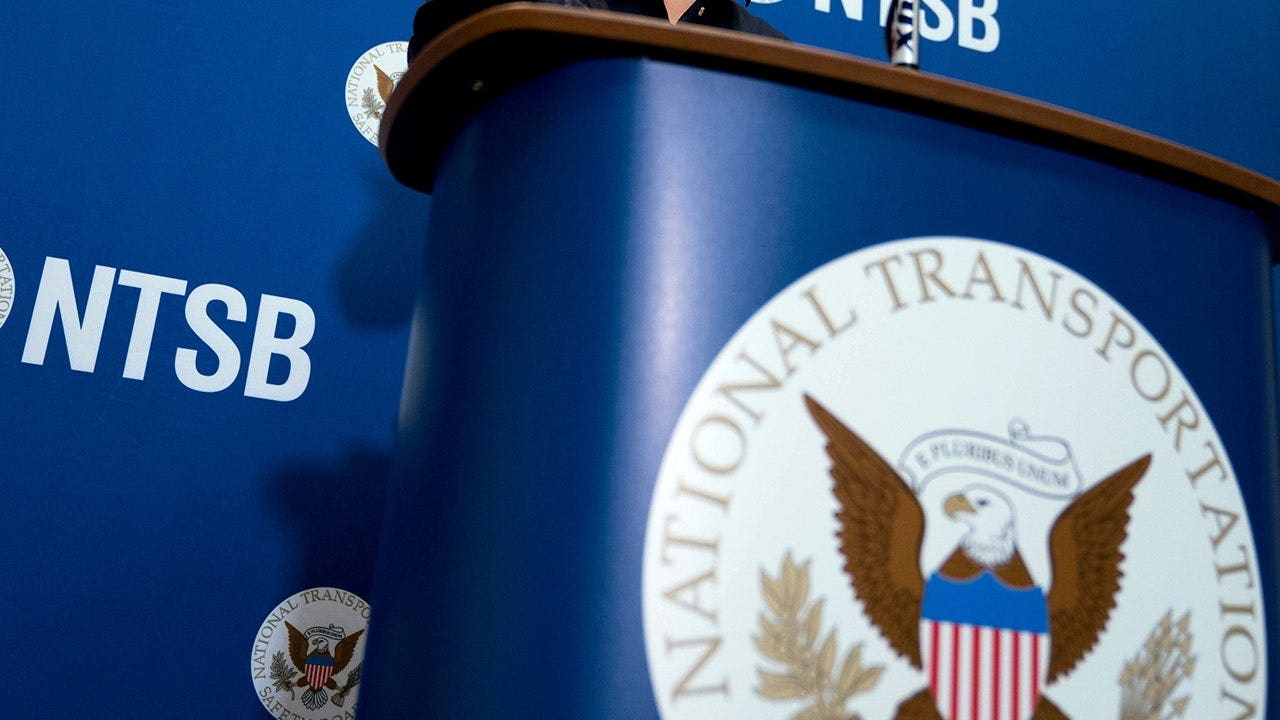
The aircraft departed from Ted Stevens Anchorage International Airport on Thursday, heading roughly 450 miles west toward Cape Newenham. According to the National Transportation Safety Board (NTSB), the tragedy occurred on the aircraft’s second approach after it was unable to land during an initial attempt. Information compiled by a service part of the Flight Safety Foundation indicates that fog blanketed the area at the time of the crash. The destination is a private military site managed by the Pacific Air Forces Regional Support Center, functioning as part of a network of remote radar sites that track aircraft operating in Alaska airspace and along its borders.
Military and Government Response
U.S. Air Force Lt. Gen. Robert Davis, commander of the Alaskan Command, the Alaskan North American Aerospace Defense Command Region, and Eleventh Air Force, issued a statement addressing the tragedy. “This is a devastating loss for our military family and the communities we serve,” Davis stated, describing the victims as dedicated professionals executing a vital mission in a demanding environment. Joint Base Elmendorf-Richardson confirmed on Friday morning that next of kin for the two Army Corps of Engineers employees had been notified, though their identities remain withheld pending the standard 24-hour waiting period following notification.

Alaska U.S. Senator Lisa Murkowski shared condolences via social media regarding the operator, Security Aviation. “I join Alaskans in offering condolences as we learn of the plane crash in Cape Newenham,” Murkowski posted. “I’ve traveled extensively with Security Aviation throughout Alaska, and have met many of their experienced pilots.” Murkowski also expressed gratitude toward the U.S. Coast Guard, the NTSB, the Alaska State Troopers, and the Rescue Coordination Center for mobilizing response teams to the remote site.
Recovery Challenges in Remote Alaskan Terrain
Operations to investigate the site and recover the aircraft present logistical hurdles. Clint Johnson, the NTSB’s Alaska region chief, explained during a Friday media briefing that the wreckage rests in steep mountainous terrain. Accessing the site requires chartering specialized aircraft, and investigators anticipate that recovering the plane will necessitate lifting the wreckage via helicopter before loading it onto a cargo plane for formal examination. Search and rescue teams originally landed near the site on Thursday, confirming there were no survivors.

Long-Term Impact on Alaska Aviation and Infrastructure
The Cape Newenham radar installation traces its historical lineage back to 1950, when a continental defense station was established as part of the Distant Early Warning Line to warn of a Soviet attack during the Cold War.