
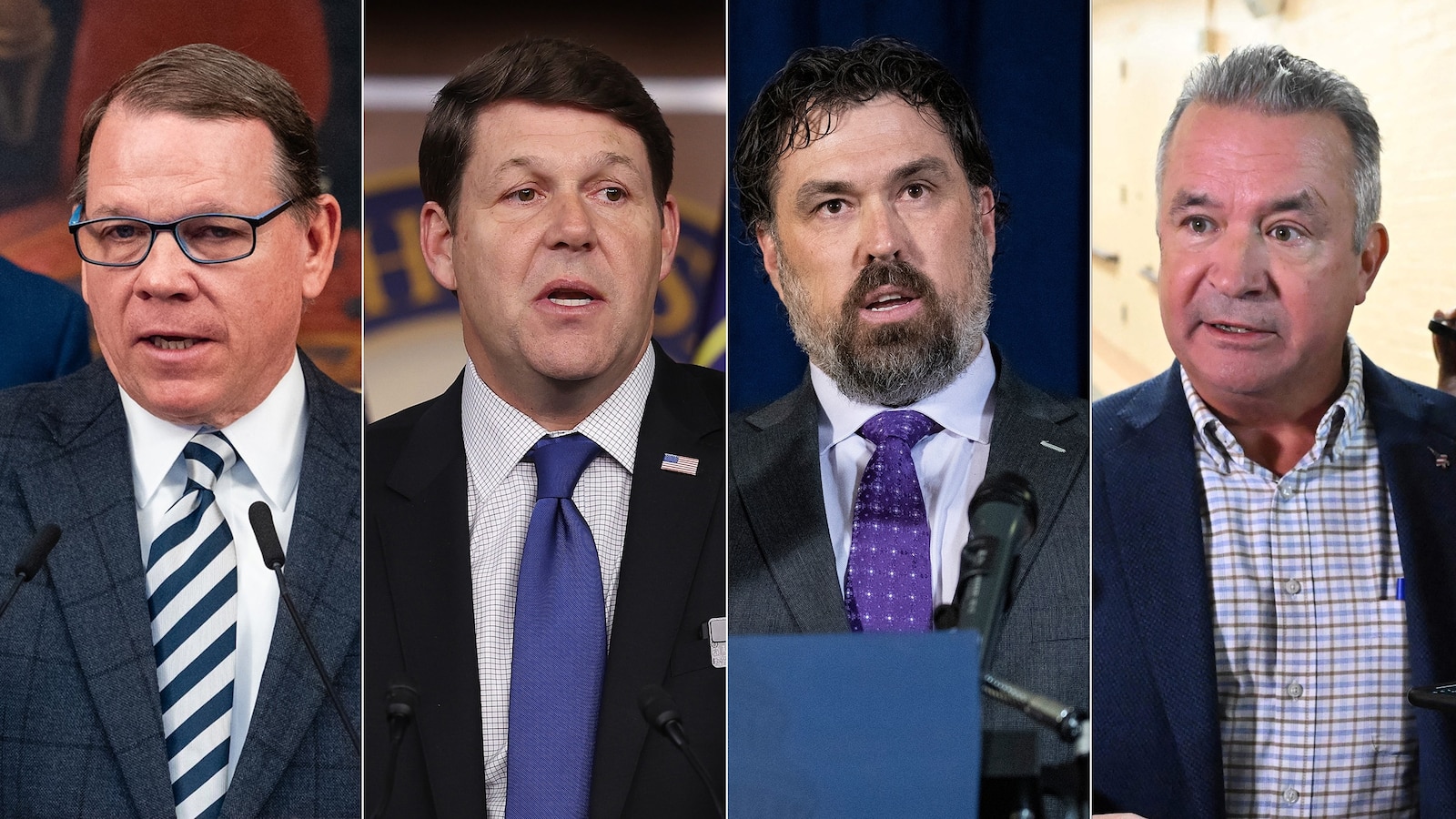
The Capitol Exodus: Why Washington’s Elite Are Canceling Their Own Shows
In a historic shift for the 2026 midterm cycle, 57 House members—including 36 Republicans and 21 Democrats—have announced their retirements, marking the largest cohort of departures since 1930. Driven by redistricting chaos, toxic brand equity, and the looming threat of minority status, this mass exodus signals a critical restructuring of the political landscape that demands immediate attention from crisis management firms and talent agencies specializing in high-profile transitions.
Think of Capitol Hill not as a legislative body, but as a long-running, high-budget franchise that is suddenly facing a catastrophic drop in viewer retention. As we approach the midterms, the industry chatter isn’t about who is getting renewed for another season; it’s about who is walking off the set. On Friday, Republican Congressman Sam Graves of Missouri became the 57th House member to announce plans not to seek re-election, effectively “passing the torch” in a move that feels less like a succession plan and more like a cast member jumping ship before the reveal gets canceled. This isn’t just a political story; it is a massive talent management crisis.
The numbers coming out of Washington are staggering. According to an ABC News tally and data compiled by the Brookings Institution, the current retirement rate for Republicans is higher than at any point in nearly a century. To position that in Hollywood terms, imagine if thirty-six lead actors from a single studio lot decided to terminate their contracts simultaneously. This cohort surpasses the 34 Republicans who exited in 2018, a year that saw a 40-seat wave election loss. The message from the talent is clear: the working conditions have become untenable, and the backend residuals (re-election prospects) no longer justify the production costs.
The Brand Toxicity Problem
Why are the A-listers leaving? The answer lies in the erosion of brand safety. In the entertainment industry, when a project becomes too controversial or the environment too hostile, talent agencies advise their clients to distance themselves to protect their long-term earning power. We are seeing that exact calculation play out on the House floor. Rep. Jared Golden, a moderate Democrat from Maine, cited the “increasing incivility and plain nastiness” of politics as a primary driver for his exit.
“As a father, I have to consider whether the good I can achieve outweighs everything my family endures as a result. The dysfunction has reached a point where the personal cost outweighs the public service ROI.”
Golden’s sentiment echoes a broader trend where the “product” of governance is being overshadowed by the “production drama.” When a brand deals with this level of public fallout and internal hostility, standard press releases don’t operate. The immediate move for these departing figures is to deploy elite crisis communication firms and reputation managers to control the narrative of their exit. They aren’t just retiring; they are pivoting. They need to ensure their departure is framed as a dignified “graduation” rather than a retreat from a toxic workplace.
The Post-Congress Pivot: IP and Memoirs
Every exit strategy in Washington eventually leads to the same place: the memoir. The retirement of powerful committee chairs like Rep. Jodey Arrington and veterans like Rep. Morgan Luttrell creates a vacuum of institutional knowledge, but it also opens the floodgates for intellectual property opportunities. These aren’t just politicians; they are brands with decades of story arcs, scandals, and behind-the-scenes access.

Here’s where the literary agents and publishing houses in our directory will witness a surge in activity. The “Post-Congress Pivot” is a lucrative industry in itself. Former Speakers and Committee Chairs command seven-figure advances for their tell-alls. Yet, navigating the legalities of classified information and non-disclosure agreements requires specialized intellectual property attorneys who understand the intersection of national security and copyright law. A poorly managed book deal can turn a dignified exit into a legal nightmare, as seen in previous administrations where memoirs triggered federal investigations.
Redistricting as a Script Rewrite
Another factor driving this exodus is the logistical nightmare of redistricting. Maps have been scrambled, forcing incumbents to campaign in entirely new territories. In the film world, this is akin to a director being told halfway through production that the entire script has been rewritten and the location has moved from London to the Mojave Desert.
Casey Burgat, director of the Legislative Affairs Program at George Washington University, noted that Republicans are “staring down the barrel of the minority party,” a position that offers little creative control or budget authority. With fewer competitive swing districts due to aggressive gerrymandering, the incentive structure has flipped. Politicians are now motivated by what helps them win primaries—often extreme positions—rather than legislative compromise. This polarization makes the job of governing nearly impossible for moderates, accelerating the departure of centrist voices like Golden and Graves.
The Logistics of the Exit
Leaving Congress isn’t as simple as turning in a badge. It involves winding down campaign committees, managing staff severance, and securing future employment without violating ethics rules regarding the “revolving door” of lobbying. This is a complex logistical operation that rivals the planning of a major music festival.
For those transitioning into the private sector or running for higher office like the Senate or Governorships (20 Republicans and 8 Democrats are making this jump), the need for professional infrastructure is critical. They are sourcing massive contracts with regional event security and A/V production vendors for their farewell tours and victory laps, while local luxury hospitality sectors in D.C. And their home states brace for the windfall of transition events. The machinery of politics doesn’t stop; it just changes operators.
As the 2026 midterms approach, the narrative is no longer about who wins, but about who stays. The record-breaking number of retirements suggests a fundamental shakeup in the American political franchise. For the industry professionals watching from the sidelines, this represents a unique window of opportunity. Whether it’s securing the rights to a high-profile memoir, managing the reputation of a departing icon, or lobbying for the new guard, the business of Washington is open for those with the right connections. The World Today News Directory remains the premier resource for connecting these transitioning elites with the vetted legal, PR, and logistical partners they need to navigate their next act.
Disclaimer: The views and cultural analyses presented in this article are for informational and entertainment purposes only. Information regarding legal disputes or financial data is based on available public records.