
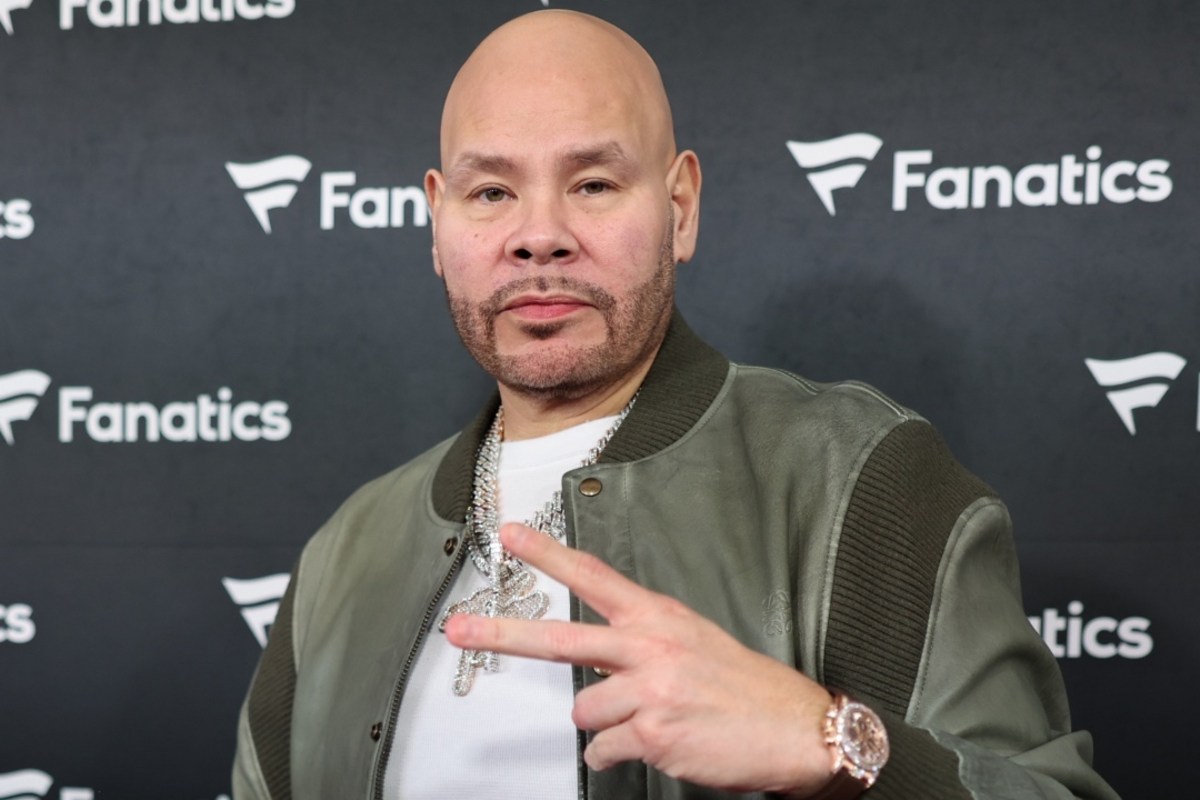
Terrance Dixon amended his lawsuit against Fat Joe on March 26, 2026, dropping felony RICO, rape, and child trafficking claims. The filing in the Southern District of New York now focuses on civil disputes regarding unpaid wages, copyright ownership, and fraud. This strategic pivot shifts the narrative from criminal scandal to contractual disagreement, significantly altering the reputational risk profile for the rapper and his business ventures.
The legal landscape surrounding hip-hop legacy acts often resembles a battlefield where intellectual property rights collide with personal grievances. When Terrance Dixon’s legal team filed the amended complaint in United States District Court for the Southern District of New York, they didn’t just change the charges; they changed the economics of the dispute. The original filing, laden with statutory rape and RICO allegations, threatened to trigger immediate brand safety protocols across Fat Joe’s partnerships. By stripping the complaint down to unpaid wages and copyright ownership, the accuser moved the fight from the court of public opinion to the ledger of civil litigation.
This maneuver signals a recognition of the financial realities inherent in high-profile entertainment litigation. Severe criminal allegations trigger automatic morality clauses in endorsement deals and streaming contracts. A shift to financial disputes allows the accused party to maintain operational continuity while defending against monetary claims. For an artist with Fat Joe’s brand equity, built on decades of syndication deals and backend gross participation, the difference between a criminal investigation and a civil audit is the difference between career suspension and business as usual.
The Strategic Pivot from Criminal to Civil
Removing RICO and trafficking allegations fundamentally changes the discovery process. Criminal claims demand immediate law enforcement involvement and potential freezing of assets. Civil claims regarding royalties and wages allow for standard discovery timelines, giving the defense team room to maneuver. Jordan Siev, Fat Joe’s attorney, characterized the initial filing as an “elaborate shakedown,” a sentiment that gains traction now that the most damaging accusations have been voluntarily withdrawn.
When a brand deals with this level of public fallout, standard statements don’t work. The studio’s immediate move is to deploy elite crisis communication firms and reputation managers to stop the bleeding. The initial allegations required a containment strategy focused on law enforcement cooperation and public denial. The amended complaint requires a financial defense strategy focused on contract law and audit trails. This shift allows the artist’s representation to pivot from damage control to standard legal defense, preserving relationships with top-tier talent agencies and distribution partners who might have otherwise paused collaborations.
Industry observers note that this pattern is becoming common in entertainment disputes where initial shock-value claims fail to yield leverage. Senior entertainment attorneys monitoring the filing indicate that plaintiffs often escalate claims to gain media traction before settling into the actual legal merits of the case. The removal of these claims suggests the evidence required to sustain criminal charges was unavailable, forcing a retreat to verifiable financial disputes.
Industry Implications and IP Protection
The broader entertainment sector is currently tightening its grip on intellectual property and leadership structures, mirroring the defensive posture seen in this lawsuit. Major studios are reorganizing to better protect assets against similar liabilities. For instance, Dana Walden, incoming President and Chief Creative Officer of The Walt Disney Company, recently revealed a new leadership team spanning film, TV, streaming, and games, emphasizing centralized control over IP assets (Deadline). This industry-wide trend towards consolidated leadership reflects a desire to mitigate risks like those seen in independent artist disputes.

As the summer box office cools and streaming services focus on profitability over growth, the protection of existing IP becomes paramount. A lawsuit involving copyright ownership, even without criminal allegations, can freeze SVOD licensing deals and halt production budgets. The presence of fraud allegations in Dixon’s amended complaint suggests a complex web of royalty accounting that will require forensic auditing. Here’s where specialized intellectual property attorneys become critical, not just for litigation, but for restructuring contracts to prevent future ambiguities.
The occupational requirements for handling such disputes are rigorous. According to the U.S. Bureau of Labor Statistics, arts and media occupations involve complex regulatory environments that demand specialized legal knowledge (BLS). The shift from criminal to civil claims aligns the dispute with standard occupational hazards in the media sector, where contract disputes are common but criminal allegations are career-ending anomalies.
The Economic Cost of Allegation
Even with the dropped claims, the reputational cost remains tangible. Social media sentiment analysis during the period of the original filing likely showed a spike in negative engagement, affecting potential ticket sales for upcoming tours. Brands are risk-averse; the mere presence of a lawsuit, regardless of the specific charges, can delay sponsorship renewals. The resolution of the criminal aspect removes the immediate threat, but the financial dispute keeps the artist in a state of legal limbo that can hinder long-term planning.
For independent artists and legacy acts, this case serves as a stark reminder of the importance of robust contractual frameworks. The allegations of unpaid wages and forced labor point to potential gaps in how creative contributions are documented and compensated. Addressing these gaps requires proactive legal counsel rather than reactive defense. As the industry moves towards 2027, the separation of personal conduct from business disputes will remain a key focus for management teams aiming to preserve market value.
Fat Joe’s team now faces the task of resolving the financial claims while rebuilding any minor dents in public perception. The path forward involves transparent accounting and potentially settling the wage disputes to close the chapter entirely. In an era where The Hollywood Reporter and Variety track every legal filing as a market indicator, clarity is the most valuable currency. The drop of the criminal claims is a victory for the defense, but the remaining civil suit ensures that the cost of doing business in hip-hop remains high.
the entertainment industry relies on the stability of its key figures. When legal disputes arise, the mechanism for resolution must be swift and precise to prevent collateral damage to associated projects and partners. The shift in this lawsuit reflects a maturing of the conflict from sensationalism to substance, allowing the business of entertainment to continue despite the noise. For those navigating similar waters, the lesson is clear: secure your IP, document your wages, and retain counsel who understands the intersection of criminal defense and brand management.
Disclaimer: The views and cultural analyses presented in this article are for informational and entertainment purposes only. Information regarding legal disputes or financial data is based on available public records.