
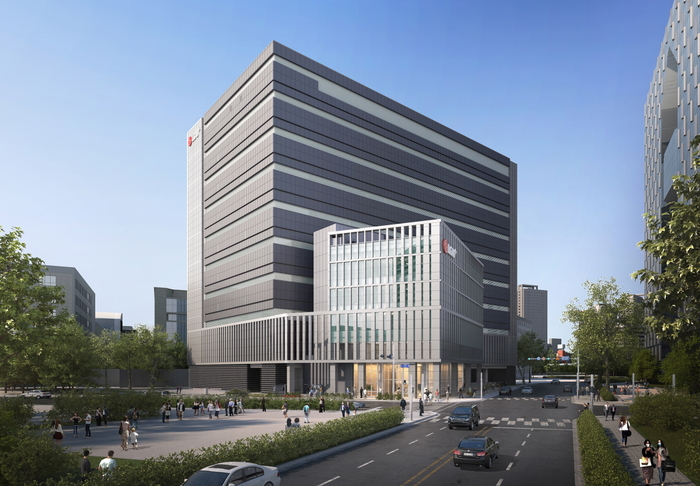
South Korea’s Seoul Capital Area is facing a critical infrastructure bottleneck as new AI Data Center (AIDC) regulations exclude the region from power grid exemptions, threatening latency-sensitive media streaming and generative content production despite 86% of existing infrastructure being concentrated there.
The glue holding the modern entertainment ecosystem together isn’t just talent or IP. it’s bandwidth. As Dana Walden reshapes Disney’s entertainment leadership to prioritize streaming efficiency and cross-platform integration, the physical infrastructure required to deliver those pixels is hitting a bureaucratic wall. In Seoul, the heart of South Korea’s media market, a regulatory clash between power grid stability and AI expansion is creating a logistical nightmare for global media conglomerates. The AI Data Center Special Act recently passed a legislative subcommittee, but it left out the capital region from crucial power grid impact assessment exemptions. For the entertainment industry, this isn’t just an energy issue; it’s a content delivery crisis.
Consider the economics of cloud gaming and high-fidelity streaming. When a data center is forced 100 kilometers away from the population center to satisfy power regulations, line fees increase by approximately 50 billion won annually. That cost inevitably trickles down to subscription pricing or eats into the backend gross of digital distribution deals. According to data from the Ministry of Trade, Industry and Energy, 86% of new data centers scheduled for 2029 are concentrated in Seoul, Gyeonggi and Incheon. Yet, under current power grid impact assessment rules, only 4 out of 195 recent applications in the capital were approved. This approval rate is functionally a moratorium on expansion for companies relying on low-latency infrastructure.
The disconnect between legislative intent and market reality is stark. The law aims to encourage AI infrastructure, yet it shackles the very locations where demand is highest. Media companies operate on thin margins where seconds of latency can ruin a live broadcast or disrupt a real-time rendering pipeline for VFX houses. Variety has long covered the shift toward cloud-based production, but those workflows require physical proximity to users. By forcing infrastructure into non-capital areas, regulators are inadvertently increasing the carbon footprint through transmission loss while degrading the user experience for millions of subscribers.
Industry insiders suggest the solution lies in a two-track policy. High-consumption hyperscale centers can be built near power plants in rural areas, but existing capital-based facilities should be allowed to transition to AI-ready configurations without triggering full grid assessments. This distinction is vital for legacy providers like KT, SK Broadband, and LG Uplus, who manage the backbone of local internet traffic. Without this flexibility, the transition to AI-driven content recommendation engines and generative post-production tools stalls.
“When regulatory frameworks ignore the geographic reality of demand, you don’t just slow down construction; you freeze innovation. For media companies, latency is the enemy of engagement. We require legal structures that recognize existing infrastructure as a strategic asset, not a liability.” — Senior Media Infrastructure Attorney
This regulatory stagnation creates immediate opportunities for specialized service providers. When a global studio faces infrastructure lockdowns in key markets, standard operational plans fail. The immediate pivot is to engage crisis communication firms and reputation managers who can navigate the public narrative around service delays. Simultaneously, the complexity of cross-border energy regulations demands high-level international media law expertise to negotiate exemptions or lobby for amendments before the bill hits the plenary session.
The Three-Way Impact on Global Media Operations
The ripple effects of this Seoul-centric bottleneck extend far beyond local telecoms. For the global entertainment directory, this signals a shift in how we vet production partners and infrastructure vendors. Here is how the regulatory gridlock alters the landscape for media buyers and producers:
- Streaming Quality & SVOD Retention: Increased distance between data centers and users introduces latency spikes. In the competitive SVOD market, buffering is a churn driver. Platforms may need to renegotiate service level agreements (SLAs) or seek tech infrastructure consulting to mitigate performance drops.
- Generative AI Production Costs: Real-time AI rendering for VFX requires massive local compute power. If capital-based centers cannot upgrade to AIDC status, production houses may face higher costs routing data to rural centers, impacting the production budget line items for post-production.
- IP & Data Sovereignty: Moving data centers further from corporate hubs complicates data governance. Legal teams must reassess intellectual property security protocols when physical servers are displaced, requiring tighter contracts with regional hosting providers.
The timeline for resolution is tight. With the bill still pending review by the Legislation and Judiciary Committee and the plenary session, there is a narrow window for lobbying. The World Today News directory notes that similar infrastructure bottlenecks in other regions have led to prolonged litigation. Media companies operating in Asia should not wait for the final vote. Proactive engagement with government relations lobbying groups is essential to ensure the final text includes the necessary carve-outs for existing infrastructure conversion.
the recent leadership shakeup at Disney, with Dana Walden unveiling a new creative team spanning film, TV, and games, highlights the industry’s push toward integrated digital experiences. The Hollywood Reporter notes that such integration relies heavily on seamless data flow. If the physical pipes are clogged by regulation, the creative vision cannot reach the audience. The synergy between creative leadership and infrastructure capability is no longer optional; We see existential.
As the summer box office cools and the industry pivots to digital dominance, the battle for bandwidth becomes the new box office war. Companies that secure reliable, low-latency infrastructure will win the engagement metrics. Those that don’t will find themselves buffering in the background. For stakeholders navigating this complex regulatory environment, the need for verified, high-level professional support is critical. Whether it is securing intellectual property law counsel to protect data assets or hiring regional event security and A/V production vendors who understand local power constraints, the directory serves as the bridge between creative ambition and logistical reality.
The future of entertainment is digital, but it is built on physical steel and silicon. When regulations threaten that foundation, the industry must respond with the same precision it applies to a blockbuster release. Don’t let infrastructure red lights dim your content’s reach.
Disclaimer: The views and cultural analyses presented in this article are for informational and entertainment purposes only. Information regarding legal disputes or financial data is based on available public records.