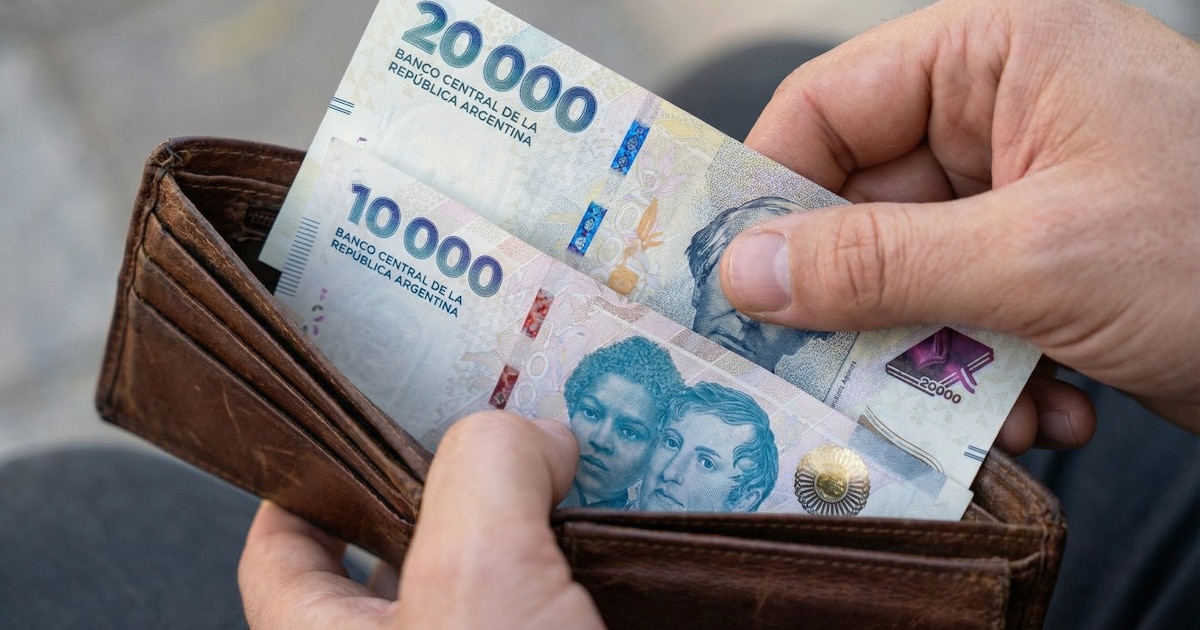
Argentina’s government is injecting pesos into the economy to stimulate consumption and bolster the peso against external pressures, particularly stemming from geopolitical instability in the Persian Gulf. This move, while providing short-term relief, raises concerns about inflationary pressures and the sustainability of current monetary policy. Businesses navigating this volatile landscape require robust financial risk management solutions to mitigate currency fluctuations and maintain profitability.
The Peso’s Resilience and the Geopolitical Backdrop
The initial impact of the conflict in the Persian Gulf on the Argentine economy has been surprisingly limited. The most immediate effect has been a nearly 20% surge in fuel prices, adding fractional points to March’s inflation rate, projected to land around 3%. However, this price increase is partially offset by a potential influx of foreign currency from increased energy exports, estimated at up to USD 5 billion for the year. Companies in the energy sector, such as Vista Energy, have already seen significant gains, with stock prices up 50% year-to-date. This volatility underscores the need for companies to proactively manage their exposure to commodity price swings, often relying on specialized commodity trading advisory firms.
Remarkably, the Argentine peso has actually strengthened amidst global turmoil. The retail exchange rate even dipped below 1,400 pesos, prompting the Central Bank to actively purchase dollars, a practice it has maintained since the beginning of the year. In the first quarter, the BCRA acquired approximately USD 3.5 billion, a figure expected to increase substantially in the second quarter with the anticipated liquidation of the major harvest, benefiting from a particularly favorable agricultural campaign. This intervention, while stabilizing the currency, also highlights the delicate balance the Central Bank must maintain to avoid depleting reserves.
Milei’s Approval Ratings and the Inflation Outlook
Despite economic headwinds, President Javier Milei’s approval ratings remain surprisingly stable, hovering between 35% and 40%. This resilience is likely due to expectations of future economic improvements and a degree of public acceptance of short-term austerity measures. However, the persistent challenge of inflation continues to erode purchasing power and contribute to rising unemployment.
Looking ahead to the second quarter, there are indications that inflation may begin to decelerate. The impact of the fuel price hike is expected to be a one-time event and a significant slowdown has already been observed in food and beverage prices, a key driver of overall inflation. According to data from the wholesale price index, February saw inflation of only 1%, signaling a potential easing of cost pressures on businesses. This shift in inflationary trends is critical for businesses planning their budgets and investment strategies, often necessitating the expertise of economic forecasting services to accurately assess future risks and opportunities.
“The stabilization of the exchange rate is a crucial factor in curbing price increases in the coming months. We are seeing a clear indication that the most aggressive phase of price acceleration is nearing its peak.” – Santiago Asenjo, Head of Research, Inversiones Patagonia.
Monetary Reversal and the Lowering of Reserve Requirements
The Central Bank’s decision to reduce reserve requirements by 5 percentage points signals a clear move towards remonetization, reversing the tight monetary policy implemented in response to the pre-election currency crisis. This measure releases approximately 2.6 trillion pesos into the banking system, although the actual impact on the market will be less substantial, as a significant portion of the released funds are tied to bonds rather than cash.

The announcement triggered a modest increase in the official exchange rate, from a low of 1,390 to 1,405 pesos, and a jump in the cash-settlement rate to 1,450 pesos. The real exchange rate has also seen a slight depreciation due to higher inflation and a weaker dollar. This discrepancy highlights the ongoing debate about Argentina’s competitiveness in the global market. While public transportation remains remarkably affordable in dollar terms, and automobile prices are declining, the cost of services has risen sharply.
Caputo’s Intervention and the 2027 Election Cycle
Central Bank Governor Luis “Toto” Caputo recently emphasized the bank’s active intervention in the foreign exchange market, stating, “If we weren’t buying dollars, the exchange rate would fall to 1,200 or even lower.” Despite this pressure, there are currently no indications of a further liberalization of the market. Both Milei and Caputo appear to be proceeding with caution, aiming to avoid any surprises, particularly as the country approaches the 2027 presidential elections. The fear of another currency run, similar to the USD 30 billion outflow experienced last year, is a significant deterrent.
Activity Divergence and Consumption Patterns
Recent economic activity data reveals a divergence between sectors. While some sectors are experiencing robust growth, others are lagging behind. Consumer spending remains weak, as evidenced by stagnant supermarket sales, indicating the financial strain on households. However, auto sales and appliance purchases remain relatively strong. This dynamic is further complicated by a shift in consumer demand towards imported goods, both through direct purchases and online platforms. This trend necessitates a deep understanding of global supply chains and international trade regulations, often requiring the assistance of specialized international trade law firms.

Current projections for GDP growth range from 2% to 4% for the year, driven by a strong harvest and the energy sector. The actual growth rate will depend on domestic demand and the overall stability of the economic environment. The latest activity data from INDEC shows positive growth in both industry and construction (1.5% monthly), as well as commerce (+1.4%).
The YPF Ruling and Kicillof’s Political Fortunes
The favorable ruling for Argentina in the New York court case regarding the YPF expropriation is a significant victory, potentially saving the country USD 16 billion in potential payments. This outcome also represents a major boost for Axel Kicillof, a potential presidential candidate in 2027. A negative ruling would have haunted his campaign, but now he can leverage the decision to defend his actions and bolster his political standing. President Milei also seized the opportunity to celebrate the ruling, attributing it to the successful legal defense mounted during his administration.
The market is already anticipating the 2027 elections. The Treasury recently issued the new Bonar 2028 bond, yielding 8.5% annually, compared to a yield of below 6% for a bond maturing one year earlier. This difference reflects the uncertainty surrounding the election and concerns about a potential change in government.
Argentina’s economic landscape remains complex and dynamic. Navigating these challenges requires a proactive approach, informed decision-making, and access to specialized expertise. The World Today News Directory provides a comprehensive platform for businesses to connect with vetted B2B partners, ensuring they have the resources they need to thrive in this evolving market. From financial risk management and economic forecasting to international trade law and commodity trading advisory, our directory offers a gateway to the solutions that drive success. Don’t navigate these turbulent waters alone – find your trusted partners today.