
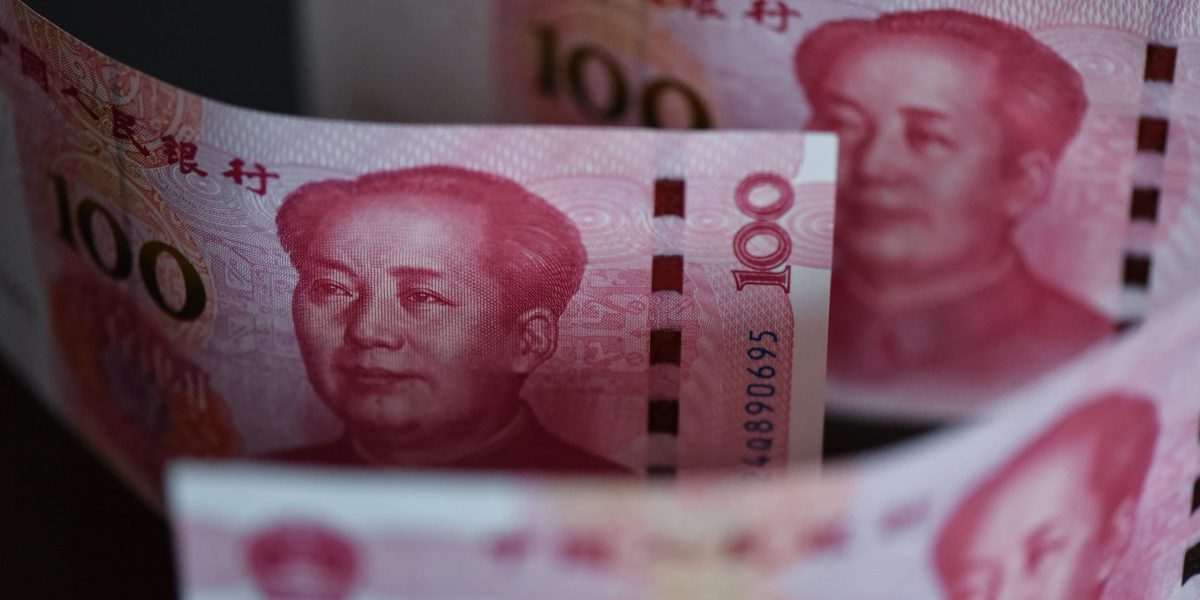
Escalating tensions in the Middle East, specifically the ongoing conflict involving Iran, are reinforcing the U.S. Dollar’s dominance in oil trade—for now. But, Deutsche Bank analysts warn that sustained instability could accelerate a shift towards the Chinese yuan, dubbed the ‘petroyuan,’ fundamentally altering global financial architecture and creating new risks for businesses reliant on stable currency exchange. This shift necessitates proactive risk mitigation strategies, particularly for firms involved in international trade and supply chain management.
The Petrodollar’s Fragile Foundation
The current system, built on the 1974 agreement between the U.S. And Saudi Arabia, isn’t merely a commercial arrangement; it’s a geopolitical compact. Saudi Arabia agreed to price its oil exclusively in U.S. Dollars and reinvest surplus revenue into U.S. Assets, effectively creating a guaranteed demand for the dollar. In return, Washington provided security guarantees, including military support and protection of vital shipping lanes like the Strait of Hormuz. This arrangement, dubbed the “petrodollar” system, has been a cornerstone of U.S. Financial power for decades. The dollar’s role as the primary currency for oil transactions naturally extends to global trade, as oil is a critical input for manufacturing, transportation, and even the production of essential materials like petrochemicals and helium—a key component in semiconductor manufacturing. The sheer volume of dollar-denominated transactions creates a self-reinforcing cycle, bolstering the dollar’s status as the world’s reserve currency.
However, this foundation is showing cracks. The U.S.’s diminished role as a reliable security guarantor in the Middle East, coupled with the rise of alternative payment systems, is creating opportunities for other currencies to gain traction. The recent Iran war has exposed vulnerabilities in the U.S.-led security umbrella, with Iranian missile and drone attacks inflicting significant damage on U.S. And allied infrastructure. This has prompted Gulf states to reassess their reliance on U.S. Protection and explore alternative security arrangements, potentially including negotiating safe passage for oil shipments in exchange for payment in yuan.
The Petroyuan’s Ascent: A Matter of When, Not If?
Even before the current conflict, the petrodollar system faced pressure. U.S. Sanctions on Russian and Iranian oil created a parallel, illicit trade network operating outside the dollar system, utilizing currencies like the yuan. Saudi Arabia’s participation in the mBridge project, a central bank digital currency initiative led by China, signals a willingness to explore alternatives to the dollar-based payment infrastructure. According to the Bank for International Settlements, mBridge aims to facilitate cross-border payments using digital currencies, potentially bypassing traditional correspondent banking networks and reducing reliance on the dollar. [BIS mBridge Project]

“The current conflict may expose further fault lines, by challenging the US security umbrella for Gulf infrastructure and the maritime security for global trade in oil,” warned Deutsche Bank analysts in their recent report. “The conflict could be remembered as a key catalyst for erosion in petrodollar dominance, and the beginnings of the petroyuan.”
The implications of a shift towards the petroyuan are far-reaching. A decline in the dollar’s dominance would erode the “exorbitant privilege” the U.S. Enjoys – the ability to issue debt at lower rates due to the dollar’s reserve currency status. This could lead to higher borrowing costs for the U.S. Government and potentially trigger a broader financial crisis. Companies heavily reliant on dollar-denominated trade would face increased currency risk and potentially higher transaction costs.
Beyond Currency: The Energy Transition as a Disruptor
However, the threat to the dollar isn’t solely about currency competition. A more fundamental shift is underway: the global transition away from fossil fuels. As countries invest in renewable energy sources and electric vehicles, demand for oil is expected to decline, diminishing the importance of the petrodollar system. Deutsche Bank estimates that global oil demand could peak within the next decade, accelerating the shift towards alternative currencies and payment systems. [International Energy Agency – World Energy Outlook 2023]

This energy transition is particularly pronounced in Asia, where countries heavily reliant on Middle Eastern oil are actively diversifying their energy sources and rationing supplies. The surge in demand for electric vehicles, coupled with investments in renewable energy infrastructure, is reducing dependence on oil and creating new opportunities for alternative currencies. “The energy choices of the Global South, Europe and North Asia will be key to track,” Deutsche Bank noted. “A move away from oil could be as powerful as the pressure to price it in other currencies.”
Navigating the New Landscape: B2B Implications
The potential unraveling of the petrodollar system presents significant challenges for businesses operating in the global marketplace. Companies involved in international trade, particularly those with exposure to the Middle East and Asia, demand to proactively manage currency risk and diversify their payment options. This requires sophisticated financial planning and access to specialized expertise.
For example, businesses facing increased currency volatility may need to engage financial risk management consultants to develop hedging strategies and mitigate potential losses. Companies expanding into new markets may require assistance from international trade law firms to navigate complex regulatory requirements and ensure compliance with local laws. The increasing complexity of cross-border transactions likewise necessitates robust supply chain finance solutions to optimize cash flow and reduce payment delays.
The situation demands a proactive approach. Companies cannot afford to wait for the petrodollar system to collapse before taking action. Those that anticipate the shift and adapt their strategies accordingly will be best positioned to thrive in the evolving global financial landscape.
The Impact on Sovereign Wealth Funds
The potential erosion of the petrodollar also has significant implications for sovereign wealth funds (SWFs) in Gulf states. These funds, which hold trillions of dollars in assets, have historically invested heavily in U.S. Treasury bonds and other dollar-denominated assets. A decline in the dollar’s dominance could lead to a re-allocation of assets towards other currencies and asset classes, potentially impacting U.S. Interest rates and financial markets. According to the Sovereign Wealth Fund Institute, these funds collectively manage over $11 trillion in assets globally. [Sovereign Wealth Fund Institute]
As the geopolitical landscape shifts and the global economy undergoes a period of profound transformation, businesses must remain vigilant and adapt to the changing dynamics. The future of the petrodollar is uncertain, but one thing is clear: the world is moving towards a more multipolar financial system.
To navigate this complex environment, businesses need access to reliable information, expert advice, and innovative solutions. The World Today News Directory provides a comprehensive platform for connecting with vetted B2B partners who can help you mitigate risk, optimize your financial performance, and capitalize on new opportunities. Don’t wait for the tide to turn – start building your resilience today.