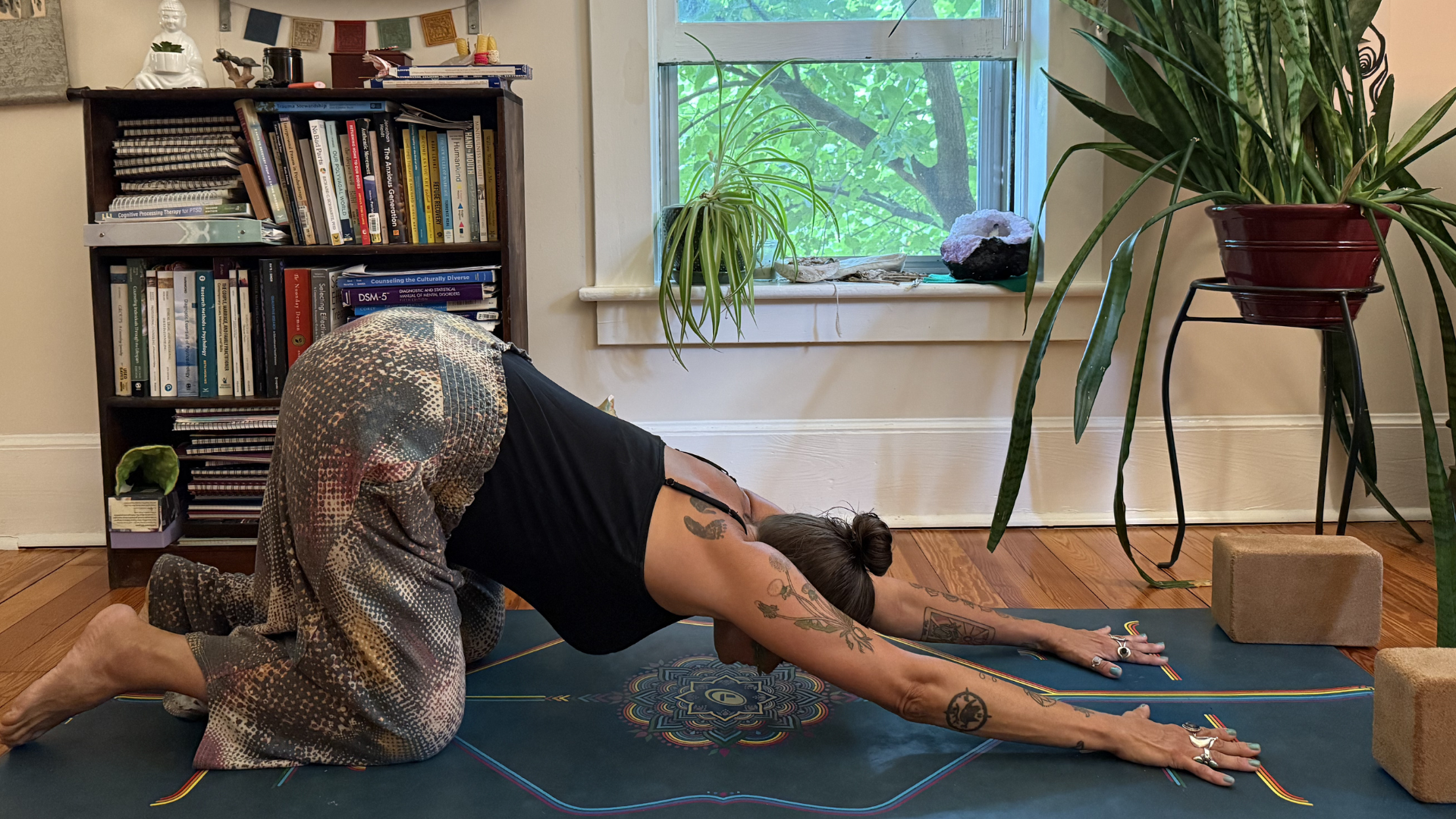
5 Yoga Poses to Confront and Heal Your Inner Shadow
Integrating specific yoga postures into a psychological practice known as “shadow work” may facilitate the processing of repressed emotional material through a combination of somatic awareness and nervous system regulation. While shadow work—a concept popularized by Jungian psychology—focuses on identifying and integrating unconscious aspects of the personality, recent clinical interest has shifted toward how physical movement can modulate the autonomic nervous system to support this introspective labor.
Key Clinical Takeaways:
- Shadow work, when paired with somatic practices like yoga, aims to align unconscious emotional states with conscious awareness through physical grounding.
- Specific poses, such as those targeting the hip flexors and thoracic spine, may help release chronic muscular tension often associated with suppressed psychological stress.
- Patients should approach these practices as a complementary tool and consult with a licensed mental health professional if trauma or severe psychological distress is identified.
The intersection of somatic movement and cognitive processing is grounded in the understanding of the mind-body connection. Research published in the Journal of Clinical Psychology suggests that yoga interventions can significantly reduce symptoms of anxiety and depression by modulating the hypothalamic-pituitary-adrenal (HPA) axis. By lowering cortisol levels, individuals may find it easier to engage in the challenging, often uncomfortable process of shadow work without triggering an acute fight-or-flight response.
Physiological Mechanisms of Somatic Integration
The efficacy of using yoga to support psychological exploration lies in the release of stored tension. According to research from the International Journal of Yoga, the practice of asana, or physical postures, encourages interoceptive awareness—the ability to sense internal physical states. This awareness is a precursor to emotional regulation. When an individual holds a pose that targets the psoas muscle, for instance, they may experience a release of physical tension that correlates with the surfacing of suppressed emotions. This is not a “cure,” but rather a physiological mechanism that allows the nervous system to remain stable while the mind explores difficult psychological territory.
As noted by Dr. Bessel van der Kolk in his extensive work on trauma, the body often holds the “score” of past experiences. Engaging in intentional movement acts as a bridge, allowing the brain to process these experiences in a safe, controlled environment. For those struggling to bridge the gap between physical tension and emotional processing, it is essential to work with a licensed somatic therapist or trauma-informed yoga practitioner who can provide a safe container for this work.
Clinical Considerations and Contraindications
While the combination of yoga and shadow work offers potential benefits for emotional health, it is not without risks. Clinical environments must prioritize patient safety. For individuals with a history of complex trauma, certain poses can inadvertently trigger a dissociative response or a flashback. The standard of care for integrating movement into mental health treatment involves a phased approach, where the patient’s capacity for self-regulation is assessed prior to intensive work.
If an individual experiences persistent psychological instability or severe emotional dysregulation, the clinical advice is to pause self-guided practices and seek professional evaluation. Coordinating care between a primary care physician and a board-certified mental health specialist ensures that the patient remains within their “window of tolerance.” Patients seeking to establish a structured, safe approach to this integration should consult with specialized behavioral health clinics that offer multidisciplinary support.
Future Trajectories in Somatic Research
The scientific community is increasingly recognizing the limitations of purely cognitive-based therapies. Future research, currently being tracked by bodies such as the National Center for Complementary and Integrative Health (NCCIH), is likely to focus on the long-term efficacy of combined somatic and psychotherapeutic interventions. As data collection matures, the goal is to standardize these protocols, transforming them from anecdotal wellness practices into evidence-based clinical adjuncts.
For practitioners and patients alike, the transition toward evidence-based somatic care requires rigorous vetting of the resources and methodologies employed. Ensuring that one’s support system is rooted in established medical and psychological standards is the most effective way to optimize outcomes. For those looking to integrate these practices into a comprehensive health plan, connecting with vetted integrative medicine practitioners can provide the necessary oversight to ensure progress remains safe and sustainable.
Disclaimer: The information provided in this article is for educational and scientific communication purposes only and does not constitute medical advice. Always consult with a qualified healthcare provider regarding any medical condition, diagnosis, or treatment plan.