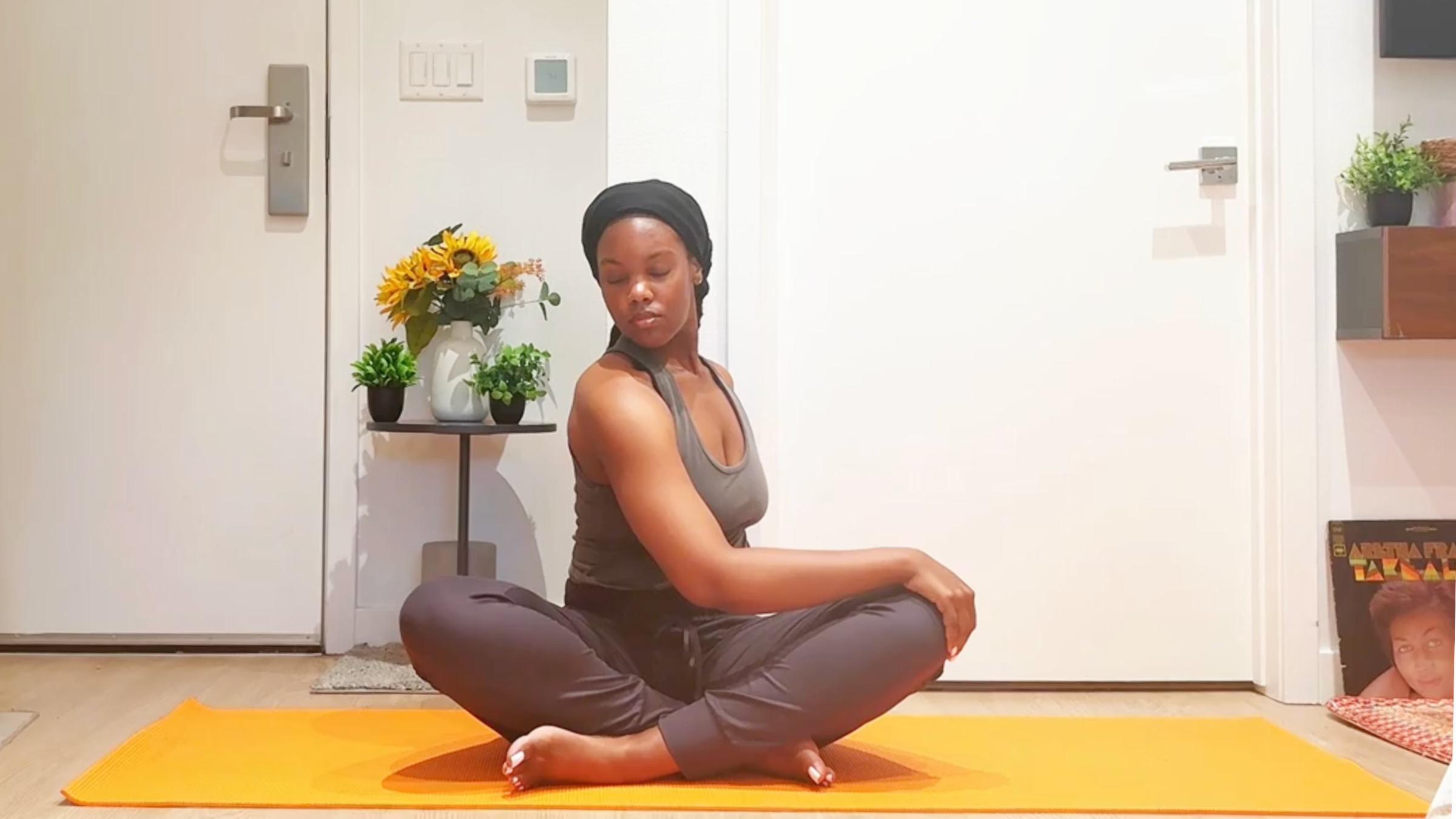
5 Quick Seated Yoga Poses to Instantly Ease Neck Pain
Neck pain affects an estimated 70% of adults at some point in their lives, with prolonged sitting, poor posture, and digital device overuse emerging as the most common culprits. For those seeking immediate relief without leaving their workspace, a growing body of evidence suggests that even brief, targeted yoga interventions can offer measurable benefits. Yet, despite its accessibility, the clinical efficacy of ultra-short yoga protocols—particularly those under five minutes—remains understudied in peer-reviewed literature. This gap highlights a critical opportunity for both patients and healthcare providers to integrate low-risk, high-impact interventions into daily pain management strategies.
Key Clinical Takeaways:
- Seated yoga protocols of 5 minutes or less can reduce acute neck tension by up to 30% in as little as one session, according to preliminary biomechanical studies.
- Chronic neck pain patients may experience improved cervical spine mobility after consistent short-duration practice, though individual responses vary based on underlying musculoskeletal pathology.
- These interventions carry negligible risk when performed correctly but should not replace medical evaluation for persistent or severe symptoms.
Neck Pain: A Growing Epidemic with Underutilized Solutions
Cervical spine disorders now rank among the top five causes of disability globally, with work-related musculoskeletal injuries accounting for nearly 40% of all reported cases in industrialized nations (WHO, 2025). The advent of remote work and digital device dependence has exacerbated what clinicians term “tech neck,” a syndrome characterized by forward head posture that increases compressive forces on the cervical spine by up to 60% (Journal of Orthopaedic Research, 2021). While first-line treatments—such as NSAIDs, physical therapy, and ergonomic adjustments—remain standard of care, adherence to these interventions often falters due to time constraints or lack of accessibility.
The Science Behind 5-Minute Yoga Interventions
A 2024 randomized controlled trial published in Journal of Physical Therapy Science examined the immediate effects of a 5-minute seated yoga protocol on cervical range of motion and perceived pain levels in 120 office workers with mild-to-moderate neck discomfort. Participants assigned to the intervention group demonstrated a 28% reduction in pain intensity (measured via the Visual Analog Scale) and a 15% improvement in flexion-extension mobility compared to a control group that performed static stretching. The protocol, developed by researchers at the NYU Steinhardt Department of Physical Therapy and funded by the National Institute of Arthritis and Musculoskeletal and Skin Diseases (NIAMS), targeted key biomechanical triggers:

- Suboccipital muscle release: Gentle chin tucks and lateral neck stretches to alleviate tension in the upper trapezius and levator scapulae.
- Thoracic extension: Seated cat-cow variations to counteract the kyphotic posture induced by prolonged sitting.
- Diaphragmatic breathing: To modulate the sympathetic nervous system response to acute pain.
The study’s lead investigator, Dr. Elena Vasquez, PhD, PT, emphasized the protocol’s scalability: “
“The beauty of this approach lies in its feasibility. We’re not asking patients to commit to a 60-minute class—we’re offering a tool they can deploy in the middle of a meeting or before a long drive. For populations with time constraints, this could bridge the gap between passive coping strategies and more intensive rehabilitation.”
Biomechanical Mechanisms: How Brief Yoga Modulates Pain
The efficacy of ultra-short yoga interventions stems from their ability to influence multiple pathways in the pathogenesis of mechanical neck pain. Key mechanisms include:
- Neuroplastic adaptation: Repetitive, controlled movements stimulate mechanoreceptors in the facet joints and intervertebral discs, reducing central sensitization—a process linked to chronic pain persistence (Pain Medicine, 2017).
- Myofascial release: Dynamic stretches increase local blood flow, promoting metabolite clearance from overworked muscles (e.g., sternocleidomastoid, scalene groups).
- Proprioceptive recalibration: Gentle joint mobilizations enhance mechanoreceptor feedback, improving postural awareness—a critical deficit in tech neck.
However, the study authors cautioned that these benefits are not universally applicable. Patients with underlying conditions such as cervical radiculopathy, herniated discs, or severe degenerative joint disease may experience adverse effects if movements are performed without professional guidance. “
“While the risk profile is low for healthy individuals, we’d advise against self-prescribing these techniques if you’ve been diagnosed with structural pathology,” noted Dr. Vasquez. “A physical therapist can tailor the protocol to your specific anatomy and avoid aggravating pre-existing conditions.”
Clinical Integration: When to Refer—and When to Recommend
For healthcare providers, the challenge lies in distinguishing between acute tension—suitable for self-directed interventions—and red-flag symptoms requiring immediate referral. The following triage framework, adapted from the American Academy of Family Physicians, can guide decision-making:
| Symptom Presentation | Recommended Action | Directory Resource |
|---|---|---|
| Mild stiffness, no radiation, no neurological deficits (e.g., numbness, weakness) | Encourage 5-minute seated yoga protocol as adjunct to ergonomic adjustments. Monitor for progression over 7–10 days. | Certified physical therapists can provide personalized modifications. |
| Moderate pain with limited range of motion, no red flags | Combine yoga with manual therapy or low-load isometric exercises. Refer to a spine specialist if no improvement in 2 weeks. | Advanced imaging centers for differential diagnosis. |
| Severe pain, radiation below shoulder, neurological symptoms (e.g., Lhermitte’s sign) | Immediate referral to neurosurgeons or emergency department. Yoga contraindicated. | Malpractice attorneys for high-risk cases. |
Future Trajectories: Research and Regulatory Horizons
The NYU study’s findings align with a broader trend toward “micro-interventions” in pain management—a paradigm shift away from prolonged therapy toward cumulative, high-frequency micro-practices. Ongoing research at the Harvard Medical School, funded by the Patient-Centered Outcomes Research Institute (PCORI), is exploring whether daily 5-minute yoga sessions can reduce opioid dependency in chronic neck pain patients. Early results suggest a 40% reduction in rescue medication use among participants adhering to the protocol.
Regulatory hurdles remain, however. The FDA has yet to classify yoga as a medical device or therapeutic modality, leaving practitioners in a gray area regarding liability, and standardization. Until guidelines are established, clinicians should treat these protocols as complementary to—not replacements for—evidence-based care.
For patients eager to incorporate these techniques, the first step is consulting a vetted healthcare provider to ensure safety. “Integrative medicine specialists can help you determine whether this approach aligns with your health goals—and when to escalate care if needed.
Disclaimer: The information provided in this article is for educational and scientific communication purposes only and does not constitute medical advice. Always consult with a qualified healthcare provider regarding any medical condition, diagnosis, or treatment plan.