5 Morning Hip Exercises to Rebuild Strength After 60 (Better Than Gym Machines!)
Hip strength serves as the biological foundation for functional autonomy after the age of 60. As we navigate the physiological realities of aging, the degradation of the musculature surrounding the pelvis—specifically the gluteal complex—often manifests as reduced gait velocity and impaired postural stability. While commercial gym equipment offers targeted resistance, it frequently fails to replicate the multi-planar stabilization required for activities of daily living. A strategic, morning-based approach to hip activation can mitigate these risks by optimizing neuromuscular recruitment before the onset of daily mechanical stress.
Key Clinical Takeaways:
- Morning hip activation routines prioritize neuromuscular control and stabilization over brute force, reducing the risk of musculoskeletal injury.
- Clinical evidence demonstrates that strengthening the gluteus medius and maximus is essential for mitigating chronic lower back pain and improving postural balance.
- Consistency in movement patterns, rather than high-intensity, sporadic gym sessions, is the primary driver of functional improvement in the geriatric population.
The Pathogenesis of Hip Weakness and Mobility Decline
The clinical challenge of hip weakness in older adults is rooted in the interplay between sedentary behavior and natural sarcopenia. Research published in the Archives of Physical Medicine and Rehabilitation highlights that hip muscle strength and structural integrity are primary determinants of success in mobility tasks. When the hip stabilizers—the gluteus medius, minimus, and the deep rotators—fail to fire in coordination with the core, the kinetic chain breaks down. This leads to compensatory patterns, such as lumbar hyperextension or knee valgus, which increase the risk of morbidity related to falls.
According to a systematic review in Sports (Basel), targeted hip strengthening exercises are highly effective in managing pain and disability in patients presenting with non-specific low back pain. This study, which utilized meta-analysis to evaluate efficacy, confirms that restoring the functional capacity of the posterior chain is a non-pharmacological gold standard for long-term spinal health. For those currently managing chronic discomfort, it is essential to consult with board-certified physical therapists who specialize in geriatric biomechanics to establish a baseline for your specific joint health.
Clinical Efficacy of Targeted Morning Activation
The following five exercises are designed to restore hip function by engaging the gluteal complex through controlled, low-impact tension. Unlike gym-based isolation machines, these movements require active stabilization from the core, mimicking the requirements of real-world movement.
1. Mini-Band Lateral Walks
By placing resistance around the thighs or ankles, this movement forces the abduction muscles to counteract the band’s tension. This strengthens the gluteus medius, a crucial muscle for pelvic stabilization during the gait cycle. Clinical Note: Ensure the torso remains upright to avoid spinal compensation.
2. Banded Quality Mornings
This exercise teaches the hip hinge, a fundamental movement pattern. By loading the posterior chain with a resistance band, you improve the eccentric control of the hamstrings, and glutes. This is particularly relevant for mitigating the impact of prolonged sitting, which often leads to gluteal amnesia.
3. Glute Bridge Holds
Isometric holds at the peak of hip extension facilitate maximum motor unit recruitment in the gluteus maximus. By removing the dynamic component, you force the body to maintain structural alignment, which is critical for standing tall and maintaining balance. If you struggle with persistent pelvic floor or hip discomfort, a consultation with a specialized orthopedic clinic can rule out underlying pathology before beginning this routine.
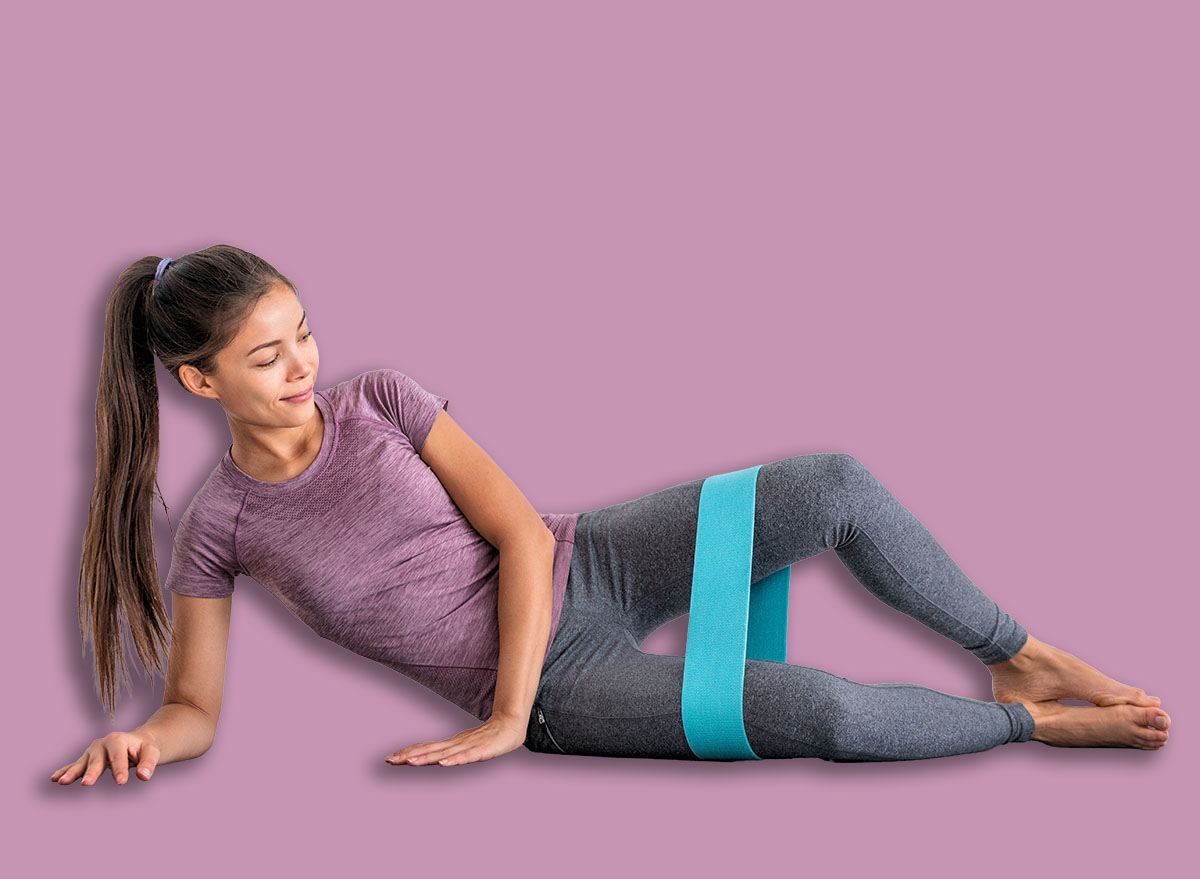
4. Side-Lying Clam Shells
This exercise isolates the deep hip rotators. While subtle, the clam shell is a highly effective tool for preventing knee valgus during functional movement. Maintaining a quiet pelvis is key to ensuring the tension remains localized in the hip stabilizers rather than the lower back.
5. Bodyweight Squats
Squats integrate the entire lower-body kinetic chain. By performing these in a controlled, morning session, you reinforce the neural pathways required for sitting, standing, and stair negotiation. The goal is to optimize the depth of the squat while maintaining a neutral spine.
Optimizing Long-Term Mobility and Clinical Triage
The transition from a state of stiffness to functional fluidity requires a commitment to consistent, low-load training. As noted by leading researchers, the primary goal of these interventions is to improve the “signal-to-noise” ratio in neuromuscular communication—ensuring the brain successfully commands the hips to stabilize the body during movement. For individuals who have reached a plateau in their functional progress, working with professional clinical exercise physiologists is the most effective way to tailor these protocols to specific anatomical needs.
Future research continues to explore the correlation between hip strength and cognitive outcomes, as improved mobility is intrinsically linked to greater social engagement and reduced morbidity in the elderly. As we look toward the next decade of geriatric health, the shift toward preventative, home-based strength protocols will likely become the standard of care. Those managing complex, multi-system health conditions should ensure their primary care providers are kept informed of these additions to their daily physical activity to ensure safety and clinical alignment.
Disclaimer: The information provided in this article is for educational and scientific communication purposes only and does not constitute medical advice. Always consult with a qualified healthcare provider regarding any medical condition, diagnosis, or treatment plan.