5 Bodyweight Exercises to Test Your Strength After 55
Maintaining musculoskeletal integrity after the age of 55 is not merely a matter of vanity or athletic pursuit; it is a critical clinical intervention against the systemic decline of the human frame. As the body navigates the biological transitions of late middle age, the ability to manipulate one’s own mass becomes the definitive metric of functional longevity.
- Key Clinical Takeaways:
- Bodyweight mastery after 55 serves as a primary proxy for functional independence and a reduced risk of frailty.
- Sarcopenia—the age-related loss of skeletal muscle mass—can be mitigated through compound movements that challenge stability and coordination.
- Functional fitness tests, such as single-leg balance and deep squats, are superior predictors of real-world mobility compared to isolated machine-based strength.
The onset of sarcopenia typically begins in the third decade of life, characterized by a progressive loss of skeletal muscle mass and strength. By the time an individual reaches 55, the cumulative effect of muscle atrophy, combined with a decline in neuromuscular efficiency, often manifests as a loss of autonomy. This physiological erosion is not inevitable, but it is persistent. The clinical challenge lies in the “fragility cycle,” where decreased activity leads to further muscle wasting, increasing the risk of falls and subsequent morbidity.
Marwa Ahmed, a NASM-Certified Personal Trainer and CEO of The BodyMind Coach, posits that bodyweight exercises are the gold standard for assessing this functional state. Unlike resistance machines, which stabilize the user in a fixed plane of motion, bodyweight movements require the integration of the core, the vestibular system, and proprioceptive feedback. This holistic demand mirrors the requirements of daily existence—rising from a chair, carrying groceries, or recovering from a stumble.
The Biomechanics of Upper Body Stability and Core Integration
The pushup remains a foundational diagnostic tool for upper-body kinetics. From a clinical perspective, a pushup is essentially a moving plank; it requires the simultaneous activation of the pectoralis major, triceps brachii, and the entire anterior core chain to prevent lumbar hyperextension. For those over 55, the ability to maintain a straight kinetic chain while lowering the chest toward the floor indicates significant joint stability in the glenohumeral joint and the scapula.
When the core fails to stabilize, the resulting spinal misalignment can exacerbate pre-existing degenerative disc disease. For individuals struggling with form or experiencing joint pain during these movements, consulting a [Board-Certified Physical Therapist] is essential to ensure that the exercise does not induce further injury. The goal is not a specific number of repetitions, but the mastery of the movement pattern to preserve joint longevity.
Combating Lower-Body Atrophy Through Compound Loading
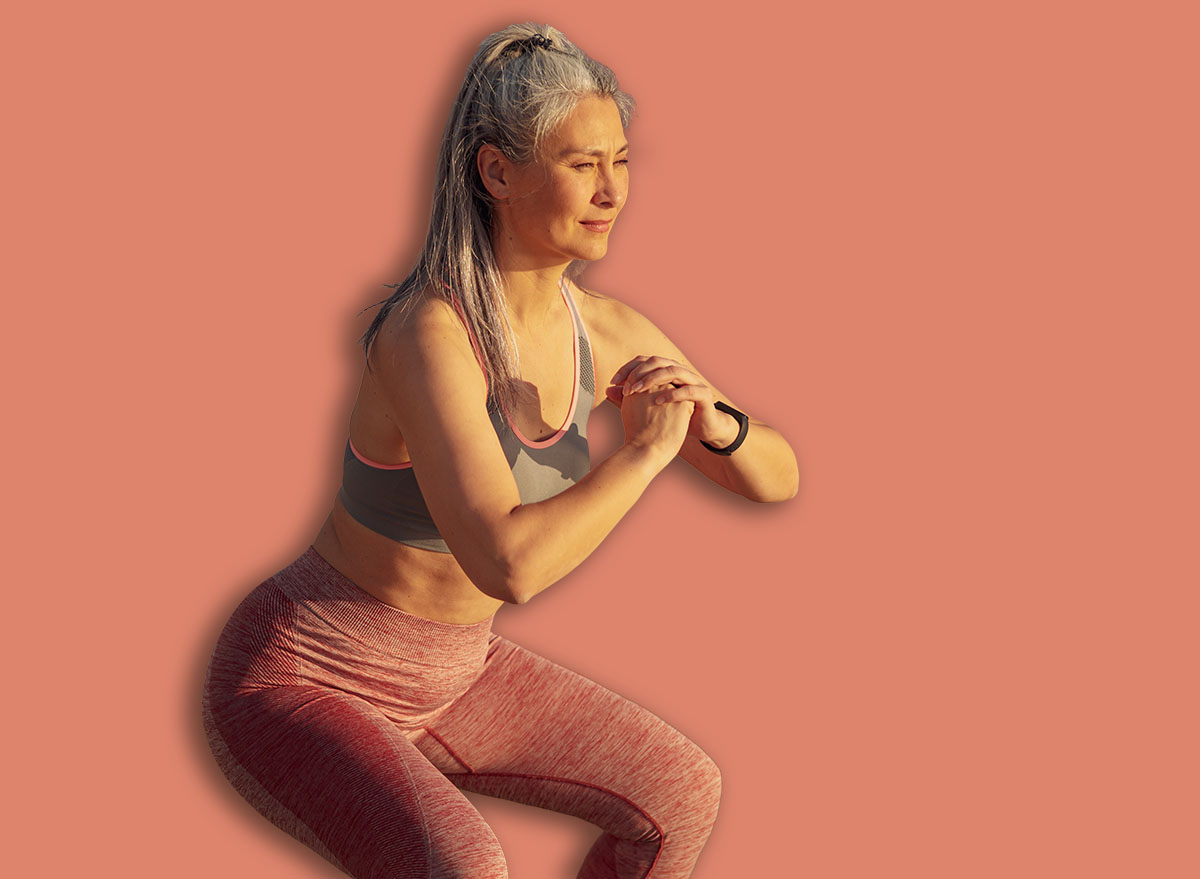
Bodyweight squats and lunges target the largest muscle groups in the body—the quadriceps, glutes, and hamstrings. The clinical significance of the deep squat (where thighs are parallel to the floor) cannot be overstated. The ability to descend and ascend independently is the primary differentiator between an aging adult who maintains independence and one who requires assisted living.

Lunges introduce a unilateral challenge, forcing the body to manage asymmetrical loads. This movement targets the stabilizers of the hip and ankle, which are often the first to degrade during the aging process. This type of resistance training is recognized by the World Health Organization (WHO) as a critical component in preventing falls and reducing the incidence of hip fractures in older populations. Research funded by the National Institutes of Health (NIH) consistently demonstrates that progressive resistance training increases bone mineral density, offering a non-pharmacological defense against osteoporosis.
“The transition from machine-based exercise to functional bodyweight movement is where we see the most significant improvement in patient quality of life. When a patient can move their own center of gravity with control, their fear of falling decreases, and their psychological confidence in their own body returns.”
The Neurological Component: Proprioception and the Single-Leg Balance
While pushups and squats address hypertrophy and strength, the single-leg balance test addresses the nervous system. Proprioception—the body’s ability to perceive its position in space—declines with age as sensory receptors in the joints and muscles become less responsive. This neurological decay is a primary driver of fall-related injuries in the elderly.
Standing on one leg requires the brain to process rapid-fire data from the inner ear (vestibular system) and the soles of the feet (somatosensory system) to make micro-adjustments in muscle tension. Mastery of this movement indicates a healthy neuromuscular connection. For those experiencing chronic instability or dizziness, it is highly recommended to seek a comprehensive evaluation from a [Neurologist or Geriatric Specialist] to rule out underlying vestibular dysfunction or peripheral neuropathy.
The Role of Core Endurance in Spinal Protection
The plank is the ultimate test of isometric strength. By engaging the abdominals, glutes, and quads simultaneously, the plank creates a rigid cylinder of support around the spine. In the context of aging, this “bracing” capability is what protects the vertebrae during sudden movements or heavy lifting. A lack of core endurance often leads to compensatory movements in the lower back, accelerating the pathogenesis of chronic lumbar pain.

To optimize these results, strength training must be paired with metabolic support. The synergy between protein intake and resistance exercise is vital for triggering muscle protein synthesis. Patients are encouraged to coordinate with a [Registered Dietitian] to ensure they are meeting the increased protein requirements necessary to combat age-related muscle wasting.
The Future of Functional Longevity
The trajectory of geriatric medicine is shifting away from the mere management of chronic disease toward the aggressive preservation of function. The evidence is clear: strength is the most reliable currency of health in the later stages of life. By mastering these five movements, individuals over 55 are not just “staying fit”—they are actively restructuring their biological resilience against the inevitable pressures of aging.
The path to this level of strength requires a personalized approach, blending rigorous movement with clinical oversight. Whether you are looking to optimize your current routine or recovering from a period of inactivity, the first step is finding a vetted professional who understands the unique physiological needs of the 55+ demographic. We encourage you to utilize our directory to connect with certified specialists who can guide your journey toward functional mastery.
Disclaimer: The information provided in this article is for educational and scientific communication purposes only and does not constitute medical advice. Always consult with a qualified healthcare provider regarding any medical condition, diagnosis, or treatment plan.