5 Best Exercises to Prevent and Relieve Pregnancy Pain
As physical changes alter internal pressure systems during pregnancy, physical therapists report that expectant mothers frequently experience discomforts such as hemorrhoids, leg cramps, and sciatica. To combat this physical strain, pregnancy and postpartum fitness platforms have outlined five targeted exercises designed to build lateral hip stability and strengthen deep core muscles across all trimesters.
The physical demands of a growing body often catch expectant mothers off guard. Many wonder if intense aches are simply an inevitable part of the journey. Pregnancy and postpartum physical therapists note that these common strains stem from shifts in internal pressure systems as the body adapts to a growing baby. Physical therapist Krystle Howald, who operates the workout platform Expecting and Empowered, emphasizes that proactive movement makes a significant difference. “I wish people knew a lot of things are preventable during pregnancy,” Howald states.
Addressing these physical challenges early requires a structured routine. Expecting and Empowered recommends performing two sets of five key movements three times a week. This regimen helps fulfill the Centers for Disease Control and Prevention recommendation of 150 minutes of moderate-intensity physical activity weekly for pregnant women, supplemented by daily stretching. Medical professionals maintain safety standards during these routines. Dr. Ana Cepin, director of community women’s health at Columbia University Irving Medical Center, advises that individuals experiencing dizziness, shortness of breath, or chest pain must stop exercising immediately.
Correcting the Pregnancy Gait with Lateral Hip Movements
The characteristic waddle associated with late-stage pregnancy is a common adaptation to added pelvic weight and loosening ligaments preparing for childbirth. According to Howald, this gait occurs because feet and hips gradually rotate outward, which can trigger pelvic pain or worsen existing back and sciatica discomfort. To counteract this tendency, fitness experts recommend side-to-side movements that preserve lateral hip control.

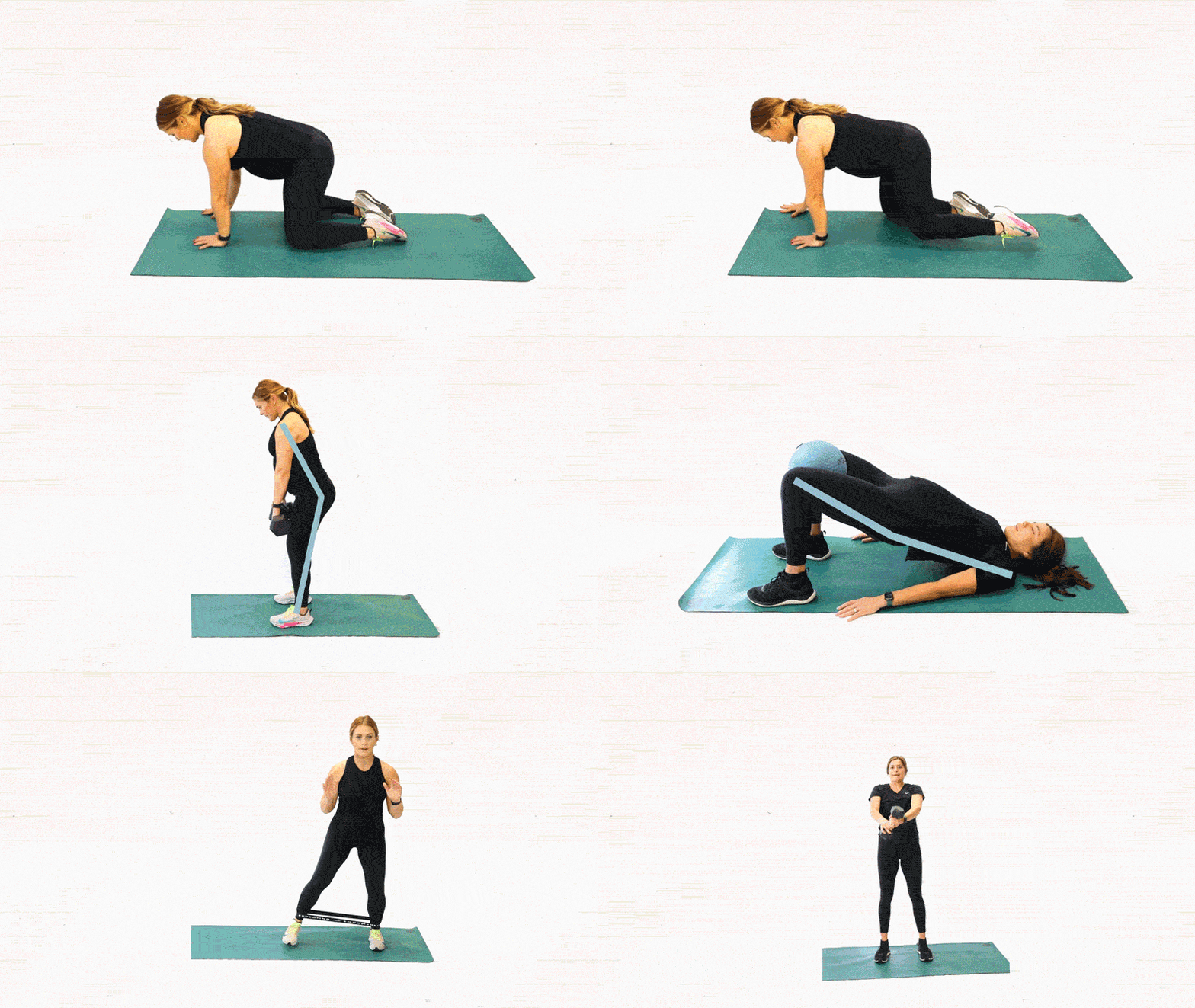
Demonstrating these techniques alongside certified personal trainer and Expecting and Empowered co-founder Amy Kiefer, fitness instructor Holly Keskey-Koester highlights banded walks as an effective remedy. Exercisers step into a resistance band positioned above the ankle, maintain width to keep tension, and take controlled steps to the side across a yoga mat. Additional stabilizing movements include side-lying leg lifts, lateral lunges, and glute bridges. For glute bridges, individuals lie on their backs with knees bent, feet flat, and heels positioned six to eight inches from the glutes, lifting their hips while driving heels into the floor and optionally squeezing an exercise ball between the knees for 15 repetitions.
Strengthening the Deep Core and Pelvic Floor
Beyond hip stability, protecting the spine and supporting internal organs requires activating the deep core, specifically the transverse abdominis. Howald describes this deep abdominal muscle layer as a personal set of structural support wrapping around the spine. Maintaining strength in this area assists posture and benefits pelvic floor health.

Pelvic floor physical therapist Janelle Frederick notes that a strong pelvic floor supports the muscles that must open during delivery. Maintaining tone in these areas during prenatal stages can help mitigate issues like urinary leakage and hemorrhoids. Throughout the first trimester, exercises such as bear crawls, side planks, and bird dogs serve to reduce structural aches.
The integration of these physical regimens into daily routines provides a structured pathway toward managing prenatal discomfort. By focusing on preventive strength training backed by certified instructors and medical professionals, expectant mothers can maintain mobility and stability throughout their pregnancy journey.