
interstellar Comet 3I/ATLAS Reveals Clues to Ancient Star Systems
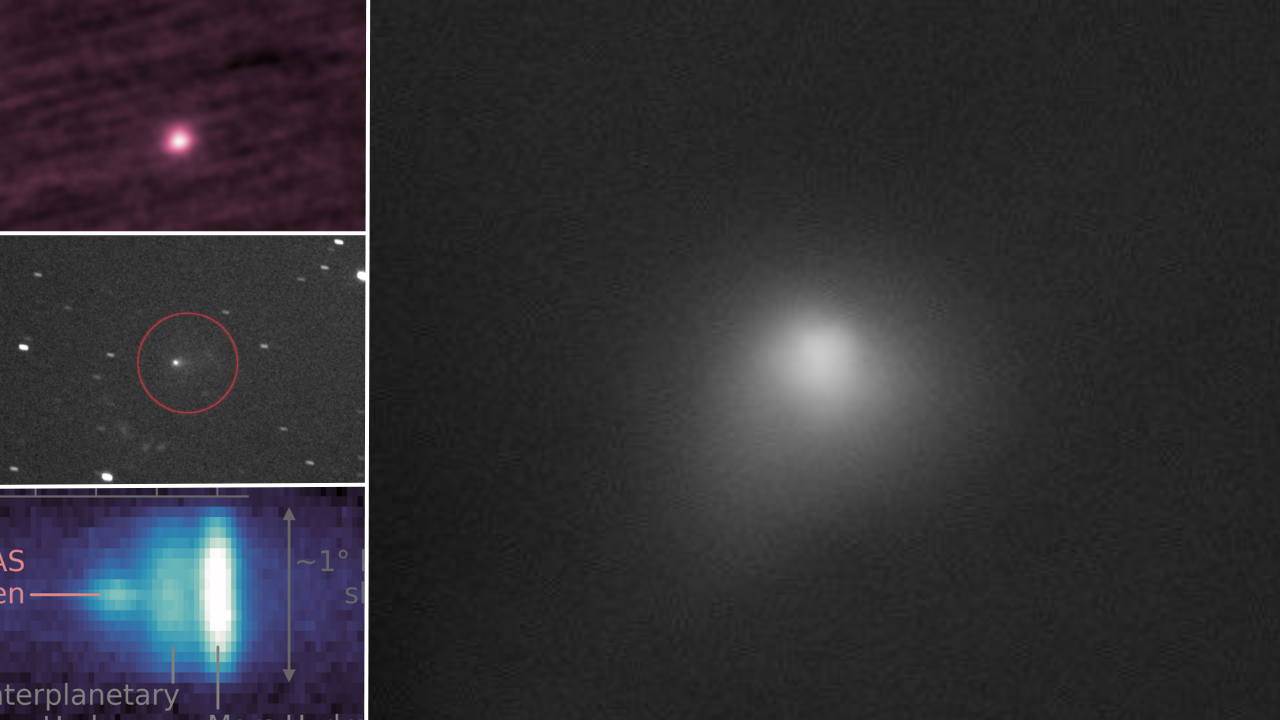
WASHINGTON – Astronomers are gaining unprecedented insights into the building blocks of planetary systems beyond our own thanks to the interstellar comet 3I/ATLAS, recently observed making its closest approach to the sun. NASA scientists have revealed four key findings about the comet, offering a rare glimpse into the composition and history of star systems potentially older than our solar system.
The comet,discovered in 2023,is only the third confirmed interstellar visitor detected passing through our solar system. Studying 3I/ATLAS provides a unique opportunity to analyze material formed around a different star, potentially unlocking secrets about the early stages of planet formation and the diversity of planetary systems throughout the galaxy. “It is a new window into the makeups and histories of other solar systems,” explained Dr. Tony Statler, a research scientist at NASA’s Jet Propulsion Laboratory.
1) A Long Journey From Afar: 3I/ATLAS has likely traveled through interstellar space for an extended period. Its high velocity upon entering our solar system suggests it originated in a very old planetary system, possibly predating the formation of Earth and the sun.
2) A Unique Chemical Signature: As the comet warms near the sun, it’s exhibiting behavior consistent with a comet, releasing water and carbon dioxide. Though, scientists have detected a higher-than-usual ratio of carbon dioxide to water compared to typical solar system comets. Additionally, the comet contains gas unusually rich in nickel relative to iron.
3) A Rare Window into Distant, Older Star Systems: The comet’s characteristics suggest it originated in a very old planetary system. “That gives me goosebumps to think about, frankly,” Statler said, adding that 3I/ATLAS may reveal insights into cosmic history that predates our own solar system.
4) Atypical Dust Behavior: The dust surrounding 3I/ATLAS displays slightly unusual properties, with differing grain sizes compared to local comets. Initially, the dust was blown toward the sun before being pushed back by solar radiation – a longer and less common sequence than typically observed in comets originating within our solar system. “We’re still learning even about what questions we still need to ask,” Statler noted. “And this, of course, is the scientific process in action.”
