4 Exercises That Can Reveal If Your Body Is Truly Young After 60
As of July 2026, clinical consensus highlights that maintaining functional independence after age 60 relies less on cardiovascular endurance and more on specific neuromuscular markers including grip strength, proprioception, and mobility. According to Jacob Siwicki, NCSF and AFAA certified fitness expert, the ability to execute four specific physical tests serves as a primary diagnostic indicator of biological youth and long-term functional capacity.
- Functional decline in later life is often driven by the loss of grip strength and proprioception rather than a lack of aerobic capacity.
- The Brazilian Sit-Rise Test provides a quantifiable metric for assessing full-body coordination and musculoskeletal health.
- Standardized physical assessments, such as the 30-second dead hang, act as reliable predictors for maintaining independence in daily living activities.
The Predictive Value of Functional Movement
The transition into the seventh decade of life often brings a shift in how medical professionals evaluate patient vitality. While traditional metrics focus on blood pressure or lipid profiles, modern geriatric kinesiology emphasizes the importance of physiological “reserves.” Siwicki notes that qualities like mobility, coordination, and grip strength are the first to degrade, making them the most accurate biomarkers for biological age.

Research published in the Journal of the American Geriatrics Society underscores this perspective, consistently identifying grip strength as a robust predictor of all-cause mortality and morbidity in older adults. By focusing on these specific movements, individuals can identify gaps in their physical baseline before those deficits lead to loss of mobility or increased risk of falls.
Diagnostic Movement Patterns for Aging Adults
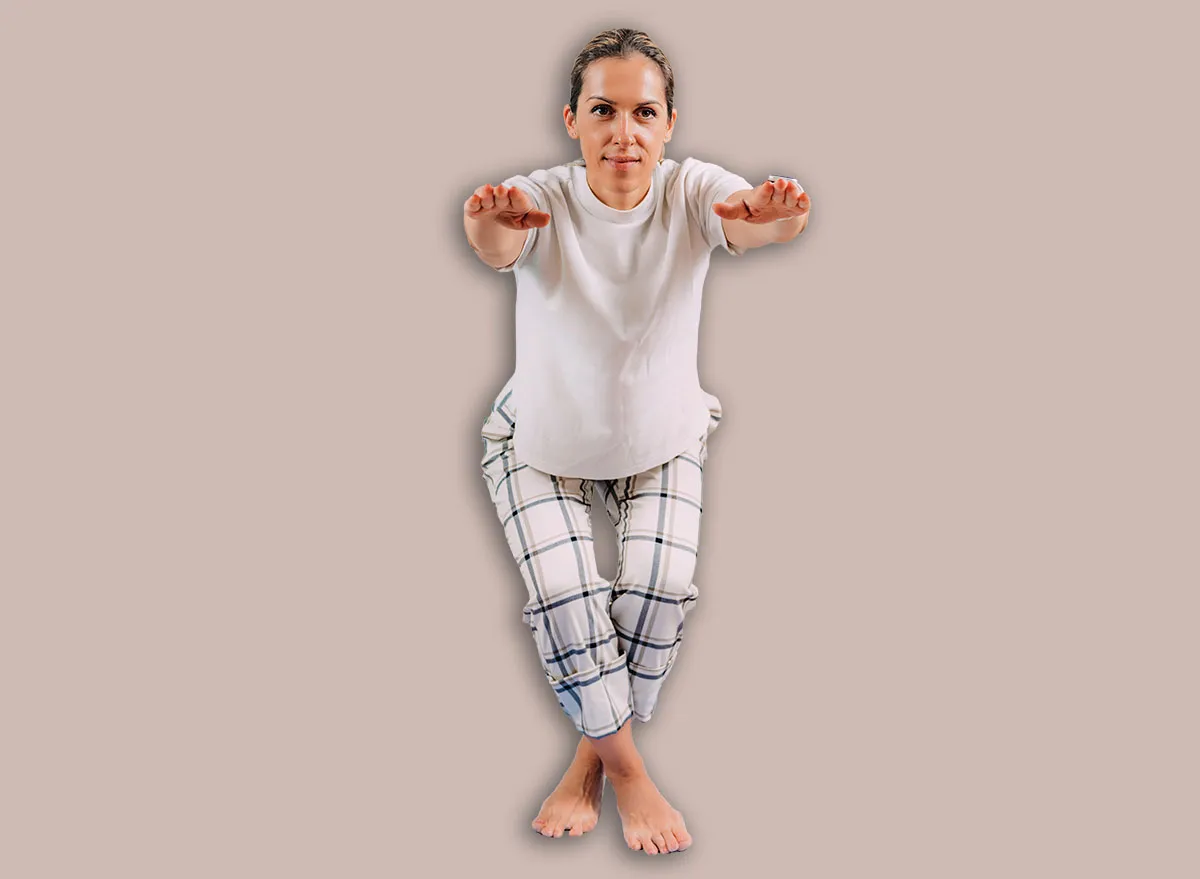
The assessment of physical youthfulness is centered on four distinct, reproducible drills. The Brazilian Sit-Rise Test requires an individual to lower to the floor and return to a standing position with minimal external support. A score of 8 or higher out of 10 suggests a level of mobility and strength typically associated with individuals significantly younger, according to data provided by Siwicki.
Proprioception—the body’s ability to sense its position in space—is tested through single-leg balancing with eyes closed. By removing visual input, the vestibular system and the smaller stabilizing muscles are forced to compensate. Maintaining this balance for 30 seconds indicates a nervous system that remains highly calibrated. For those struggling with these movements, proactive intervention can help address underlying muscular imbalances or joint restrictions before they become chronic.
Strength and Stability Under Load
Upper-body strength is evaluated through full-range pushups and the dead hang. Unlike modified variations, the full pushup serves as a diagnostic tool for core stability and pectoral strength. Siwicki specifies that women should aim for five repetitions, while men should target ten to remain within a youthful functional baseline.
Similarly, the dead hang from a pull-up bar for 30 seconds tests scapular stability and grip strength. This simple, gravity-based test provides a window into shoulder integrity. When these tests prove difficult, it is often indicative of progressive sarcopenia or postural degradation. Seeking guidance is recommended for those looking to safely incorporate these movements into a structured routine.
Integrating Functional Diagnostics into Long-Term Care
The clinical importance of these tests extends beyond simple fitness; they are essential for identifying the threshold where professional intervention may be required to prevent future disability. As the population continues to age, the integration of these simple, low-cost diagnostic markers into routine check-ups allows for earlier detection of functional decline.

For patients who find these movements challenging, it is vital to approach training with clinical precision to avoid injury. Consult with a healthcare provider or a clinic specializing in functional longevity to ensure that your exercise regimen is aligned with your specific musculoskeletal needs and medical history. Addressing these indicators today is a proactive step toward preserving autonomy and reducing the long-term reliance on external assistance.
Disclaimer: The information provided in this article is for educational and scientific communication purposes only and does not constitute medical advice. Always consult with a qualified healthcare provider regarding any medical condition, diagnosis, or treatment plan.