
Pirate Booty Identified in Madagascar Shipwreck
Researchers believe a wreck off Île Sainte-Marie is the Nossa Senhora do Cabo, a ship seized by pirates in 1721.
Sixteen years of investigation have seemingly paid off: Researchers say they’ve pinpointed the remains of a ship captured by pirates during a notorious raid. The wreck lies submerged off the coast of Madagascar, a former pirate haven.
Clues from the Deep
American archaeologists from the Center for Historic Shipwreck Preservation have been studying the site for over a decade. They now believe it’s the Nossa Senhora do Cabo, a Portuguese vessel laden with cargo from India.
That ship, researchers contend, fell victim to pirates, including the infamous **Olivier “The Buzzard”
Levasseur**.
A Pirate Hideout
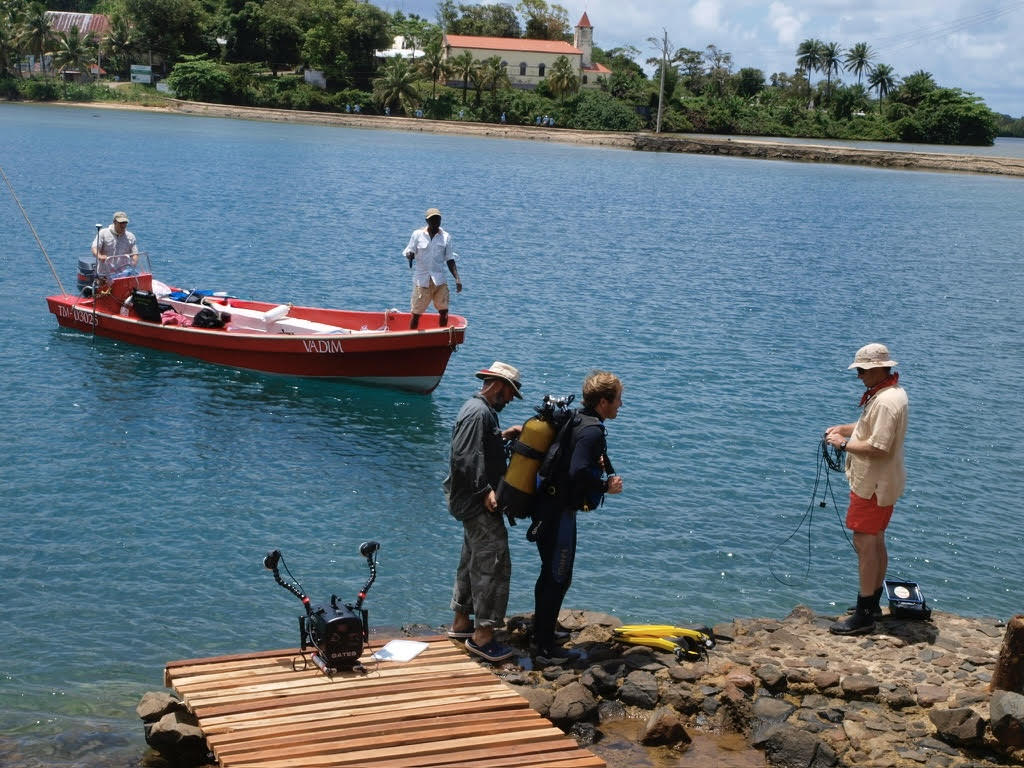
The wreck rests in a harbor on Nosy Boraha, off Madagascar’s northeast coast. This island, once known as Île Sainte-Marie, was a popular haunt during the Golden Age of Piracy in the early 18th century.
Details from the investigation appear in the latest issue of Wreckwatch magazine.
Multiple lines of evidence support the identification, according to the center’s co-founder and director **Brandon Clifford**. These include structural analysis of the wreck, historical records, and recovered artifacts.
“Supported by multiple lines of evidence.”—Brandon Clifford, Co-founder and Director, Center for Historic Shipwreck Preservation
Among the finds are religious figurines, wooden objects, ivory carvings, and a plaque inscribed with “INRI.”
The latter, according to Christian texts, was placed above **Jesus** during his crucifixion, standing for “Jesus of Nazareth, King of the Jews”
in Latin.
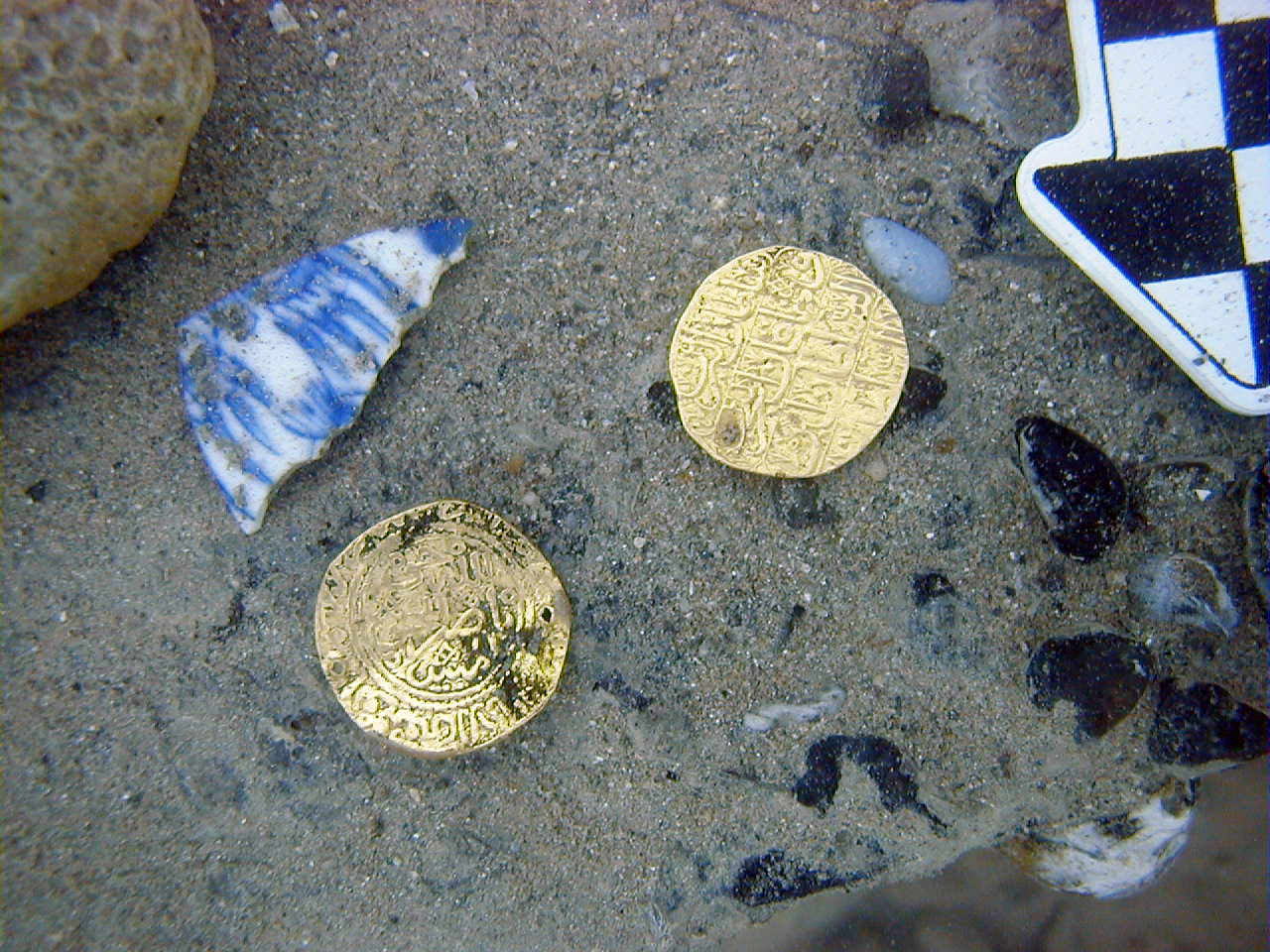
Researchers believe these items originated in Goa, then a Portuguese colony in India, destined for Lisbon.
The Fateful Voyage
Historical accounts indicate Nossa Senhora do Cabo departed Goa in early 1721, headed for Lisbon, carrying both the outgoing Portuguese viceroy and the Archbishop of Goa.
However, near La Réunion, the vessel was attacked on April 8, 1721. A fleet of pirate ships seized it.
The ship carried gold ingots and chests of pearls, according to researcher **Denis Piat** in his book, “Pirates & Privateers in Mauritius“.
Already weakened by storm damage and having jettisoned cannons, the Portuguese ship mounted little resistance, according to **Clifford** and **Mark Agostini**, an archaeologist at Brown University.
The viceroy was later ransomed. The fate of the archbishop and the roughly 200 enslaved people from Mozambique remains unknown.
According to **Clifford** and **Agostini**, the captured treasure was immense, potentially worth over $138 million today. The average pirate ship, in comparison, only carried loot worth approximately $75,000 in today’s currency (History.com).
A Pirate’s Paradise
Île Sainte-Marie offered pirates sheltered anchorages, proximity to shipping lanes, and a lack of colonial control.
**Clifford** noted that several shipwrecks occurred near the island during piracy’s golden age. “At least four pirate shipwrecks or their prizes lie in the harbor itself,”
he stated.
**Agostini** said over 3,300 artifacts have been recovered from the Nossa Senhora do Cabo wreck, with more discoveries hindered by silt and sand.
He added that the scientific potential of Île Sainte-Marie has been previously neglected. “Ideally, future fieldwork will lead to more analysis of the many wrecks there,”
**Agostini** concluded.
